
Exterior Trim Repair in Seattle
Restoring the critical seals that protect your home's envelope.
Professional repair and replacement of fascia boards, soffits, window casings, and door trim. We eliminate the moisture source, remove all rot, and rebuild with durable materials designed for the Pacific Northwest.

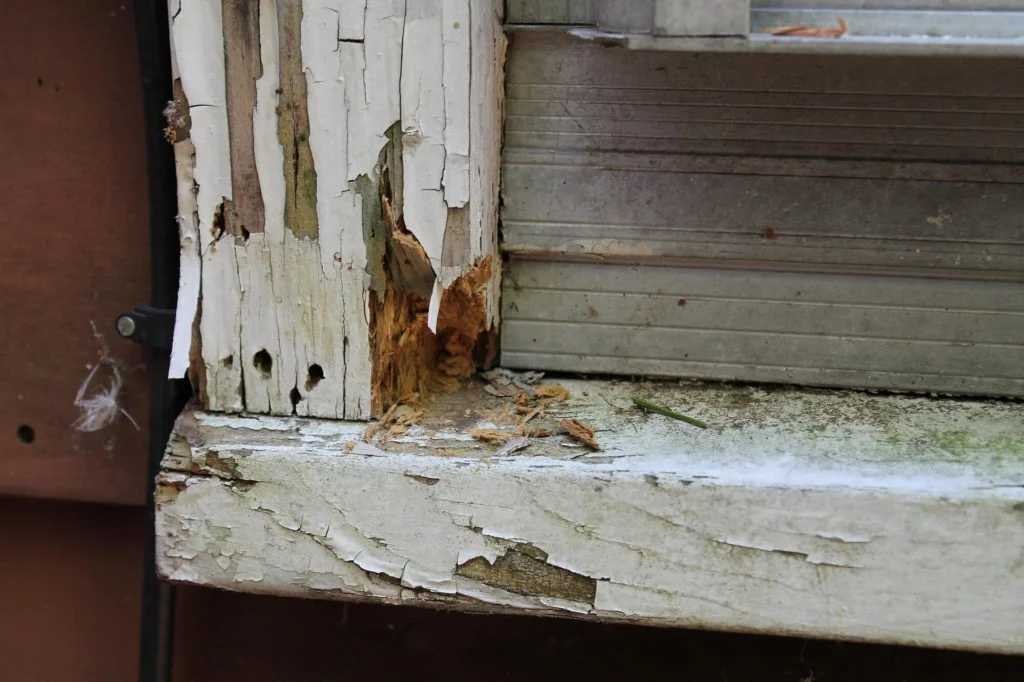
Your home's exterior trim is more than decorative detail. It frames your windows and doors, lines your roof, and defines your home's architectural character. Here in the Pacific Northwest, where our homes are constantly tested by moisture, that trim is especially vulnerable. Rot, water damage, and pest infestations in your trim are not just cosmetic issues, they are gateways to serious structural problems.
Exterior trim refers to the boards and molding used to seal the gaps where different materials meet on your home. This includes fascia boards along your roofline, soffits on the underside of your roof overhang, window and door casings, corner boards, and rake boards. The primary job of these pieces is to seal your home's envelope and block rain, wind, and pests from getting into vulnerable seams.
When this seal is broken, your home becomes susceptible to the elements. Water infiltration can travel behind the trim and into your sheathing and framing, causing extensive damage that is hidden from view until it becomes a major structural issue.
What we fix, and why it fails here
Puget Sound rain loading finds the same weak points over and over. These are the failures we are called out for most often.
-
Wood Rot and Soft Spots
This is the primary enemy of wood trim in our damp climate. Rotting wood has lost all its structural integrity and can no longer hold paint or keep water out. If you can press on the trim with a screwdriver or your finger and it feels soft, spongy, or crumbles easily, you have rot that needs immediate attention.
-
Peeling, Cracking, or Bubbling Paint
Your trim's paint is its first layer of defense. When paint is flaking away, showing long vertical cracks, or bubbling up from the surface, it is a clear sign that moisture has gotten underneath. The wood beneath is likely saturated with water, creating perfect conditions for rot to begin.
-
Gaps and Separation at Joints
As wood expands and contracts with temperature and moisture changes, joints can fail. Visible gaps where two pieces of trim meet, or where the trim meets the siding or roof, are direct entry points for water. Water can travel behind the trim and into your home's sheathing and framing.
-
Visible Water Stains or Mold Growth
Dark, discolored streaks on the trim or the siding directly below it, along with dark green or black spots of mold or mildew, are proof that water is consistently present where it should not be. This could be from a clogged gutter overflowing or a failed seal around a window.
-
Damaged or Failing Fascia Boards
Fascia boards run along the lower edge of your roofline and support your gutters. When they rot, they can no longer hold the gutter securely, and water begins pouring directly against your foundation. Damaged fascia is one of the most common and costly trim failures we see.
-
Soffit Ventilation Blockage or Decay
Soffits provide crucial attic ventilation. When they rot or become blocked, airflow stops, leading to heat buildup in summer and ice dams in winter. Proper soffit function is essential to the health of your entire roof system. We inspect and repair soffit ventilation as part of every trim repair.
How the work actually goes
-
Thorough Inspection and Moisture Source Identification
We assess the full extent of the damage and investigate the source of the moisture to ensure the problem does not immediately return. We do not just look at the obvious rot; we trace it back to the root cause, whether it is a failed seal, clogged gutter, or improper flashing.
-
Complete Removal of Damaged Material
All rotten or compromised wood is surgically removed. We cut back to clean, solid wood to ensure we have a sound structure to build upon. This is a critical step that less experienced contractors often skip. If the rot has extended into the underlying sheathing or framing, we assess and repair that damage as well.
-
Material Selection and Replacement
We replace the removed sections with high-quality, durable materials designed for the Pacific Northwest. We often recommend upgrading from standard pine to more robust options like cedar or modern composite materials. We work with you to choose the best material for your needs and long-term goals.
-
Sealing, Finishing, and Final Protection
The new trim is expertly installed, caulked with high-grade elastomeric sealants, and primed for painting. We ensure every seam and nail hole is perfectly sealed against the weather. We finish the job with a high-quality exterior paint, providing the final layer of protection and a seamless look.
The three materials we build with
Everything we install is one of these three. Each behaves differently in a climate that keeps wood damp for weeks at a time — compare them before you decide.
-
James Hardie Fiber Cement
A composite of cement, sand, and cellulose fibers engineered to resist rot, pests, and fire. The gold standard for durability in wet Pacific Northwest climates.
50+ years with proper installation.
-
Western Red Cedar
The classic choice for Pacific Northwest homes. Cedar contains natural oils that resist rot and insects, delivering authentic warmth and elegance that synthetic materials cannot replicate.
20-40 years with diligent maintenance.
-
LP SmartSide Engineered Wood
Wood strands and resins treated with zinc borate for superior rot and pest resistance. Combines the authentic beauty of wood with modern durability and lower maintenance than cedar.
30-50 years with proper installation and maintenance.
Weighing them side by side? The full breakdown, including where vinyl fits and where it does not, is on the siding materials guide.
What it costs, and how we quote it
Trim repair costs depend on the extent of the rot, the type of trim being replaced, and the material you choose for the replacement. Small fascia repairs can be straightforward, while extensive soffit and corner board replacement involving structural substrate work will naturally cost more. We provide clear, fixed-price quotes after our free inspection.
$200 off any siding or trim repair over $2,500
Mention this page when you call or request your estimate.
Not sure how far the damage goes?
That is the normal starting point. Tell us what you can see from the ground and we will tell you what usually sits behind it on a house like yours.
Mon–Fri, 7:00am – 5:00pm
Exterior Trim Repair across the Puget Sound area
Seattle Trim Repair works out of Ballard and covers King County, Snohomish County, and Pierce County. Every city below has its own housing stock and its own way of getting wet.
-
Exterior Trim Repair in Seattle
Restoring the critical seals that protect your home's envelope.
See the details -
Exterior Trim Repair in Bellevue
Restoring the critical seals that protect your home's envelope.
See the details -
Exterior Trim Repair in Kirkland
Restoring the critical seals that protect your home's envelope.
See the details -
Exterior Trim Repair in Redmond
Restoring the critical seals that protect your home's envelope.
See the details -
Exterior Trim Repair in Bothell
Restoring the critical seals that protect your home's envelope.
See the details -
Exterior Trim Repair in Tacoma
Restoring the critical seals that protect your home's envelope.
See the details
Exterior Trim Repair questions we get asked
How do I know if my exterior trim needs repair or replacement?
What is the difference between fascia and soffit, and why do they matter?
Can you repair just the rotted section, or do I need to replace the entire board?
What trim materials do you recommend for Seattle's climate?
How do you match the new trim to the existing trim on my home?
Will you check for dry rot or structural damage behind the trim?
Read before you decide
Other work we do
Get a straight answer on your trim repair
Free estimate, no obligation, and an honest call on whether this is a repair or something bigger. $200 off any siding or trim repair over $2,500 — mention this page when you call or request your estimate.
Mon–Fri, 7:00am – 5:00pm · Free estimates · Same-week scheduling