
Dry Rot Repair in Seattle
Eradicating the fungal threat that destroys your home's structure.
Complete dry rot remediation using a scientific, multi-step process. We stop the moisture source, remove all infected material plus a buffer zone, sterilize with EPA-approved fungicide, and rebuild with rot-resistant materials.

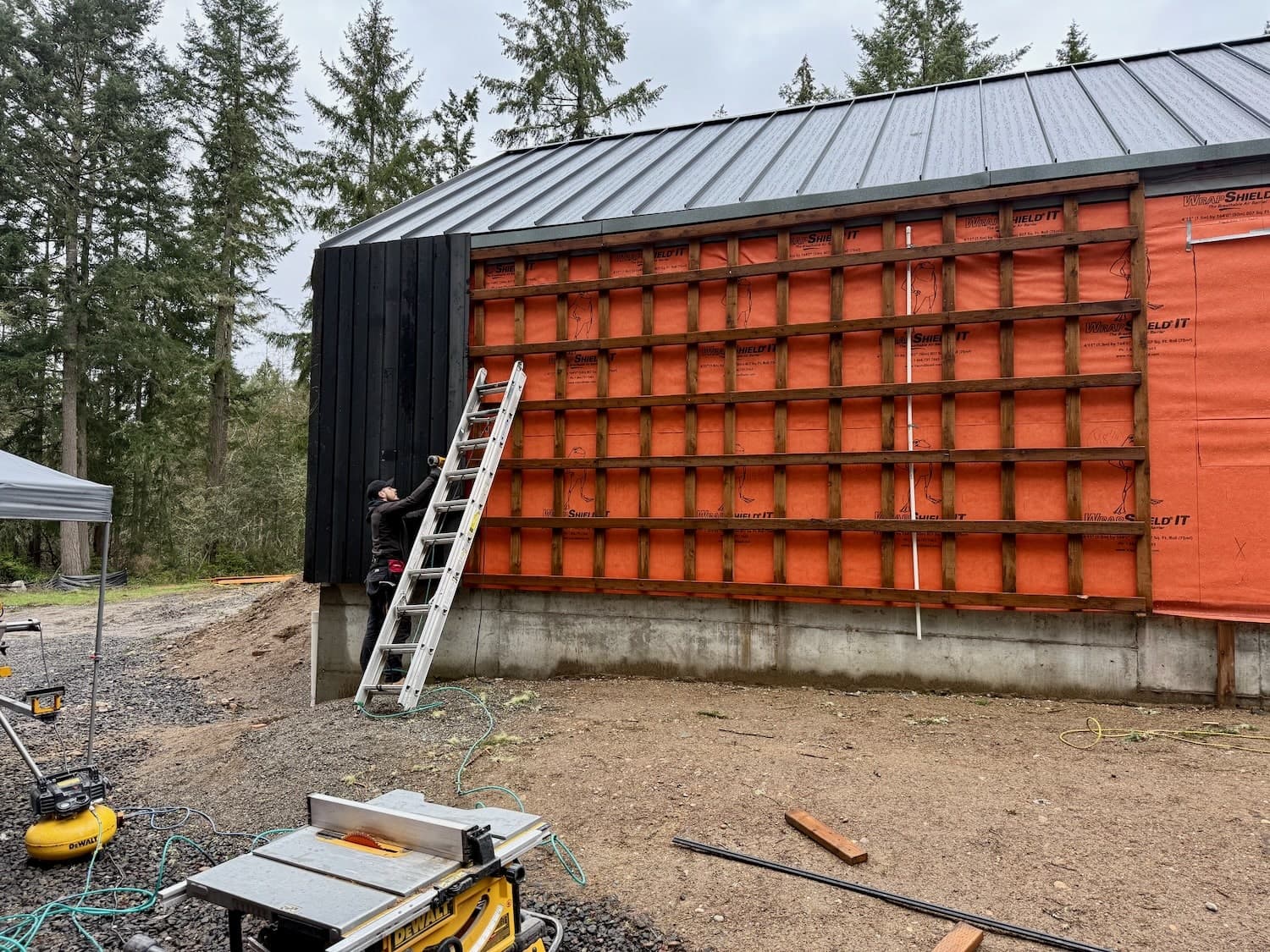
In the lush, damp environment of the Pacific Northwest, a silent and destructive force threatens our homes: dry rot. Caused by a wood-destroying fungus, dry rot is not merely a cosmetic issue. It is a structural disease that can digest the very framework of your house, turning strong timber into a dry, crumbly mess.
The fungus responsible for dry rot is Serpula lacrymans. Despite its name, dry rot requires significant moisture to begin its life cycle. It is called dry rot because of the dry, brittle, and cracked state it leaves the wood in after it has consumed the cellulose and hemicellulose, the components that give wood its strength. The fungus can spread aggressively across wood, brick, plaster, and soil in search of more timber to consume.
Dry rot is not a wait-and-see problem. The fungus can grow and spread with alarming speed, digesting wood and weakening your home's structure daily. A small, contained issue in a window frame can spread into the wall studs and floor joists within months. The difference in cost between addressing dry rot early versus waiting can be tens of thousands of dollars.
What we fix, and why it fails here
Puget Sound rain loading finds the same weak points over and over. These are the failures we are called out for most often.
-
Cubical Cracking in Wood
One of the most distinctive signs of dry rot is deep cracking that forms a square or cubical pattern on wood surfaces like trim, floor joists, or posts. This cracking occurs as the fungus consumes the wood's cellulose, causing the timber to shrink and fracture. If you see this pattern, the fungus is already well established.
-
Spongy or Bouncing Floors
If your floor feels spongy underfoot or has a noticeable bounce when you walk across it, it can indicate that the floor joists or subfloor beneath have been compromised by dry rot. This is a serious structural concern that requires immediate attention to prevent collapse or further damage.
-
Damp, Musty Mushroom Odor
Dry rot produces a unique, earthy smell like mushrooms or a damp forest floor. This odor is often present even before you can see visible signs of the fungus. If you notice this smell in your crawl space, attic, or near an exterior wall, it is time for a professional inspection.
-
Visible White or Grey Mycelium Growth
The appearance of white, cotton-like or grey, web-like growth on wood is a classic sign of active dry rot. This is the mycelium, the main body of the fungus. In advanced stages, you may see a fleshy, pancake-like fruiting body with an orange or ochre surface, which releases millions of spores into the air.
-
Brittle, Crumbly Wood
Use a screwdriver to gently probe any suspect timber. If it sinks in easily or the wood crumbles into dry, brittle pieces with minimal pressure, you have a serious decay problem. Dry rot destroys wood's structural integrity, leaving it unable to support loads or keep water out.
-
Spread Beyond the Moisture Source
Unlike wet rot, which stays localized to the damp area, dry rot is highly aggressive and can travel through non-wood materials like brick and plaster to find new food sources. This means the fungus can be present far from the original moisture source, making it a whole-house threat if not eradicated completely.
How the work actually goes
-
Stop the Water Source
First and foremost, we identify and eliminate the source of moisture that allowed the fungus to grow. This could be a leaky pipe, a damaged roof, poor ventilation, or failed flashing. Without stopping the water, any repair is temporary and the fungus will return.
-
Isolate and Remove All Infected Material
We establish containment barriers to prevent microscopic spores from spreading to unaffected areas during removal. We remove all visibly decayed wood, plus a buffer zone of what appears to be sound wood, often extending 3 feet in every direction. This ensures we eliminate every trace of the fungus's hyphae threads.
-
Sterilize with Professional-Grade Fungicide
All remaining timber, as well as any adjacent masonry or brickwork, is thoroughly treated with an EPA-approved biocide. This kills any lingering spores and prevents them from germinating. This step is critical to ensuring the fungus is gone for good.
-
Rebuild with Treated, Rot-Resistant Materials
We replace all the removed timber with pressure-treated wood or other rot-resistant materials. This creates an inhospitable environment for any future fungal growth. We also ensure any underlying ventilation issues are resolved, and then restore the area to its original condition, leaving your home structurally sound and safe.
The three materials we build with
Everything we install is one of these three. Each behaves differently in a climate that keeps wood damp for weeks at a time — compare them before you decide.
-
James Hardie Fiber Cement
A composite of cement, sand, and cellulose fibers engineered to resist rot, pests, and fire. The gold standard for durability in wet Pacific Northwest climates.
50+ years with proper installation.
-
Western Red Cedar
The classic choice for Pacific Northwest homes. Cedar contains natural oils that resist rot and insects, delivering authentic warmth and elegance that synthetic materials cannot replicate.
20-40 years with diligent maintenance.
-
LP SmartSide Engineered Wood
Wood strands and resins treated with zinc borate for superior rot and pest resistance. Combines the authentic beauty of wood with modern durability and lower maintenance than cedar.
30-50 years with proper installation and maintenance.
Weighing them side by side? The full breakdown, including where vinyl fits and where it does not, is on the siding materials guide.
What it costs, and how we quote it
Dry rot remediation costs depend on the extent of the infestation, the accessibility of the affected area, and the amount of structural repair required. A small, contained issue in a window sill will cost significantly less than a major remediation involving floor joists or wall framing. We provide transparent, fixed-price quotes after our thorough inspection.
$200 off any siding or trim repair over $2,500
Mention this page when you call or request your estimate.
Not sure how far the damage goes?
That is the normal starting point. Tell us what you can see from the ground and we will tell you what usually sits behind it on a house like yours.
Mon–Fri, 7:00am – 5:00pm
Dry Rot Repair across the Puget Sound area
Seattle Trim Repair works out of Ballard and covers King County, Snohomish County, and Pierce County. Every city below has its own housing stock and its own way of getting wet.
-
Dry Rot Repair in Seattle
Eradicating the fungal threat that destroys your home's structure.
See the details -
Dry Rot Repair in Bellevue
Eradicating the fungal threat that destroys your home's structure.
See the details -
Dry Rot Repair in Kirkland
Eradicating the fungal threat that destroys your home's structure.
See the details -
Dry Rot Repair in Redmond
Eradicating the fungal threat that destroys your home's structure.
See the details -
Dry Rot Repair in Bothell
Eradicating the fungal threat that destroys your home's structure.
See the details -
Dry Rot Repair in Tacoma
Eradicating the fungal threat that destroys your home's structure.
See the details
Dry Rot Repair questions we get asked
What is the difference between dry rot and wet rot?
Can I just replace the visibly rotten wood and be done?
How do I know if I have dry rot in my home?
How fast does dry rot spread?
Is dry rot dangerous to my health?
How much does dry rot repair typically cost?
Read before you decide
Other work we do
Get a straight answer on your dry rot
Free estimate, no obligation, and an honest call on whether this is a repair or something bigger. $200 off any siding or trim repair over $2,500 — mention this page when you call or request your estimate.
Mon–Fri, 7:00am – 5:00pm · Free estimates · Same-week scheduling