
5 Signs Your Exterior Trim Needs Replacement
Learn the key warning signs that your home's exterior trim needs replacement to prevent costly structural damage and maintain curb appeal.
By Seattle Trim Repair · Published · Updated
When your home’s exterior trim starts showing signs of wear, it can lead to bigger issues like water damage, pest infestations, and structural problems. Trim acts as a protective barrier around windows, doors, and corners, and when it fails, your home becomes vulnerable. Replacing damaged trim early can save money and protect your home from escalating damage.
Exterior trim failure is not always obvious at first glance. You might notice peeling paint or a slight gap, but underneath, moisture may already be compromising the wood. In Seattle, where homes face 37 inches of annual rainfall and persistent damp conditions, trim deterioration accelerates faster than in drier climates. Here are five warning signs that your exterior trim needs replacement, not just a fresh coat of paint.
Wood Rot and Decay
Wood rot is a major concern when it comes to preserving the integrity of your exterior trim. It occurs when moisture sneaks into the wood, often through peeling paint, cracked caulking, or improper installation, and creates the perfect environment for fungal decay. Constant rain can seep into wooden trim, causing rot: soft, crumbling spots that weaken your home’s defenses.
Moisture is the primary culprit behind wood rot and decay in exterior trim. In damp or humid climates like Seattle, the problem worsens, especially if the trim’s protective seal is compromised. When water penetrates unsealed or damaged areas, wood soaks it up like a sponge. If these wet spots are not dried out within 48 hours, rot can set in and spread quickly.
Signs of moisture damage include soft or spongy spots that yield under light pressure. Try using a screwdriver to test the wood. If it sinks in easily, you have rot. Other signs include dark streaks, discoloration, peeling paint, and even fuzzy patches or musty odors, which suggest mold growth.
If left untreated, wood rot can weaken not only the trim but also the surrounding structural components of your home. As the decay progresses, the wood loses its strength, leading to sagging, warping, or even outright collapse of trim elements. Worse, the rot can spread to critical areas like framing, window sills, and door jambs, turning what might have been a minor repair into a costly structural overhaul. Damaged trim also fails to act as a moisture barrier, leaving your home vulnerable to further issues.
Rotting trim does not just harm your home’s structure. It also takes a toll on its appearance. Discolored, crumbling, or misshapen trim detracts from the clean, polished look of a well-maintained exterior. Warped or bowed trim not only looks unattractive but also signals deeper moisture problems and functional damage. This can hurt your home’s curb appeal and even lower its market value.
Rotted trim does more than weaken your home. It invites pests to move in. Damaged wood creates easy entry points for termites, carpenter ants, and other insects. These pests are drawn to the soft, decayed wood and can quickly establish colonies, spreading the infestation to other parts of your home. If left unchecked, pest problems can compound the damage and lead to even higher repair bills.
Cracked and Peeling Paint
Cracked and peeling paint on exterior trim is more than just an eyesore. It is a sign that your home’s protective barrier has failed. When paint starts to crack or peel, it exposes the underlying material to moisture, UV rays, and other elements, which can lead to much bigger problems down the line.
One of the biggest threats posed by peeling paint is moisture. When water seeps into the exposed wood, it causes swelling, which in turn leads to even more peeling. This creates a vicious cycle where the wood becomes increasingly vulnerable. In regions like the Pacific Northwest, where rain is frequent, even tiny cracks in the paint can allow water to penetrate deeply, creating the perfect conditions for rot and mold to thrive.
You might notice dark streaks, discoloration, or a spongy texture when pressing on the trim. These are clear signs of moisture damage. What might start as a minor issue requiring just a fresh coat of paint can quickly escalate into the need for full trim replacement if the wood remains exposed to water. Beyond aesthetics, this kind of damage compromises the strength and durability of the trim.
Peeling paint does not just affect the surface. Once the wood is exposed, it becomes susceptible to structural damage. Water can cause the trim to soften, rot, or even crumble over time. In severe cases, this deterioration can spread to the framing or siding underneath, turning what might have been a small repair into a much larger and more expensive project. As the trim weakens, you might notice sagging, warping, or outright failure, leaving your home even more vulnerable.
Even minor paint peeling can make your home look neglected, which can hurt its curb appeal and potentially lower its market value. On the flip side, well-maintained paint not only enhances the appearance of your home but also signals to others that the property is cared for and in good condition.
Exposed wood is not just a problem for moisture. It is also an open invitation for pests. Softened, unprotected wood is particularly attractive to termites, carpenter ants, and other insects, which can worsen the damage and even lead to infestations that go beyond the initial area of concern.
Experts note that exterior paint on wood trim typically lasts five to seven years under normal conditions. However, in wet climates or when maintenance is neglected, paint failure can happen much sooner. If you find yourself constantly repainting the same areas, it might be time to consider whether the underlying material has been compromised. In such cases, replacing the trim instead of simply repainting could save you time and money in the long run.
Bug and Insect Damage
Termites and carpenter ants are serious threats to exterior trim. These pests create holes that weaken the wood, compromising both the trim’s strength and its appearance. Just like rot or peeling paint, insect damage can gradually erode the functionality and charm of your home’s exterior.
Termites and carpenter ants are infamous for their ability to wreak havoc on exterior wood trim. They burrow into the wood, hollowing it out from the inside. This hidden destruction reduces the wood’s strength and stability over time. Severe infestations leave behind small holes and piles of sawdust, clear indicators of active pest activity. These signs mean the trim is no longer structurally sound and cannot effectively block moisture.
Insect damage often goes hand in hand with moisture problems. Damp wood, especially when it begins to rot, becomes a magnet for pests, making it easier for them to settle and spread. This is particularly common in regions like the Pacific Northwest, where frequent rain and high humidity create the perfect environment for both moisture-related and pest-induced damage.
Pest damage does not just weaken your home’s structure. It also takes a toll on its appearance. Holes, uneven surfaces, and discoloration can make your home’s exterior look neglected, reducing its curb appeal. These visible flaws can also impact energy efficiency, as damaged trim may no longer provide proper insulation.
Once pests invade the trim, the problem can quickly spread to nearby siding and even interior walls. Gaps, cracks, and holes in the wood become entry points for further infestations, allowing damage to escalate. Early detection and addressing the issue promptly are critical to preventing widespread problems.
Warped and Buckled Trim
Beyond signs of rot, peeling, and insect damage, warped or buckled trim marks another phase of exterior wear and tear. When trim appears wavy, bowed, or starts pulling away from the wall, it signals a critical failure in its protective role. This deformation happens when wood absorbs moisture unevenly, causing it to expand and contract repeatedly until its shape is permanently altered.
Moisture is the main culprit behind warped and buckled trim. Uneven absorption causes the wood to swell irregularly. In areas with frequent rain like the Pacific Northwest, this problem is especially common. Constant cycles of wetting and drying gradually weaken the wood fibers, making it harder for the trim to hold its original form.
An early warning sign of this issue is failing caulk, which allows moisture to seep in unevenly. Once water gets behind the trim, it accelerates the damage. Over time, this leads to structural weakening.
Warped or buckled trim does not just look bad. It compromises your home’s exterior defenses. Gaps and weak spots created by the warping allow water to infiltrate deeper into the structure, potentially causing rot, mold, and even serious damage to the framing underneath. If left unchecked, the trim can detach completely, exposing vulnerable areas and escalating the risk of significant deterioration.
These gaps also reduce energy efficiency, letting drafts in and making it harder to maintain a comfortable indoor temperature. Beyond that, they create an entryway for pests, further compounding the problem.
Visibly warped or buckled trim can give your home a neglected appearance. Wavy or misaligned trim lines disrupt the clean, polished look of a well-maintained exterior. These flaws are often visible even from a distance, diminishing curb appeal and potentially lowering property value.
Over time, the cosmetic damage worsens. Paint tends to crack or peel along warped areas, leaving an uneven and unprofessional finish. When trim separates from siding or window frames, the gaps become even more noticeable, further detracting from your home’s overall appearance.
Warped or buckled trim does not just invite water damage. It also opens the door for pests. Gaps created by the warping provide easy access for termites, carpenter ants, and other wood-destroying insects. Once inside, these pests can cause serious harm to the wood and the structure beneath it.
Gaps and Loose Trim Pieces
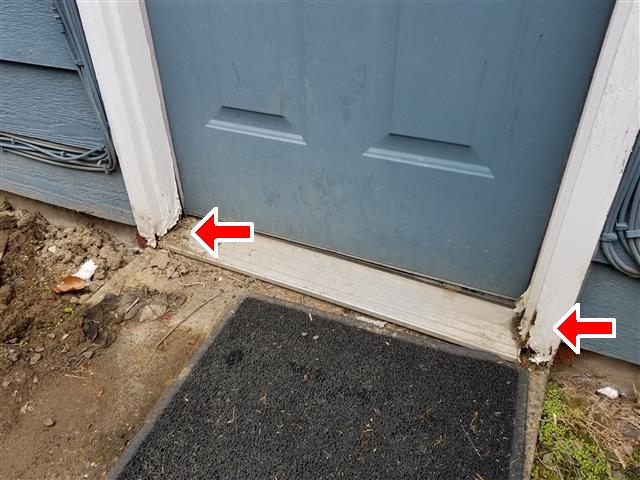
One clear sign that your exterior trim may need replacing is the presence of visible gaps or separated trim pieces. When trim begins to pull apart or shifts when touched, it compromises your home’s protective seal, leaving it vulnerable to water damage and pest invasions. Unlike the gradual decline caused by rot or warping, these gaps signal a serious issue that needs immediate attention.
Gaps and separated trim pieces create direct entry points for water, making them a fast track for moisture to infiltrate your home. Even small openings can allow water to seep in, leading to rapid dry rot. This is particularly concerning in Seattle, where 155 rainy days a year mean frequent exposure to moisture during storms.
What makes this problem worse is that much of the damage happens out of sight, behind the trim. By the time it becomes noticeable, the deterioration could already be extensive. Early detection and repair are critical to stopping further damage before it spreads.
When trim separates, it fails to protect the underlying structure, leaving it exposed to water intrusion. Over time, this can rot the framing, insulation, and other load-bearing components, weakening your home’s overall structure. If left unchecked, these issues can lead to repairs that are two to three times more expensive than addressing the problem early on.
Water damage from these gaps does not just stop at the trim. It can reach deep into the framing and sheathing, creating hidden problems that may require extensive and costly repairs.
Beyond the structural risks, gaps and separated trim pieces give your home an unfinished, poorly maintained look. These visible imperfections disrupt the clean, polished appearance of your exterior, making even a newer home seem neglected. From a property value perspective, this is a red flag. Buyers and appraisers often view such issues as signs of deferred maintenance, which can lower your home’s curb appeal and market value.
The physical gaps caused by separated trim are also an open invitation for pests. Termites, carpenter ants, and other wood-destroying insects can easily enter through these openings, quickly establishing colonies and causing significant structural damage.
Spotting the five warning signs—wood rot and decay, cracked and peeling paint, bug and insect damage, warped and buckled trim, and gaps or loose trim pieces—can help you avoid costly structural repairs. Trim replacement typically costs between $2.50 and $8.00 per linear foot, but postponing necessary fixes can lead to much higher expenses as damage spreads to framing or interior structures. Acting early not only saves money but also helps maintain your home’s value.
Ignoring trim issues can hike up your energy bills. Damaged trim allows energy loss, forcing your HVAC system to work harder and raising utility costs. Annual inspections are key to catching problems early. Look for soft spots when pressing on the trim, peeling paint that keeps coming back, or signs of insect activity near wooden surfaces. If your trim needs repainting more often than every five to seven years, it might signal moisture or rot issues that need professional attention.
For homeowners in the Seattle area, professional evaluations are especially important. Addressing issues quickly can save you from much more expensive structural repairs down the road. With repair costs in Seattle typically ranging from $321 to $1,199, addressing issues quickly can save you from much more expensive structural repairs down the road.
If you need expert exterior trim repair in Seattle, visit /exterior-trim-repair/ or call (425) 517-1751.
Not sure how bad yours is?
Send a photo or describe the spot over the phone. We will tell you whether it is a patch, a section, or something structural before anyone comes out.
Mon–Fri, 7:00am – 5:00pm
Questions homeowners ask us about this
How can I tell if wood rot on my exterior trim is bad enough to need replacement?
How do I protect my home's exterior trim from moisture damage?
How do I know if pests are damaging my exterior trim?
What does it cost to replace exterior trim in Seattle?
Read next
- Dry Rot
5 Signs Your Seattle Home Has Dry Rot Damage
Learn to identify the top signs of dry rot in your Seattle home to prevent costly repairs and maintain structural integrity.
- Dry Rot
Dry Rot Prevention: 5 Ways to Stop Moisture Intrusion
Learn effective prevention strategies for dry rot caused by moisture intrusion. Professional inspections, maintenance schedules, and material choices.
- Trim Repair
Exterior Trim Repair Costs Seattle: 2026 Complete Guide
Seattle exterior trim repair costs $120-12,000 depending on scope. See material, labor, and climate factors driving King County pricing.
Get a straight answer on your siding, trim, or rot
Free estimate, no obligation, and usually a slot the same week. We cover Seattle, Bellevue, Redmond, Kirkland, Bothell, and Tacoma.
Mon–Fri, 7:00am – 5:00pm · Free estimates · Same-week scheduling