
How to Choose Rot-Resistant Trim for Seattle Homes
Compare fiber cement, cedar, PVC, and engineered trim for Seattle's wet climate. Make the right choice for long-term protection and lower maintenance.
By Seattle Trim Repair · Published · Updated
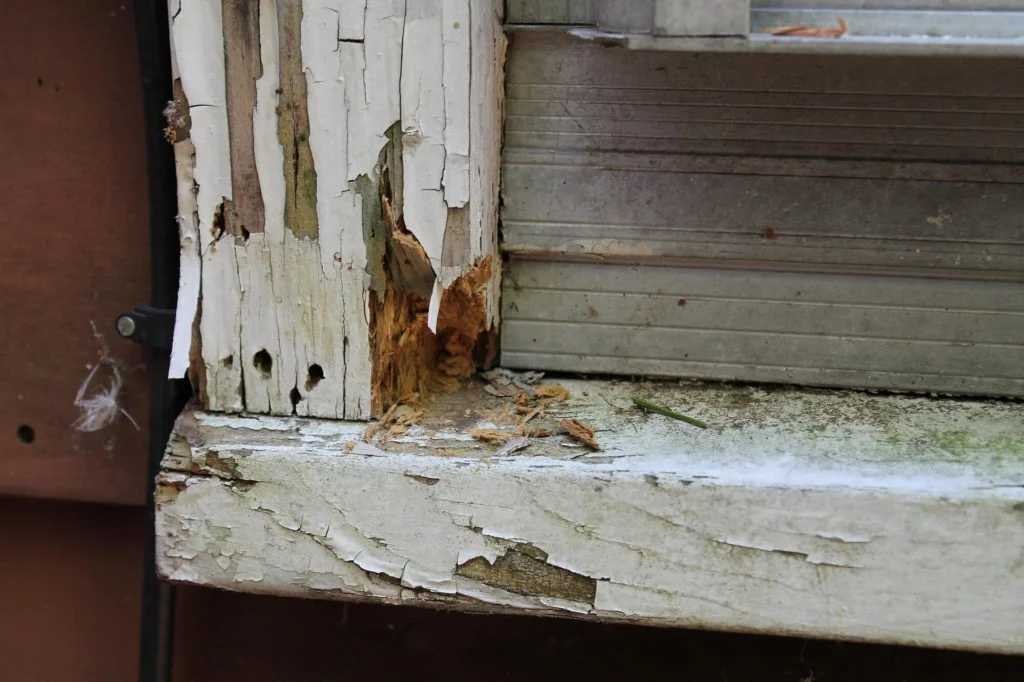
Choosing the right exterior trim material for a Seattle home is not a style-only decision. Seattle receives an average of 155 rainy days per year, and relative humidity stays above 60 percent through fall and winter. Those conditions create the perfect environment for wood rot, particularly at the joints, end grains, and horizontal surfaces where water collects and stays wet for days. The trim around your windows, doors, corners, and roofline is your home’s first line of defense against moisture intrusion into wall cavities and framing.
When trim fails in Seattle, it rarely fails alone. A rotted window casing lets water seep behind siding panels, saturating sheathing and studs. A deteriorated fascia board opens the attic to wind-driven rain. Replacing failed trim often reveals hidden damage that drives repair costs well above the original estimate. Selecting rot-resistant materials and pairing them with proper installation details is the most cost-effective way to protect your home long-term.
Understanding Rot-Resistant Trim Materials
Not all trim materials perform equally in the Pacific Northwest. Here are the options that hold up best when exposed to Seattle’s prolonged wet seasons.
Fiber Cement Trim
Fiber cement trim, commonly known as Hardie Trim, is a composite of cement, sand, and cellulose fibers. It resists warping, cracking, and rot even under constant moisture exposure. When paired with high-quality weather barriers and proper flashing, fiber cement offers excellent moisture protection and typically carries warranties of 15-30 years.
Fiber cement costs more upfront than traditional wood, typically running $3-10 per linear foot installed, but it eliminates recurring paint and replacement cycles. In Seattle’s climate, where freeze-thaw cycles and persistent rain accelerate wood decay, the higher initial investment often pays off within 10-15 years by avoiding repeat repairs.
The material takes paint well and holds finish longer than wood, reducing the frequency of repainting from every 5-7 years to every 10-15 years. It also resists insect damage and does not provide a food source for carpenter ants, a common problem in damp Pacific Northwest homes.
Western Red Cedar Trim
Western Red Cedar contains natural oils called thujaplicins that repel moisture and inhibit fungal growth. This makes it one of the most rot-resistant softwoods available, and it delivers the authentic wood appearance many homeowners prefer for historic or craftsman-style homes.
Cedar performs well in Seattle’s climate when maintained properly. It requires regular sealing or staining every 3-5 years to retain its protective properties, and exposed end grains must be sealed during installation to prevent moisture wicking. Expect to pay $4-10 per linear foot installed, with prices rising as old-growth supply becomes increasingly limited.
Cedar weathers to a silver-gray patina if left unsealed, which some homeowners prefer for a rustic look. However, unsealed cedar will still rot at joints and end grains where water pools. For long-term protection in Seattle, plan on maintaining a protective finish and inspecting joints annually.
PVC and Composite Trim
Synthetic trim materials like cellular PVC and polyurethane are completely rot-proof. They do not absorb water, will not support fungal growth, and require no painting or sealing beyond the factory finish. This makes them ideal for high-exposure areas like fascia boards, soffits, and window casings on north-facing walls.
PVC trim typically runs $2.50-8 per linear foot installed and is available in a range of profiles that mimic traditional wood trim. It expands and contracts more than wood or fiber cement, so installers must leave expansion gaps at joints and use specific fastening techniques to prevent buckling in hot weather. Dark paint colors are not recommended on PVC trim, as they can cause excessive heat buildup and warping.
Composite trim made from wood fibers and resins offers a middle ground between natural wood and pure synthetics. Brands like Azek and Trex provide rot resistance similar to PVC while offering better screw-holding strength and a more wood-like feel for cutting and installation. Expect to pay $4-12 per linear foot installed.
Pressure-Treated Wood Trim
Pressure-treated lumber is infused with preservatives that protect against rot and insects. When properly installed with waterproofing and sealed end grains, it performs reliably in damp climates. It is the most affordable rot-resistant option, typically costing $1.50-4 per linear foot installed.
However, pressure-treated wood requires finish coats and ongoing maintenance similar to cedar. The preservatives protect the wood but do not eliminate the need for paint or stain to prevent surface checking and moisture absorption. It is a practical choice for areas where appearance is less critical, such as foundation-level trim or behind landscaping.
Aluminum Trim
Aluminum trim is virtually maintenance-free and dimensionally stable in all weather conditions. It will not rot, warp, or attract insects, and it requires no painting or sealing. Aluminum is most commonly used for fascia and drip edge applications, where its rigidity and water-shedding properties are advantages.
Costs typically run $3.50-9 per linear foot installed. The primary drawback is appearance: aluminum does not replicate the texture or profile detail of wood trim, so it is less suitable for highly visible areas on traditional or historic homes. However, for functional applications where durability is the priority, aluminum is an excellent choice.
Factors to Consider When Choosing Trim
Seattle Climate and Exposure
Seattle’s climate is not just wet; it is persistently damp with limited drying periods. Humidity levels above 60 percent are common from October through May, and north-facing walls receive little direct sunlight to help wood dry between rain events. This means even naturally rot-resistant materials like cedar will fail prematurely if not properly detailed and maintained.
Wind-driven rain is another factor. Coastal winds push water into joints, under overlaps, and behind poorly flashed trim. Wood rot can begin in as little as 48-72 hours of continuous dampness at temperatures above 50 degrees Fahrenheit. Selecting materials that resist moisture absorption or dry quickly is critical.
Consider the specific exposure of each trim location. South and west walls receive more sun and dry faster, making them slightly more forgiving. North and east walls stay damp longer and are higher-risk zones for rot. Shaded areas under roof overhangs or behind tall trees also stay wet longer and may benefit from synthetic or fiber cement trim even if other areas can tolerate wood.
Matching Your Home’s Architectural Style
Trim should complement your home’s design while meeting durability requirements. Historic Seattle homes, particularly Craftsman, Tudor, and Colonial Revival styles built in the early 1900s, often feature thick, detailed wood trim profiles. For these homes, fiber cement is a practical choice because it can replicate traditional profiles while offering superior rot resistance.
Modern homes with clean lines and minimal ornamentation pair well with PVC or aluminum trim, which offer sleek, low-maintenance profiles. Composite trim provides versatility for both traditional and contemporary styles, as it can be shaped and detailed like wood while offering rot-proof performance.
If your home is in a historic district or subject to design review, check whether there are restrictions on synthetic materials. Some jurisdictions require natural materials or specific profiles to maintain architectural consistency. Fiber cement often satisfies these requirements while providing better longevity than wood.
Total Cost of Ownership
Upfront material cost is only part of the equation. Factor in the cost of maintenance, repainting, and eventual replacement when comparing options. A detailed cost analysis over 20 years often reveals that premium materials cost less than budget materials that require frequent attention.
For example, painted wood trim may cost $8-12 per linear foot installed and require repainting every 5-7 years at $3-5 per linear foot. Over 20 years, the total cost approaches $20-30 per linear foot. PVC trim may cost $12-15 per linear foot installed but require no maintenance, making it the lower lifetime cost despite the higher upfront price.
Labor costs for trim repair in Seattle typically range from $65-105 per hour, and most repair projects cost between $300-1,200 for moderate damage. Selecting durable materials reduces the frequency of these interventions, lowering long-term expense.
Installation Practices That Extend Trim Life
Material selection is only half the equation. Proper installation details are critical to preventing rot in Seattle’s climate.
Back-priming is the practice of priming all surfaces of trim boards before installation, including the back face that will sit against the wall. This seals the wood and prevents moisture from wicking in from behind. Back-priming is essential for wood and fiber cement trim and should never be skipped.
End-grain sealing involves applying two coats of primer to the cut ends of trim boards before installation. End grain is highly absorbent and acts like a straw, pulling water deep into the wood. Sealing it blocks this pathway and is one of the most effective rot-prevention measures.
Flashing directs water away from trim joints and prevents it from running behind the trim. Z-flashing above window and door casings, step flashing where trim meets rooflines, and kickout flashing at roof-wall intersections are all critical details. Flashing should be installed in a shingled pattern so each piece overlaps the one below it, directing water down and out.
Fasteners matter. Stainless steel or hot-dipped galvanized nails and screws resist corrosion in wet climates. Electroplated fasteners can chip and rust, leaving stains on trim and creating pathways for moisture intrusion.
Clearance from grade is essential. Trim should sit at least 6-8 inches above soil, mulch, or hardscaping. Direct contact with the ground accelerates rot, even in pressure-treated or naturally resistant materials.
When to Choose Professional Installation
While material selection is a homeowner decision, installation is best left to professionals familiar with Pacific Northwest moisture-management practices. Incorrect flashing, poorly sealed joints, or omitted back-priming can cause even the best materials to fail prematurely.
A professional installer will inspect the underlying sheathing for existing rot before installing new trim, ensuring that hidden damage is not locked in behind fresh materials. They will also select appropriate fasteners, install proper flashing, and seal joints correctly to prevent water intrusion.
If you are replacing failed trim, a professional inspection can identify the root cause of the failure, whether it is poor flashing, inadequate clearance from grade, or a systemic drainage problem. Addressing the cause prevents the new trim from failing in the same way.
For help selecting and installing rot-resistant trim on your Seattle home, contact our team at (425) 517-1751 for a free inspection and material consultation.
Not sure how bad yours is?
Send a photo or describe the spot over the phone. We will tell you whether it is a patch, a section, or something structural before anyone comes out.
Mon–Fri, 7:00am – 5:00pm
Questions homeowners ask us about this
Which trim material lasts longest in Seattle's rainy climate?
How can I tell if my existing trim has dry rot?
Is PVC trim worth the extra cost for Seattle homes?
What installation details prevent trim rot in rainy climates?
Read next
- Trim Repair
Top Materials for Durable Exterior Trim Installation
Compare fiber cement, PVC, fiberglass, and aluminum trim for Seattle homes. Learn which materials resist moisture, last longest, and require the least maintenance.
- Trim Repair
Ultimate Guide to Preventing Trim Rot
Prevent trim rot in Seattle's damp climate with the right materials, proper installation techniques, and a maintenance routine that works.
- Dry Rot
Dry Rot Prevention: Best Siding for Seattle Homes
Protect your Seattle home from dry rot by choosing the right siding material and ensuring proper installation and maintenance.
Get a straight answer on your siding, trim, or rot
Free estimate, no obligation, and usually a slot the same week. We cover Seattle, Bellevue, Redmond, Kirkland, Bothell, and Tacoma.
Mon–Fri, 7:00am – 5:00pm · Free estimates · Same-week scheduling