
Vinyl Siding in Seattle
The most affordable siding option with minimal maintenance requirements. Color is baked into the material, eliminating the need for painting, but performance and aesthetics trade-offs exist in Pacific Northwest climates.
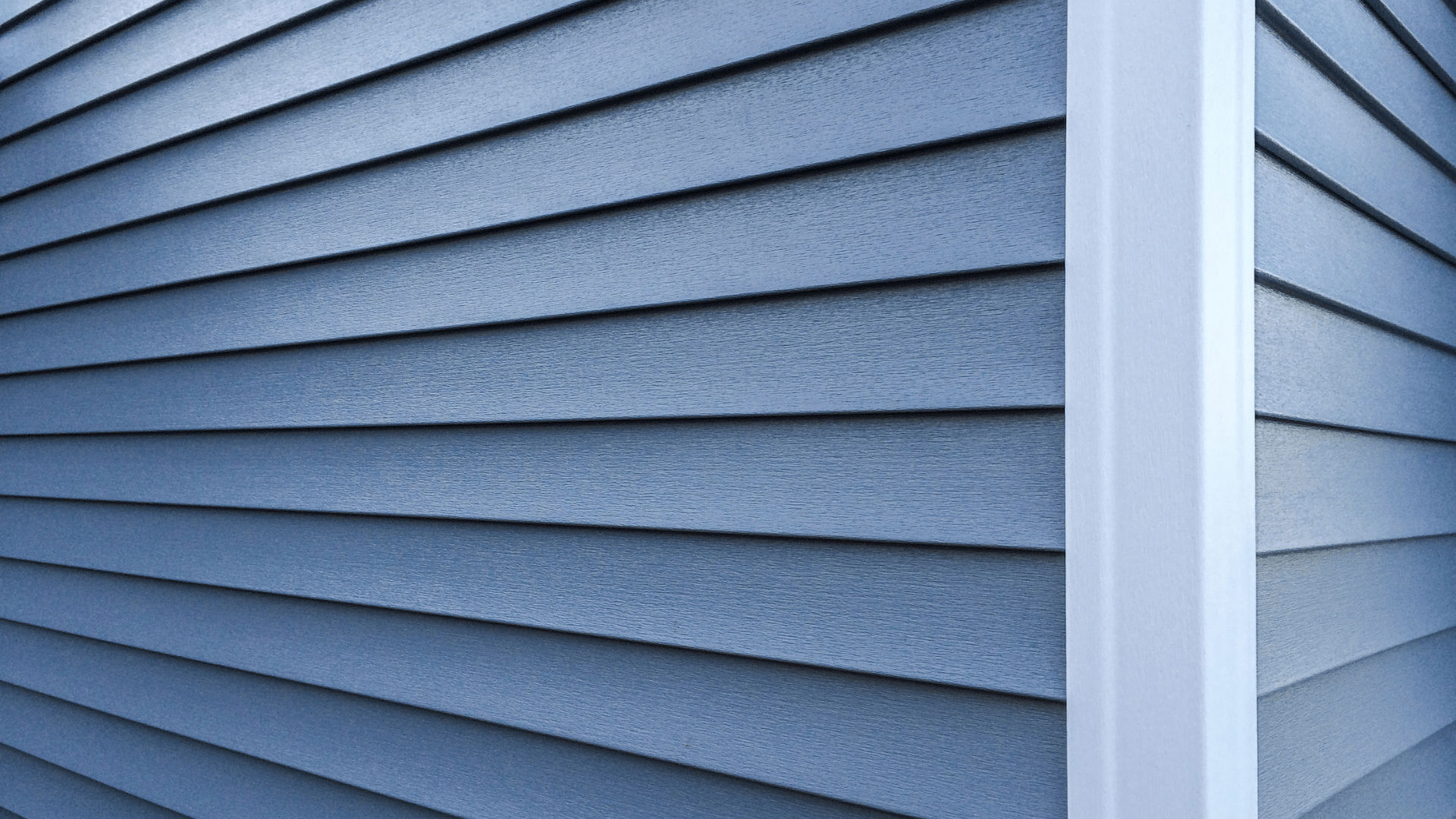
What vinyl siding actually is
Vinyl siding is the most common siding material in North America, and for good reason: it is affordable and requires very little maintenance. The material itself and the installation process are typically less expensive than any other siding option, making it the most budget-friendly choice for a full siding replacement.
The color of vinyl siding is baked into the entire panel, meaning it never needs to be painted or stained. Its smooth surface is easy to clean with a garden hose and a soft brush. However, vinyl has several significant drawbacks, especially in a demanding climate like the Pacific Northwest.
How it behaves in Seattle rain
Vinyl siding poses a specific risk in Seattle's wet climate that homeowners must understand: it can hide catastrophic damage. Vinyl creates a hollow shell around your home. If water penetrates behind a panel through a small crack, failed seal, or improper flashing, it becomes trapped against your home's sheathing. This trapped moisture can cause massive, hidden dry rot on the structural wood behind the siding, with no visible evidence on the surface until the damage is severe and expensive to repair. We have uncovered extensive hidden rot during vinyl siding repairs on Seattle-area homes. For this reason, we do not recommend vinyl for primary residences in wet climates. If you have existing vinyl siding, periodic inspections behind the panels in high-risk areas (near windows, doors, and roof lines) are critical.
Strengths and trade-offs
What it gets right
- Most affordable siding option for both material and installation
- Never needs painting or staining: color is baked throughout the panel
- Very low maintenance: periodic washing is typically all that is required
- Smooth surface resists dirt and cleans easily
What you give up
- Can become brittle and crack in cold temperatures or from impacts like hail
- Visible seams where panels overlap can detract from curb appeal
- Plastic appearance often viewed as less premium than wood or fiber cement
- Color fades over time from UV exposure, making matching replacement panels difficult
- Creates a hollow shell that can trap moisture and hide serious structural rot
- Limited impact resistance: vulnerable to damage from lawn equipment, ladders, and hail
Lifespan, upkeep, and cost
- Lifespan
- 20-30 years under ideal conditions. Impact damage, UV fading, and hidden moisture issues can reduce lifespan significantly.
- Maintenance
- Very low. Periodic washing with a garden hose. Inspect for cracks and damage annually. Check behind panels near windows and roof lines for trapped moisture or hidden rot every few years.
- Cost tier
- Budget ($) — relative, not a quote
Your number depends on wall area, how much of the sheathing and trim behind the siding has to be rebuilt, and access. We price it after looking at the wall, not before.
Is vinyl the right call for your house?
Exposure, existing siding condition, and what the sheathing behind it is doing all change the answer. Describe your wall and we will tell you straight.
Mon–Fri, 7:00am – 5:00pm
Vinyl siding questions
Is vinyl siding a good choice for Seattle homes?
Can you repair cracked or damaged vinyl siding?
Will vinyl siding fade in Seattle?
Does vinyl siding trap moisture and cause rot?
The other three materials
Most homeowners land on a shortlist of two. Read the alternatives before you decide.
- Mid ($$)
James Hardie Fiber Cement
A composite of cement, sand, and cellulose fibers engineered to resist rot, pests, and fire. The gold standard for durability in wet Pacific Northwest climates.
50+ years with proper installation.
- Premium ($$$)
Western Red Cedar
The classic choice for Pacific Northwest homes. Cedar contains natural oils that resist rot and insects, delivering authentic warmth and elegance that synthetic materials cannot replicate.
20-40 years with diligent maintenance.
- Mid ($$)
LP SmartSide Engineered Wood
Wood strands and resins treated with zinc borate for superior rot and pest resistance. Combines the authentic beauty of wood with modern durability and lower maintenance than cedar.
30-50 years with proper installation and maintenance.
The work behind the material
Get vinyl siding priced on your own wall
Free estimate with samples in hand, usually scheduled the same week. Seattle, Bellevue, Redmond, Kirkland, Bothell, and Tacoma.
Mon–Fri, 7:00am – 5:00pm · Free estimates · Same-week scheduling