
Exterior Trim Repair Costs Seattle: 2026 Complete Guide
Seattle exterior trim repair costs $120-12,000 depending on scope. See material, labor, and climate factors driving King County pricing.
By Seattle Trim Repair · Published · Updated
Exterior trim repair costs in Seattle range from $120 for minor fixes to $12,000 for extensive structural repairs driven by dry rot. Material type, damage severity, labor rates, and accessibility determine the final price.
Seattle’s 155 annual rainy days accelerate moisture damage in trim, making early intervention critical. Here is what drives costs, how materials compare, and what to expect for common trim repairs in King County.
Material Costs and Durability
Wood Trim Material: $0.60-10 per linear foot Full repair: $5-15 per linear foot Maintenance frequency: Every 3-5 years Annual maintenance cost: $150-300
Wood offers the lowest initial cost but demands regular repainting or staining to prevent moisture damage. In Seattle’s wet climate, wood trim around windows, doors, and corners commonly develops rot requiring section replacement rather than simple repairs.
Common problems include warping from moisture absorption, rot in areas with poor drainage, and insect infestations weakening structural integrity. Recurring maintenance costs often exceed initial savings over the trim’s lifespan.
PVC Trim Material: $2-30 per square foot Maintenance frequency: Every 10-15 years Annual maintenance cost: $50-100
PVC costs more upfront but resists weather damage. It does not absorb moisture, will not rot, and handles temperature changes without warping or cracking. This durability means fewer emergency repairs and longer replacement intervals.
Most PVC repairs involve impact damage from storms or accidents and thermal expansion issues in extreme temperatures. These repairs are generally straightforward and less frequent than wood, making PVC practical for long-term value.
Composite Trim Material: $0.80-15 per linear foot Maintenance frequency: Every 15-20 years Annual maintenance cost: $50-75
Composite trim requires the highest upfront investment but delivers exceptional durability. The material resists moisture, rot, and insects while maintaining shape across varying temperatures.
Repairs are needed only occasionally for severe impact damage or installation mistakes. Unlike wood, composite does not suffer from rot or structural weakening, simplifying repairs and keeping labor costs manageable.
Seattle-Specific Pricing Tiers
Local contractors structure pricing based on common damage patterns in the Pacific Northwest:
Minor Repairs: $120-400 Small fixes like patching trim sections or addressing minor water damage through epoxy patching and paint touch-ups. Projects at this level typically involve accessible areas with surface damage and no structural concerns.
Moderate Repairs: $1,500-2,800 Replacing small trim sections affected by moisture damage or dry rot. Focus is on targeted repairs preventing further issues. Common areas include window trim, door casings, and corner boards showing early rot.
Extensive Repairs: $4,500-12,000 Severe structural problems from prolonged moisture exposure or widespread dry rot affecting multiple trim sections or structural components. Often requires opening walls to address hidden damage in sheathing or framing.
Labor and Additional Costs
Contractors charge $65-105 per hour on average in the Seattle market, with specialized work reaching $106.25 per hour. Basic labor under favorable conditions ranges from $52.26 to $110.65 per hour.
A typical 4-hour repair project costs approximately $425 for labor, including preparation, installation, basic caulking, and cleanup.
Removal and Disposal Removing existing trim adds $0.60-1.20 per linear foot or $65 per hour for labor. Disposal fees run $100-300 depending on project scope. Site preparation like protecting landscaping or moving outdoor furniture adds to overall cost.
Permits Range from $50-300 depending on project scope and whether the property falls within an Environmentally Critical Area. Work affecting the building envelope or structural elements requires permitting regardless of cost.
Pacific Northwest Climate Impact
Seattle’s consistent moisture creates unique challenges for exterior trim. With 37 inches of annual rainfall and high humidity, wood trim is particularly vulnerable to dry rot and decay. Homeowners here need repairs more frequently than those in drier climates.
PVC and composite trims resist moisture damage better. While initial costs run higher, their durability leads to lower maintenance expenses over time.
Seattle’s mild temperatures—rarely below 32°F in winter or above 80°F in summer—minimize thermal expansion stress on trim materials. However, constant moisture exposure makes regular inspections and timely repairs essential.
Materials like James Hardie fiber cement, Western Red Cedar, and LP SmartSide perform well in this climate when properly installed and maintained. Proper flashing, weather-resistant barriers, and adequate drainage are non-negotiable for long-term durability.
Cost Calculation and Planning
Accurate Estimates Measure damaged trim sections, take detailed photos, and gather at least three contractor quotes. Ensure quotes clearly outline material, labor, and additional costs.
Hard-to-reach spots like second-story trim or roofline areas cost more due to safety measures and time required. Document structural damage separately as it may require extensive repairs.
Bundling exterior projects like repainting or siding work with trim repair can yield contractor discounts or package deals.
DIY vs. Professional Simple tasks like caulking, touch-up painting, or replacing ground-level trim can often be DIY projects, saving labor costs. For complex work—repairs above 10 feet or structural fixes—hire licensed professionals. Mistakes in these areas cost more long-term, eliminating initial savings.
In Seattle’s damp climate, apparent trim problems often indicate deeper moisture issues requiring contractor expertise to properly diagnose and repair.
Preventive Maintenance to Reduce Costs
Inspect moisture-prone areas annually, especially after heavy rain or storms. Look for rot, cracks, peeling paint, mold, or water damage. Check edges, seams, and shaded areas where moisture collects.
Clean trim twice yearly using mild detergent and a soft cloth or sponge. Rinse thoroughly to avoid soap residue. Avoid abrasive cleaners or high-pressure washers that force water into seams.
For wood trim, reapply paint or stain every 3-5 years to protect from moisture and sun. Use weather-resistant caulk to seal joints, gaps, and nail holes. Check for wear regularly.
Manage moisture by ensuring gutters and downspouts work properly to direct water away from your home. Trim shrubs and trees to improve airflow near trim.
Seal cracks with high-quality exterior-grade caulk and repaint chips immediately to prevent further damage.
When to Call Professionals
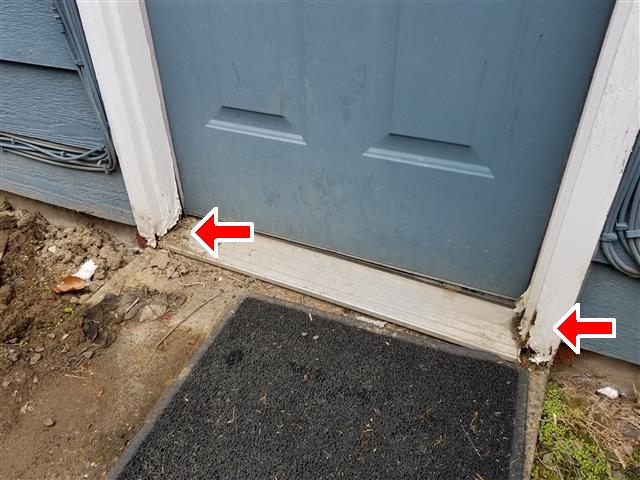
Dry Rot or Moisture Damage Soft, spongy areas on trim require professional assessment. Test with a screwdriver; if it sinks easily, the material is compromised. Peeling or bubbling paint, dark streaks, or musty smells point to underlying damage.
Dry rot repair costs $100-2,000 depending on extent. With Seattle averaging 155 wet days yearly, early detection is crucial. Professional inspections identify hidden issues before they become structural problems.
Structural Repairs Widespread cracks, shifting panels, or rot affecting underlying sheathing or framing require professional intervention. Improper repairs can void warranties and create bigger problems.
Moderate structural repairs in Seattle typically range from $1,500-2,800. Annual professional inspections detect subtle issues like hidden leaks or material weaknesses before they cause significant damage.
Material Selection Strategy
Balance upfront costs with long-term benefits. Wood is cheapest initially but demands regular maintenance. PVC and composite cost more upfront but save on long-term upkeep.
Consider your home’s age, how long you plan to stay, and your budget. In Seattle’s damp climate, high-quality caulking and weather-resistant finishes significantly reduce repair frequency.
Keep detailed records of repairs and materials. Document what was repaired, materials used, and contractor performance. Photos before and after help track maintenance and address warranty claims.
For expert exterior trim repair throughout King County, contact Seattle Trim Repair at (425) 517-1751 for a free on-site assessment and detailed project estimate.
Not sure how bad yours is?
Send a photo or describe the spot over the phone. We will tell you whether it is a patch, a section, or something structural before anyone comes out.
Mon–Fri, 7:00am – 5:00pm
Questions homeowners ask us about this
How do I decide whether to repair or replace exterior trim?
Why is composite trim better than wood for Seattle's weather?
What maintenance steps extend exterior trim life and lower repair costs?
When should I call a professional instead of DIY trim repair?
Read next
- Trim Repair
Cost of Trim Repair in Seattle
Seattle trim repair costs $321-$1,199 average. Minor fixes $120-$400, fascia $500-$1,200, full exterior trim $1,500-$5,000. Dry rot repair pricing explained.
- Trim Repair
Rotting Window Trim: Quick Repair Solutions
Learn how to identify, repair, and prevent rotting window trim to save money and maintain your home's integrity in damp climates.
- Dry Rot
What Causes Dry Rot in Pacific Northwest Homes?
Understand what causes dry rot in Seattle homes, from persistent rain to poor ventilation, and how to prevent structural damage with proven strategies.
Get a straight answer on your siding, trim, or rot
Free estimate, no obligation, and usually a slot the same week. We cover Seattle, Bellevue, Redmond, Kirkland, Bothell, and Tacoma.
Mon–Fri, 7:00am – 5:00pm · Free estimates · Same-week scheduling