
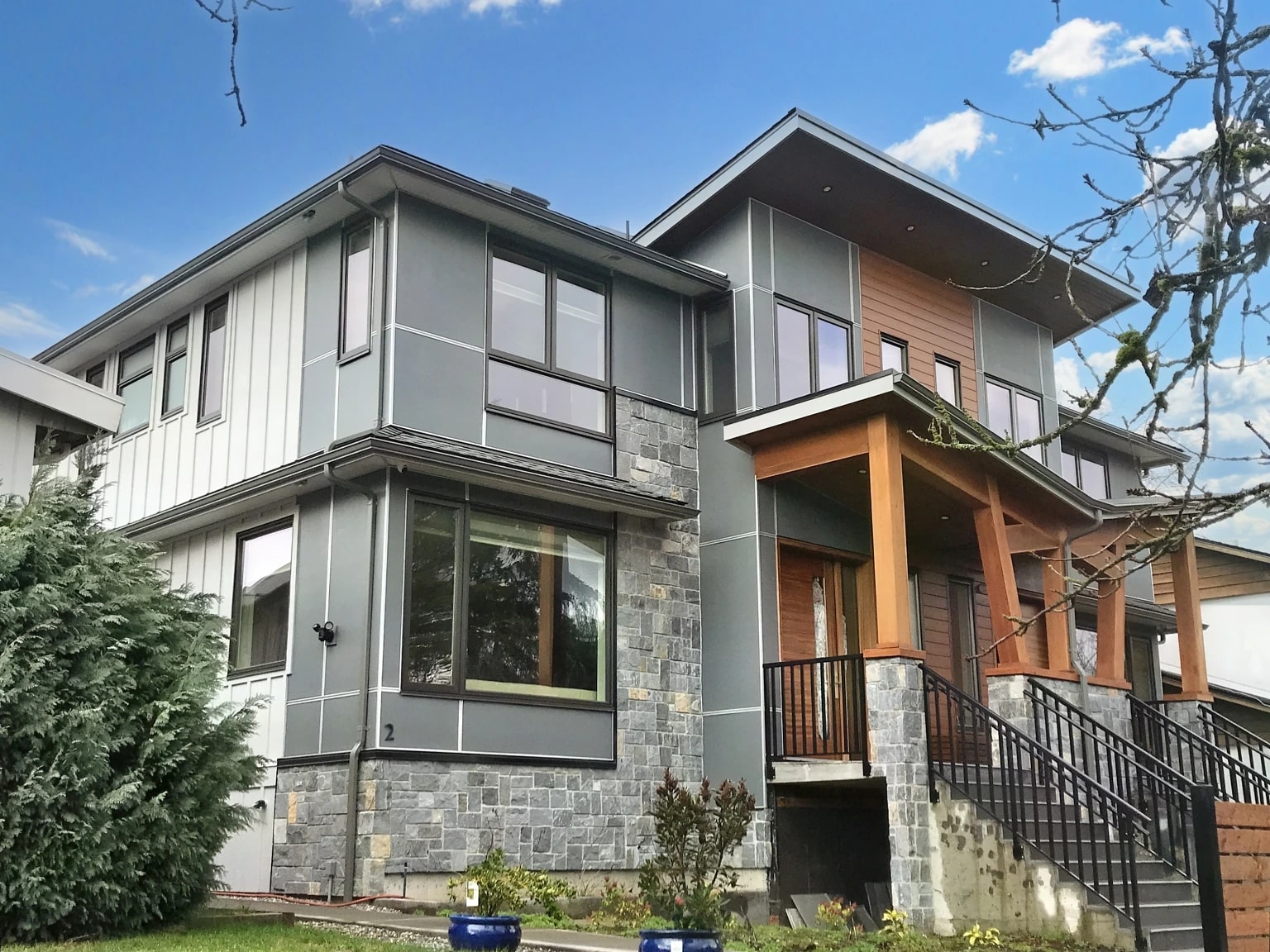
Is My Siding Failing? 8 Warning Signs for Seattle Homes
Learn the 8 critical signs your siding is failing. Seattle-specific guide covering warping, soft spots, mold, energy loss, and when to call a professional.
By Seattle Trim Repair · Published · Updated
If you live in Seattle, your home’s siding takes a beating. Between 155 rainy days each year, persistent Puget Sound humidity, and late-winter freeze-thaw cycles, your exterior cladding works harder than siding in almost any other U.S. city. The problem is that siding damage often starts quietly. By the time you notice something obvious, the underlying issue may have been developing for months or even years.
Knowing the early warning signs of siding failure can save you thousands of dollars in repairs. A small problem caught early might mean replacing a few panels. That same problem ignored for a couple of seasons could mean structural rot, mold remediation, and a full siding replacement.
This guide walks you through eight warning signs that your siding is failing, explains why each one happens in the Pacific Northwest climate, and helps you decide when it is time to call in a professional.
1. Warped or Buckled Siding Panels
Warped siding is one of the most visible signs of failure. Panels that once sat flat against your home now bow outward, ripple along their length, or pull away from the wall at the edges. You might notice it from the sidewalk as uneven shadow lines running across the face of your house.
Why It Happens in Seattle
Seattle’s constant moisture cycling is the main culprit. Siding absorbs water during the long rainy stretches from October through May, then dries unevenly when the sun finally comes out. Over time, this repeated swelling and shrinking weakens the material.
Vinyl siding can warp from heat trapped between the panel and the wall, especially on south-facing walls that get direct afternoon sun in summer. Wood and fiber cement siding warp when moisture penetrates from behind, often because of a failed weather barrier or missing flashing.
What to Do
A single warped panel might be an isolated issue caused by improper installation. But if you see warping across a large section of your wall, moisture is likely getting behind the siding. Do not try to push panels back into place or nail them flat, as that can crack the material or trap moisture inside. Have a professional assess whether the panels need replacement and whether there is water damage to the sheathing underneath.
2. Peeling Paint or Failing Caulk
Paint chips and flakes off the surface of your siding, exposing bare material underneath. Caulk around windows, trim joints, and panel seams shrinks, cracks, or pulls away entirely, leaving visible gaps. You might also notice discoloration or chalking where the paint has broken down.
Why It Happens in Seattle
Moisture is the enemy of paint adhesion. When water vapor passes through your walls from inside the house, or when rain finds its way behind the paint film, the bond between paint and siding breaks.
Seattle homes deal with this constantly. The mild but wet winters mean exterior surfaces rarely dry out completely between rain events. The low-angle winter sun does not generate enough heat to fully cure surfaces between storms, so moisture gets trapped under the paint layer.
Failed caulk is usually a combination of age, UV exposure during summer months, and the constant expansion and contraction from temperature swings.
What to Do
Peeling paint on its own is often a maintenance issue that a fresh coat can fix, but only if you address the moisture source first. If paint is peeling in localized areas around windows or near the roofline, suspect a leak.
Failed caulk should be removed completely and replaced. Pay special attention to the seams where siding meets exterior trim, as these joints are critical moisture barriers. If you are repainting every two to three years and the paint keeps failing, the siding itself may need attention.
3. Soft Spots When You Press on the Siding
When you push on your siding with your thumb or the handle of a screwdriver and the material gives way or feels spongy, you are dealing with rot or severe moisture damage. Healthy siding, whether it is wood, fiber cement, or engineered wood, should feel solid and rigid.
Why It Happens in Seattle
Persistent moisture is the direct cause of soft spots. In Seattle, wood siding and the oriented strand board (OSB) sheathing behind it are especially vulnerable. Water that gets behind siding through failed flashing, cracked caulk, or damaged panels sits against the wood and never fully dries in our climate.
Fungal decay sets in and breaks down the wood fibers over time. The Pacific Northwest’s mild temperatures are actually ideal for wood-decay fungi. Unlike colder climates where freezing temperatures slow rot, our winters stay warm enough for decay to continue year-round.
What to Do
Soft spots are never a cosmetic issue. They indicate active rot that will continue to spread if left untreated. Do not paint over them or try to fill them with exterior putty. The affected siding and any damaged sheathing or framing behind it must be removed and replaced.
This is a situation where calling a professional sooner rather than later will save you significant money. Rot spreads, and the longer you wait, the larger the repair becomes.
4. Visible Mold or Mildew Growth Behind Siding
You might see dark streaks, green or black patches, or fuzzy growth along the bottom edges of siding panels, behind trim boards, or in corners where siding meets other surfaces. Sometimes mold is visible only when a panel is removed or shifted. Other times, a musty smell near exterior walls is your first clue, especially after a rain.
Why It Happens in Seattle
Mold needs three things to grow: moisture, organic material, and moderate temperatures. Seattle provides all three in abundance. Humidity levels frequently stay above 70 percent from fall through spring, and the gaps behind siding create sheltered spaces where moisture lingers.
North-facing walls are particularly vulnerable because they receive the least sunlight and stay damp the longest. Homes near the Puget Sound or in low-lying neighborhoods near creeks and wetlands face even higher ambient moisture levels.
What to Do
Surface mold on the outside of siding can often be cleaned with a mild bleach solution or oxygen bleach. But mold growing behind the siding is a different story. It usually means water is getting in and not getting out.
You need to identify and fix the moisture entry point, remove affected materials, and ensure proper ventilation exists behind the new siding. If you see mold spreading along an entire wall section, this is a job for a professional who can assess the full extent of the problem and ensure proper remediation.
5. Rising Energy Bills
If your heating bills have been creeping up and you have already checked your furnace, insulation, and windows, your siding could be the culprit. Failing siding allows air infiltration through gaps, cracks, and areas where panels have pulled away from the wall. It can also mean that moisture has saturated the insulation behind the siding, drastically reducing its effectiveness.
Why It Happens in Seattle
Seattle’s heating season runs roughly from October through April. During that stretch, even small gaps in your siding envelope let cold, damp air penetrate the wall assembly. Wet insulation can lose up to 40 percent of its R-value, meaning your furnace works harder to maintain the same temperature.
Because our winters are not extremely cold, just persistently cool and damp, the energy loss from compromised siding shows up as a gradual increase rather than a dramatic spike. Many homeowners chalk it up to rate increases without realizing their siding is part of the problem.
What to Do
Start by doing a visual inspection of your siding, looking for any of the other signs on this list. Check for drafts along exterior walls by holding a lit incense stick near the baseboards on a windy day. If the smoke moves horizontally, air is getting through.
A professional energy audit can pinpoint exactly where your building envelope is failing. If compromised siding is the cause, targeted repair in the affected areas can make a noticeable difference in your next utility bill.
6. Bubbling Under the Surface
Bubbles or blisters appear beneath the paint or the surface layer of the siding itself. They can range from small, pea-sized bumps to large raised areas several inches across. The surface might feel hollow when tapped. Sometimes the bubbles burst, leaving craters or rough patches in the finish.
Why It Happens in Seattle
Bubbling is almost always caused by moisture trapped beneath the surface. When water gets behind or inside the siding material and then warms up, it creates vapor pressure that pushes the outer layer outward.
This is especially common on walls that get morning sun after a rainy night. The sun heats the wet siding surface, turning trapped water into vapor that has nowhere to go but outward. Homes in Seattle neighborhoods like Ballard, Fremont, and Queen Anne that have older siding without modern moisture barriers are particularly prone to this issue.
What to Do
Do not puncture the bubbles. That creates an entry point for more water. Bubbling tells you that moisture is moving through the wall assembly in a way it should not be.
The fix involves removing the affected siding, identifying how water is entering, correcting the moisture path, and installing new material with proper ventilation. If the bubbling is widespread, it often indicates a systemic issue with the wall assembly rather than a localized problem.
7. Gaps Between Siding Panels
Visible openings appear where siding panels meet each other, where siding meets trim, or where siding meets window and door frames. The gaps might be small enough to slip a credit card through, or they could be wide enough to see the building paper or sheathing behind them.
You might also notice daylight visible from inside your attic or crawl space where siding has separated.
Why It Happens in Seattle
All building materials expand and contract with temperature changes, and Seattle’s freeze-thaw cycles in late winter and early spring accelerate this process. When temperatures drop below freezing overnight and then warm up during the day, siding panels shift slightly with each cycle.
Over years, this movement loosens nails, compresses or degrades caulk, and creates permanent gaps. Poor initial installation makes this worse. If panels were nailed too tightly and could not accommodate natural movement, they eventually pull apart at the seams instead of flexing in place.
What to Do
Small gaps can sometimes be sealed with high-quality exterior caulk rated for your siding material. However, re-caulking is a temporary fix if the panels themselves have shifted.
Gaps wider than a quarter inch or gaps that reappear after caulking usually mean the panels need to be re-secured or replaced. Pay special attention to gaps near the foundation line and around windows, as these are the most common entry points for water. Water that enters through panel gaps can run down inside the wall cavity and cause hidden damage far from the visible gap.
8. Crumbling or Cracking Siding
The siding material breaks apart when touched, flakes off in pieces, or develops visible cracks running through the face of the panels. Edges become ragged or powdery. In severe cases, chunks of siding fall off the house entirely, leaving the wall sheathing exposed to the elements.
Why It Happens in Seattle
Crumbling and cracking happen when siding material reaches the end of its life or when repeated moisture cycling has broken down its structure. Older hardboard siding, which was installed on many Seattle homes built in the 1980s and 1990s, is notorious for this.
The material absorbs water, swells, then dries and shrinks, and each cycle weakens it further. Freeze-thaw cycles crack fiber cement and stucco siding when water inside the material expands as it freezes. Even vinyl siding can become brittle and crack after years of UV exposure during our long summer days, when Seattle can get 16 hours of daylight.
What to Do
Crumbling siding cannot be repaired. It must be replaced. The good news is that if the damage is isolated to one area, a professional can often replace just the affected section without redoing the entire house.
The important thing is to act before water damage spreads to the sheathing and framing behind the siding. If you are finding pieces of siding on the ground or can crumble the material in your hand, the replacement is overdue.
When to Call a Professional
Some siding maintenance tasks are reasonable for a handy homeowner. Re-caulking a small gap, touching up paint, or cleaning surface mold are within most people’s ability. But there are situations where professional help is not just recommended – it is necessary to avoid making the problem worse.
Call a professional if you notice any of these situations:
- Soft spots or active rot in the siding or the wall behind it
- Mold or mildew growing behind the siding, not just on the surface
- Warping or buckling across a large section of wall
- Multiple signs appearing at the same time on the same wall
- Any siding damage near windows, doors, or roofline flashing
- Crumbling or disintegrating material that cannot hold a nail
- Water stains on interior walls that correspond to exterior siding problems
The reason professional assessment matters is that siding damage is often the visible symptom of a deeper issue. A trained eye can determine whether you need a simple panel replacement or whether there is underlying rot, failed flashing, or an inadequate moisture barrier that caused the damage in the first place.
Fixing the siding without fixing the cause means you will be making the same repair again in a few years.
Seattle’s climate is beautiful, but it is demanding on homes. The combination of 155-plus rainy days, high humidity from the Puget Sound, and seasonal freeze-thaw cycles means your siding works harder than you might realize.
Catching siding failure signs early is the single most effective way to protect your home’s structure and avoid costly repairs down the road. Walk around your home at least twice a year and look for the eight signs covered in this guide.
If something does not look right, schedule a free siding inspection to get an honest assessment of what needs attention now and what can wait.
Not sure how bad yours is?
Send a photo or describe the spot over the phone. We will tell you whether it is a patch, a section, or something structural before anyone comes out.
Mon–Fri, 7:00am – 5:00pm
Questions homeowners ask us about this
How can I tell if my siding has moisture damage or just surface dirt?
Can I paint over warped or buckled siding to fix it?
Why are my energy bills going up if my siding looks fine?
Is soft fascia board a siding problem or a roof problem?
Read next
- Siding Repair
Why Seattle Homes Are Prone to Siding Damage
Seattle's climate causes siding damage faster than other regions. Understand moisture, rain patterns, freeze-thaw cycles, and what homeowners can do.
- Siding Repair
Siding Repair vs. Replacement: How to Decide
Should you repair or replace your siding? Decision framework with Seattle cost ranges, the 30 percent rule, and material-specific guidance.
- Siding Repair
7 Ways to Prevent Siding Moisture Problems in Seattle
Effective strategies to prevent moisture problems in siding, including installation tips, maintenance schedules, and material choices for Seattle homes.
Get a straight answer on your siding, trim, or rot
Free estimate, no obligation, and usually a slot the same week. We cover Seattle, Bellevue, Redmond, Kirkland, Bothell, and Tacoma.
Mon–Fri, 7:00am – 5:00pm · Free estimates · Same-week scheduling