
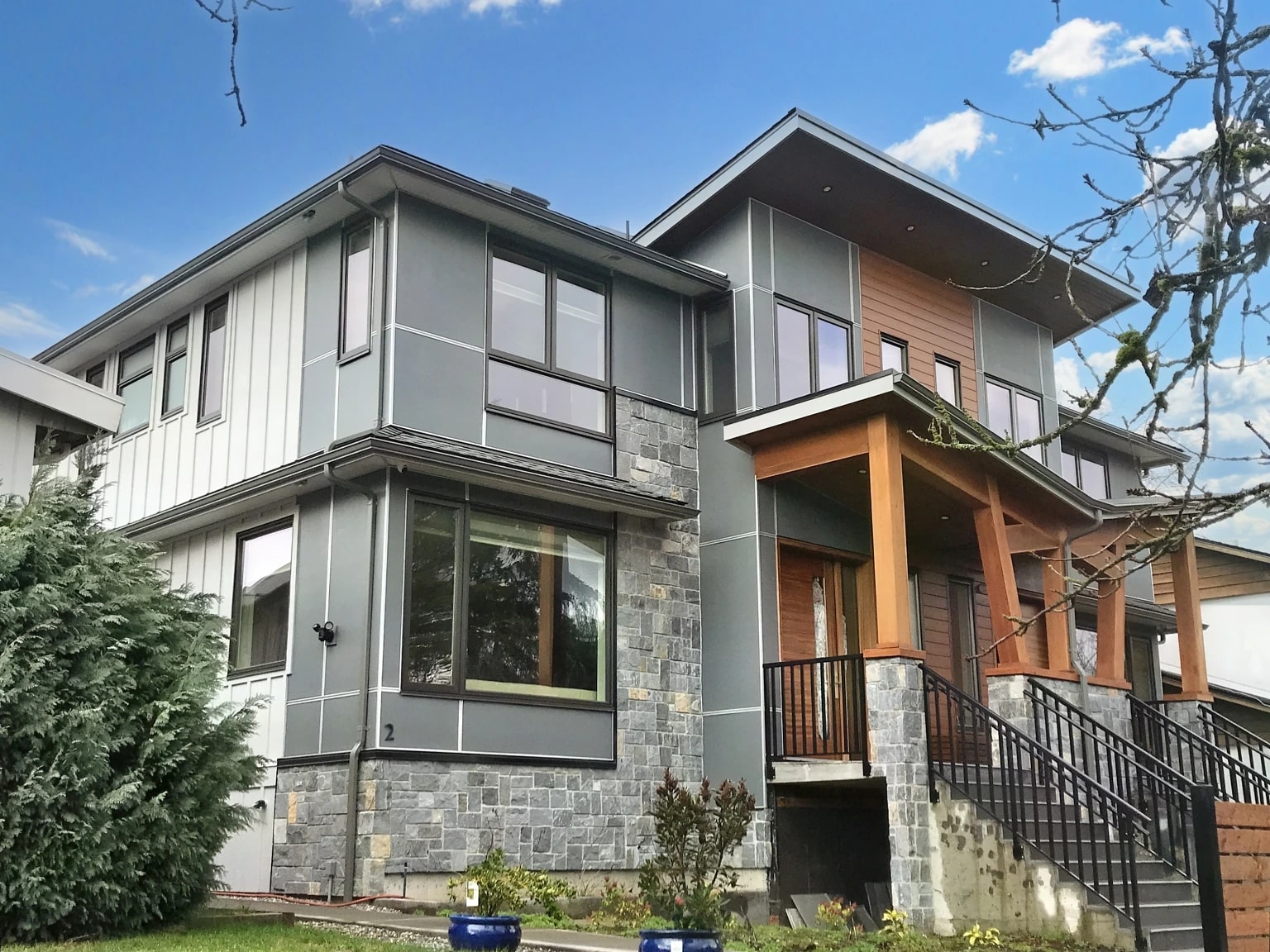
Why Seattle Homes Are Prone to Siding Damage
Seattle's climate causes siding damage faster than other regions. Understand moisture, rain patterns, freeze-thaw cycles, and what homeowners can do.
By Seattle Trim Repair · Published · Updated
Seattle homeowners know rain. With an average of 37 inches of rainfall spread across 155 rainy days each year, the city’s relationship with moisture is constant and unavoidable. But what many homeowners do not fully appreciate is how that relentless exposure quietly degrades the siding protecting their homes, often long before visible damage appears.
Siding damage in Seattle is not a matter of if. It is a matter of when and how fast. Understanding the specific climate forces at work is the first step toward protecting your home and avoiding costly repairs down the road.
Seattle’s Moisture Problem is More Complex Than Just Rain
When people think of Seattle weather, they picture gray skies and drizzle. That image is accurate, but it dramatically understates the complexity of what your siding endures. The issue is not just the volume of rain – it is the combination of moisture sources working together, day after day, month after month.
The Rain Pattern
Seattle receives precipitation roughly 155 days per year. That is not the dramatic downpours you see in the Southeast. Instead, it is prolonged, low-intensity moisture exposure that keeps siding damp for extended periods. Siding materials rarely get a chance to fully dry out between October and May, and that sustained dampness is far more destructive than occasional heavy storms.
Marine Air from Puget Sound
Marine air rolling in from Puget Sound carries salt-laden moisture that settles on exterior surfaces even on days when it is not technically raining. It accelerates corrosion on metal components like nails and flashing and creates a perpetually humid microclimate around your home’s exterior walls.
Homes closest to the water – in neighborhoods like Ballard, Magnolia, and West Seattle – experience this effect most intensely. The salt air shortens the lifespan of sealants and accelerates paint failure on south-facing and west-facing walls.
Wind-Driven Rain
Seattle’s prevailing winds push rain sideways into vertical surfaces that would otherwise stay relatively dry. This forces moisture behind trim boards, into gaps around windows and doors, and underneath horizontal lap joints in siding. Traditional gravity-based drainage design was not built for rain that travels horizontally.
Biological Growth
Seattle’s mild, damp climate is ideal for moss, algae, and lichen growth on exterior surfaces. These organisms trap moisture directly against your siding, prevent natural drying, and can work their way into seams and joints over time. A green-tinged north-facing wall is not just a cosmetic issue – it is a sign that moisture is being held against the siding surface continuously.
The Freeze-Thaw Factor Most Seattle Homeowners Overlook
Seattle’s winters are mild compared to much of the country, and that leads homeowners to assume freeze-thaw damage is not a concern here. That assumption is a mistake.
Seattle typically experiences 15 to 25 days per year where temperatures dip below freezing, often overnight before warming above 40 degrees during the day. This cycling between freezing and thawing is actually more damaging than sustained deep cold.
When moisture that has penetrated siding or trim boards freezes, it expands. When it thaws, it contracts. Each cycle widens existing cracks and gaps slightly, creating new pathways for moisture to enter. This process is particularly destructive because it targets siding that is already compromised.
A hairline crack that is invisible to the naked eye can become a significant entry point after just a few freeze-thaw cycles. The damage is cumulative – each winter builds on the deterioration from the year before, and homeowners often do not notice until the problem is severe.
The most vulnerable areas are north-facing walls that stay damp and cold longest, trim boards around windows and doors where caulking has begun to fail, and any siding with existing paint failure that allows moisture to reach the substrate.
How Different Siding Materials Respond to Seattle’s Climate
Not all siding fails the same way in the Pacific Northwest. Understanding how your specific material responds to Seattle’s moisture load helps you know what to watch for and where to direct your attention during inspections.
Cedar Siding
Cedar is deeply woven into Seattle’s architectural identity. It is naturally rot-resistant, beautiful, and has been the default siding choice for decades. But rot-resistant does not mean rot-proof.
Cedar siding in Seattle faces constant moisture exposure that overwhelms its natural defenses over time, especially when maintenance lapses. The most common failure pattern is paint or stain failure that exposes raw wood to moisture. Once the protective finish breaks down, cedar absorbs water readily.
Prolonged dampness leads to fungal decay, which typically starts at the bottom edges of boards, around nail holes, and at end-grain cuts where moisture absorption is fastest. Cedar shake and shingle siding is particularly vulnerable because of the numerous seams and overlapping surfaces that can trap moisture.
Fiber Cement Siding
Fiber cement, commonly known by the brand name Hardie board, has become the preferred replacement siding in Seattle for good reason. It is dimensionally stable, resistant to rot and insects, and handles moisture far better than wood. However, it is not immune to Seattle’s climate.
Fiber cement’s vulnerabilities in the Pacific Northwest center on its cut edges and fastener penetrations. Factory-finished surfaces perform well, but field-cut edges expose the raw material to moisture absorption if not properly sealed. Over time, this can lead to swelling and cracking at cuts.
Additionally, fiber cement is only as good as its installation. Improper flashing, insufficient clearance from rooflines, and failed caulk joints all create pathways for moisture to reach the wall sheathing behind the siding.
Vinyl Siding
Vinyl siding will not rot, and it will not absorb moisture. Those properties make it appealing in a wet climate. But vinyl’s weakness in Seattle is mechanical. It expands and contracts significantly with temperature changes, and over years of cycling, panels can loosen, buckle, or pull away from the wall.
Wind-driven rain then enters through gaps between panels, behind J-channel trim, and at penetrations for lights, outlets, and hose bibs. The hidden danger with vinyl is that moisture intrusion behind the panels can go undetected for years. Since the vinyl itself does not show damage, the wall sheathing and framing behind it can deteriorate extensively before any exterior signs appear.
Engineered Wood Siding
Products like LP SmartSide have gained popularity as a middle ground between the aesthetics of real wood and the durability of manufactured materials. These products use treated wood strands bonded with resin and coated with a protective overlay.
They perform well when properly installed and maintained, but they are unforgiving of installation errors. In Seattle’s climate, engineered wood siding is most vulnerable at cut edges where the protective overlay is interrupted and at horizontal surfaces where water can pool.
If the factory coating is breached and moisture reaches the wood substrate, swelling and delamination can occur rapidly. Proper flashing, adequate clearances, and consistent paint maintenance are essential for longevity.
Common Failure Patterns by Neighborhood
Seattle’s housing stock varies dramatically by neighborhood, and siding damage patterns follow suit. Knowing what to expect based on your home’s age, style, and location can help you catch problems early.
Ballard, Fremont, and Wallingford: Early 1900s Craftsman Homes
These neighborhoods are rich with Craftsman bungalows and foursquares built between 1905 and 1930. Most were originally clad in cedar lap siding or cedar shingles. After a century of exposure, these homes commonly show decay at water table boards and lower courses of siding (the bottom 12 to 18 inches that take the most splash-back).
Failed window sill trim where end grain has absorbed moisture for decades, deteriorated porch columns and decorative brackets, and cracked or missing caulk at every trim intersection are also common. Many of these homes have been re-sided at least once, sometimes over the original siding. Layered siding creates hidden cavities where moisture collects and decay accelerates unseen.
Capitol Hill and Queen Anne: Mix of Victorian and Mid-Century
These hillside neighborhoods face additional challenges from slope and exposure. Homes on the windward side of hills take more direct wind-driven rain, and steep lots can create drainage issues that push ground moisture against foundation-level siding.
Victorian-era homes here often have ornate trim details with numerous joints and end-grain exposures – each one a potential failure point.
West Seattle and Newer Developments
Post-1990 construction in areas like West Seattle tends to use fiber cement or engineered wood siding. These homes face different challenges: caulk and sealant joints that have reached the end of their 10 to 15-year service life, flashing details that may not have been installed to current best practices, and proximity to Puget Sound increasing salt air exposure.
The good news is that underlying structural damage is typically less extensive when caught early, since the framing materials are newer and the building envelope design is generally better than century-old construction.
What You Can Do Right Now to Protect Your Siding
You do not need to be a contractor to reduce the moisture load on your home’s siding. These practical steps make a measurable difference and can extend the life of your siding significantly.
Keep Gutters Clean and Functional
Clogged or overflowing gutters dump concentrated water directly onto siding surfaces and saturate the soil at your foundation. Clean gutters at least twice a year – once in late fall after leaves have dropped and once in spring. Make sure downspouts direct water at least 4 to 6 feet away from the foundation.
Trim Vegetation Away from Exterior Walls
Trees and shrubs growing against your siding trap moisture, block airflow, and create shade that promotes moss and algae growth. Maintain at least 12 inches of clearance between any vegetation and your siding. Trim overhanging branches that drip onto walls or deposit debris on horizontal trim surfaces.
Conduct Visual Inspections Twice a Year
Walk the perimeter of your home in spring and fall, looking at siding surfaces from close range. You are looking for paint bubbling or peeling, soft spots in wood siding that yield when pressed, gaps opening between trim boards and siding, caulk that has cracked or pulled away, discoloration or staining that suggests moisture movement, and moss or algae accumulation on walls.
Address Caulk and Sealant Failures Promptly
Caulk is the unsung hero of your home’s weather barrier. It seals the joints between siding and trim, around windows and doors, and at every penetration through the wall. In Seattle’s climate, exterior caulk typically lasts 8 to 12 years before it begins to crack and fail.
When you spot failed caulk during your inspections, remove the old material completely and apply a high-quality, paintable sealant rated for exterior use.
Do Not Ignore Small Repairs
A single damaged board or a small area of rotted trim might seem minor, but in Seattle’s wet climate, it is an open door for moisture. Addressing small repairs promptly – whether you handle them yourself or call a professional – is the most cost-effective maintenance strategy available.
Seattle’s climate will always be tough on siding. That is not going to change. But informed homeowners who understand the forces at work and stay ahead of maintenance can keep their homes well-protected for decades.
If you are unsure about the condition of your siding or you have noticed any of the warning signs described above, schedule a free inspection to get an honest assessment of what needs attention now and what can wait.
Not sure how bad yours is?
Send a photo or describe the spot over the phone. We will tell you whether it is a patch, a section, or something structural before anyone comes out.
Mon–Fri, 7:00am – 5:00pm
Questions homeowners ask us about this
Why does Seattle's drizzle damage siding more than heavy rain?
What siding material lasts longest in Seattle's climate?
How often should I inspect my siding in Seattle?
Does living near Puget Sound make siding damage worse?
Read next
- Siding Repair
How Seattle Weather Impacts Siding Durability
Seattle's rainy, windy climate accelerates siding deterioration. Learn which materials last longest and how proper installation prevents costly damage.
- Siding Repair
Is My Siding Failing? 8 Warning Signs for Seattle Homes
Learn the 8 critical signs your siding is failing. Seattle-specific guide covering warping, soft spots, mold, energy loss, and when to call a professional.
- Siding Repair
7 Ways to Prevent Siding Moisture Problems in Seattle
Effective strategies to prevent moisture problems in siding, including installation tips, maintenance schedules, and material choices for Seattle homes.
Get a straight answer on your siding, trim, or rot
Free estimate, no obligation, and usually a slot the same week. We cover Seattle, Bellevue, Redmond, Kirkland, Bothell, and Tacoma.
Mon–Fri, 7:00am – 5:00pm · Free estimates · Same-week scheduling