How Seattle Weather Impacts Siding Durability
Seattle's rainy, windy climate accelerates siding deterioration. Learn which materials last longest and how proper installation prevents costly damage.
By Seattle Trim Repair · Published · Updated
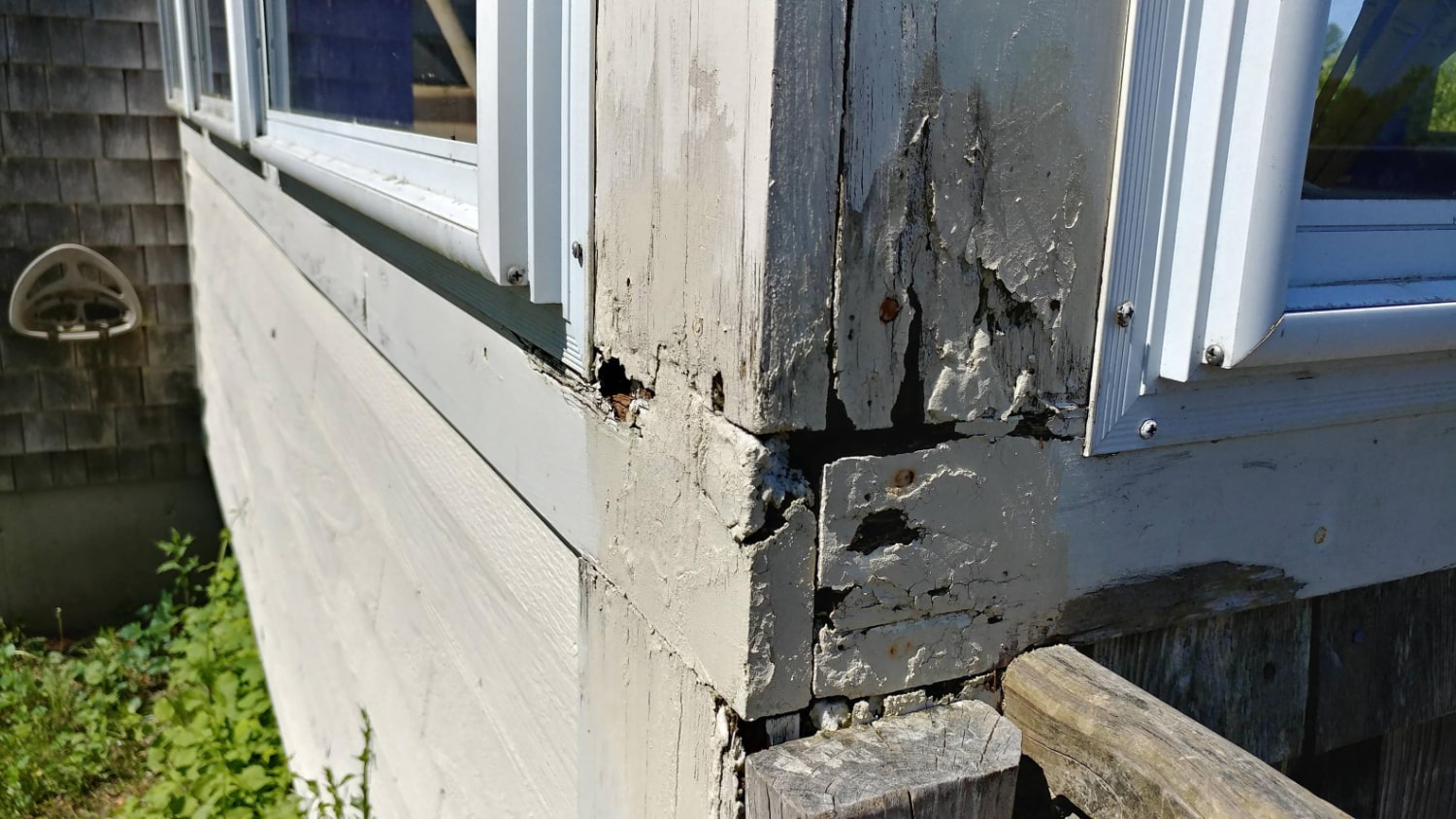
Seattle’s wet, cloudy climate creates unique challenges for home siding. With over 150 rainy days and 37 to 39 inches of annual rainfall, constant moisture exposure can lead to rot, mold, and structural damage. Unlike drier climates where siding ages gradually from sun exposure, Seattle siding faces relentless moisture that accelerates decay if the material or installation cannot handle it.
Freeze-thaw cycles, wind-driven rain, and temperature shifts further stress siding materials, causing issues like warping, cracking, and loosening. In this environment, the quality of your siding material and the expertise of your installation matter more than anywhere else. Proper installation and regular maintenance are not optional. They are essential for preventing costly damage and protecting your home investment.
Climate Factors That Affect Siding in Seattle
Seattle’s climate is defined by persistent moisture rather than extreme weather. The combination of steady rainfall, marine air humidity, temperature fluctuations, and coastal winds creates a challenging environment for all siding materials.
Rain and humidity are the primary threats. Seattle receives about 37 inches of annual rainfall spread across 155 wet days per year. This is not the brief, intense rainfall of desert climates. It is steady, persistent drizzle that saturates siding and keeps it damp for extended periods. Beyond the rain itself, wind-driven rain pushes water into areas that would otherwise stay dry, leading to issues like mold, mildew, and rot.
Wood-based siding is particularly at risk. When wood absorbs moisture beyond 20 percent, it becomes a breeding ground for fungi and rot. Research also highlights how rain-soaked siding can heat up under occasional sun, causing water to turn into vapor and penetrate deeper into the wall assembly. This makes proper drainage gaps and ventilation crucial to prevent long-term damage.
Temperature changes, while not extreme, still take a toll on siding materials. Seattle typically sees temperatures ranging from the mid-30s in winter to the mid-70s in summer. The expansion and contraction caused by these changes can lead to wear and tear over time. Occasional freezing temperatures, though rare, can make vinyl siding brittle and more likely to crack from impacts.
James Hardie® fiber cement siding is designed to withstand these cycles. It resists warping, shrinking, or swelling during temperature changes, making it a more durable option than materials that move with the weather. Wood siding falls in the middle. It can warp if moisture becomes trapped and then freezes, especially if the material is not properly sealed or ventilated.
Wind alters how rain interacts with siding, forcing moisture into vulnerable spots like corners, joints, and gaps around windows or doors. Studies reveal that trapped moisture can increase energy costs significantly, as thermal performance is compromised. In Seattle, cooling loads can rise by 17.6 percent and heating loads by 16.2 percent when moisture infiltrates wall assemblies.
Seasonal winds can also loosen panels that are not securely fastened, while the coastal salt air accelerates corrosion of metal fasteners and trim, weakening the siding’s attachment over time. To combat these issues, experts recommend leaving a ventilated gap of 1/16 to 3/8 inch between the siding and the water-resistive barrier. This allows any moisture that seeps through to drain and dry effectively.
How Different Siding Materials Perform in Seattle Weather
Not all siding materials are created equal when it comes to handling Seattle’s wet climate. Understanding how each material performs helps you make an informed decision that balances durability, maintenance, and cost.
Cedar siding faces tough challenges in Seattle’s damp environment. With the Puget Sound’s persistent moisture, mold, mildew, and rot become common problems for cedar. During sunny summers, UV exposure worsens the situation, leading to cracking and splitting, while pests like termites and carpenter ants are drawn to the wood. Add Seattle’s 37 inches of annual rainfall, and you get water absorption that causes swelling, warping, and buckling.
Standard exterior paint is not ideal for cedar siding. It forms a film that can bubble and peel as moisture seeps through, preventing the wood from breathing properly. Semi-transparent stains, while better, need reapplication every three to five years, whereas solid stains last longer, around five to seven years, but hide the natural wood grain.
With diligent care, like twice-yearly inspections, cleaning with oxygen bleach, and low-pressure washing under 1,200 PSI, cedar siding can last up to 30 years in Seattle. However, if more than 25 to 30 percent of the siding is damaged, replacing it at a cost of $9 to $24 per square foot may be more practical than ongoing repairs.
Fiber cement siding is a standout performer in Seattle’s wet climate. Made from a mix of sand, cement, and cellulose fibers, it resists rot, rust, and moisture. It is highly rated for fire resistance, heat exposure, and flood durability, making it a solid choice for homes in the area. Unlike wood, fiber cement does not warp or crack from temperature changes and is both non-combustible and pest-resistant.
Currently, fiber cement accounts for about 23 to 25 percent of new single-family home installations. However, it requires professional installation due to its weight and the need for specialized tools to ensure a tight seal against the elements. Homeowners should look for products with 30-year warranties and inspect caulk seals around windows and doors twice a year to maintain performance. Installation costs typically range from $10,000 to $18,000 for 1,000 square feet of coverage.
Vinyl siding is a practical choice for Seattle’s rainy conditions. It naturally repels water and resists rot, though it can become brittle in cold weather or warp under intense sunlight. Metal siding, whether steel or aluminum, offers excellent durability, staying stable without cracking or warping. Both materials can handle high winds when installed correctly.
Vinyl siding typically lasts 20 to 40 years, while metal siding can last 30 years or more. Installation costs range from $3.50 to $8.50 per square foot for vinyl and $10.00 to $25.00 per square foot for metal. Both vinyl and metal siding should be installed over a ventilated rain screen gap to prevent moisture buildup. Additionally, corrosion-resistant fasteners are crucial. Use 316 stainless steel fasteners for coastal areas and high-quality galvanized nails inland.
Routine inspections are essential. Check vinyl for warping and metal for scratches in the protective coating that might lead to rust. This upkeep ensures these materials continue performing well in Seattle’s challenging weather conditions.
Installation and Maintenance Practices for Seattle Siding
Even the best siding material will fail if not installed correctly. In Seattle’s damp climate, proper installation techniques are absolutely essential for long-term performance.
One key technique is using a rain screen system, which creates a small air gap between the siding and the water control layer. This gap ranges from 1/16 inch for lap siding to up to 3/8 inch for masonry and allows moisture to drain and dry effectively. The Pacific Northwest National Laboratory advises installers to work with the mindset that siding will leak during its lifetime, so proper drainage paths are critical.
Behind the siding, a well-installed water-resistive barrier acts as a second line of defense, shielding the home’s sheathing and framing from moisture. Detailed flashing, especially kickout diverters at roof-to-wall connections, is critical for redirecting water away from vulnerable areas. For wood and fiber cement products, applying a six-side prime, coating the back and edges before installation, adds a solid layer of rot resistance.
Using corrosion-resistant fasteners is a must. Stainless steel fasteners are ideal for homes within 3,000 feet of the shoreline, while galvanized fasteners work well elsewhere. In Seattle’s marine air, even inland homes benefit from upgraded fasteners that resist rust and maintain holding power over decades.
To keep siding in top shape, Seattle homeowners should inspect it twice a year: once in spring after the wet winter and again in fall before the rainy season begins. These inspections should look for issues like hairline cracks in caulking, soft spots, mold, mildew, and uneven fading. Start with a distant inspection from ten to 15 feet away, then move closer to check for spongy or compromised areas by pressing gently on suspect spots.
Cleaning the siding every one to two years helps prevent dirt, grime, and organic buildup. Instead of chlorine bleach, opt for oxygen bleach, which is gentler on wood fibers and safer for nearby plants while still effectively removing mold and mildew. If pressure washing is necessary, keep the pressure under 1,200 PSI and maintain an 18 to 24 inch distance to avoid damaging the surface.
Cedar siding typically needs re-staining every three to seven years, depending on sun exposure and product quality. Fiber cement siding requires its caulk seals to be checked twice annually, especially around windows, doors, and corners where water is most likely to penetrate.
Routine inspections are important, but addressing vulnerable areas promptly can prevent small issues from escalating. High-risk spots include trim around corners, windows, doors, and material transitions. Lower boards near the ground and areas beneath windows are particularly prone to moisture buildup, which can lead to rot. Wind-driven rain can push moisture into tiny gaps in compromised caulking, potentially causing hidden structural damage.
Minor repairs typically cost between $120 and $400, while more extensive structural repairs can range from $4,500 to $12,000. Catching issues early through regular inspections can save thousands by preventing small problems, like a cracked seal, from turning into extensive rot that requires full siding replacement.
Seattle’s annual rainfall of 37 inches and 150 to 160 rainy days make siding an essential defense against moisture, rot, and structural decay. Moisture infiltration poses the greatest risk, but other factors like UV exposure, freeze-thaw cycles, wind-driven rain, and pests also test siding durability.
Choosing the right siding material is critical. Fiber cement stands out for its resistance to rot and fire, making it a strong choice for Seattle’s wet climate. Cedar siding, while admired for its timeless appeal, demands re-staining every three to seven years to prevent deterioration. LP SmartSide® engineered wood offers a middle ground with better moisture resistance than natural cedar and less maintenance.
Regardless of the material, proper installation is non-negotiable. Techniques like rain screen systems, weather-resistant barriers, and corrosion-resistant fasteners protect your home from Seattle’s persistent moisture. Regular maintenance is just as crucial. Conducting inspections twice a year, in spring and fall, can help identify minor issues such as cracked caulk or soft spots before they escalate into expensive repairs.
Simple steps like cleaning with oxygen bleach, ensuring proper ground clearance, and paying close attention to areas around windows and doors can significantly extend your siding’s lifespan. When more than 25 to 30 percent of your siding shows signs of failure, a full replacement is often the smarter financial decision.
Professional contractors bring specialized tools and knowledge needed to address Seattle’s unique challenges. They use moisture meters to detect hidden dampness behind siding and ensure proper flashing at critical transition points, which plays a vital role in preventing unseen water damage that could compromise your home’s structure.
For expert siding installation or repair in Seattle, visit /siding-repair/ or call (425) 517-1751.
Not sure how bad yours is?
Send a photo or describe the spot over the phone. We will tell you whether it is a patch, a section, or something structural before anyone comes out.
Mon–Fri, 7:00am – 5:00pm
Questions homeowners ask us about this
What type of siding works best for Seattle's rainy weather?
How often should I inspect my siding in Seattle's climate?
What are the signs that Seattle weather is damaging my siding?
How can I prevent moisture damage to my siding in Seattle?
Read next
- Siding Repair
Seasonal Siding Maintenance Guide for Seattle Homes
Essential seasonal siding maintenance tips for Seattle homes to prevent moisture damage and extend siding life in our rainy climate.
- Siding Repair
Best Siding for Seattle's Rainy Weather
Compare fiber cement, vinyl, wood, engineered wood, and metal siding for Seattle's wet climate—moisture resistance, maintenance, lifespan, and cost.
- Installation
Weather Resistance of Common Siding Materials Explained
Compare fiber cement, metal, vinyl, and engineered wood siding for Seattle weather. Learn which materials resist moisture best and last longest.
Get a straight answer on your siding, trim, or rot
Free estimate, no obligation, and usually a slot the same week. We cover Seattle, Bellevue, Redmond, Kirkland, Bothell, and Tacoma.
Mon–Fri, 7:00am – 5:00pm · Free estimates · Same-week scheduling