
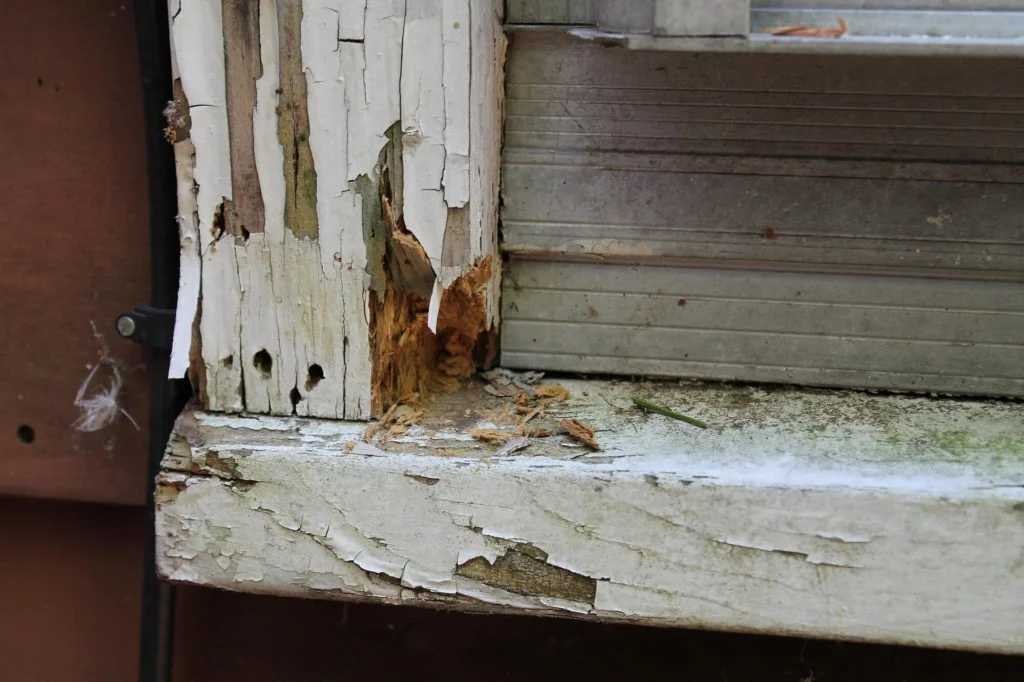
Cost of Trim Repair in Seattle
Seattle trim repair costs $321-$1,199 average. Minor fixes $120-$400, fascia $500-$1,200, full exterior trim $1,500-$5,000. Dry rot repair pricing explained.
By Seattle Trim Repair · Published · Updated
Trim repair in Seattle typically costs between $321 and $1,199 for average projects, with final pricing determined by job size, dry rot extent, and material choices. Minor repairs using epoxy and paint touch-ups run $120-$400, while replacing window or door trim averages $300-$800 per unit. Larger jobs like fascia board replacement cost $500-$1,200, and complete exterior trim replacement ranges from $1,500-$5,000.
Understanding these cost ranges helps Seattle homeowners budget for repairs and compare quotes effectively. This guide breaks down pricing by project type, explains what drives costs in our local market, and highlights the factors unique to the Pacific Northwest that affect your final bill.
Trim Repair Pricing Breakdown
Trim repair costs vary widely based on the extent of damage and whether underlying structural issues need attention. Small cosmetic repairs represent the low end of the spectrum. These typically involve patching minor rot with epoxy filler, sanding, priming, and paint touch-ups. For jobs requiring 2-4 hours of work with minimal materials, expect $120-$400.
Window and door trim replacement falls in the moderate range. Each unit typically costs $300-$800, depending on trim complexity and material choice. Simple flat casings cost less than ornate Victorian-era profiles that require custom milling or specialty sourcing. Labor accounts for most of this cost, as careful removal of old trim without damaging surrounding siding takes skill and time.
Fascia board replacement, one of the most common Seattle trim repairs, runs $500-$1,200 per section. Fascia boards sit at the roofline where clogged gutters frequently overflow, making them highly vulnerable to rot in our rainy climate. Replacement involves working at height, often requiring scaffolding or specialized equipment that adds to labor costs.
Full exterior trim replacement projects reach $1,500-$5,000 or more. These comprehensive jobs typically occur when multiple trim elements have deteriorated simultaneously, often indicating a longer-term moisture problem. Homes with complex architectural details, multiple stories, or extensive corner boards and decorative elements fall toward the upper end of this range.
Dry Rot Repair: The Wild Card Cost
Dry rot repairs introduce significant cost variability because the full extent of damage only becomes visible once contractors remove the affected trim. Small, isolated dry rot repairs start at $140 for minor fixes like a single rotted window sill section. However, costs can escalate to $12,000 or more when rot has spread into structural framing, sheathing, or multiple exterior walls.
The challenge with dry rot lies in its hidden nature. What appears as a small soft spot on exterior trim often extends behind the siding into wall sheathing, studs, or floor joists. Seattle’s persistent moisture allows rot fungi to spread far beyond visible surface damage.
Most reputable contractors provide cost ranges rather than fixed prices for dry rot work, often using Time and Materials (T&M) contracts. This approach protects homeowners from paying for work not performed while ensuring contractors can address all damage discovered during the repair process. Expect exploratory work to add $500-$1,500 to initial estimates when opening walls reveals hidden issues.
Moderate dry rot repairs typically range $1,500-$2,800, covering situations where rot has affected multiple trim boards or extended slightly into sheathing that needs replacement. Extensive structural dry rot repair, involving floor joists, roof framing, or significant wall sections, can cost $4,500-$12,000. In severe cases where rot has compromised multiple structural systems, costs can exceed $20,000.
Labor Rates Across Seattle Metro
Labor costs vary significantly by location within the Seattle metropolitan area. Downtown Seattle and Bellevue command premium rates of $75-$120 per hour, reflecting higher costs of doing business, parking challenges, and demand in these affluent areas.
Central Seattle neighborhoods like Capitol Hill, Queen Anne, Wallingford, and Fremont typically see rates of $65-$95 per hour. North Seattle areas including Ballard, Greenwood, and Lake City fall into similar ranges. These rates reflect standard urban pricing without the downtown premium.
South King County locations like Auburn, Renton, and Kent often see more competitive rates of $50-$80 per hour. The lower cost of living and business expenses in these areas translates to modest savings for homeowners, though the difference may be offset by travel time charges for contractors based in central Seattle.
Specialized trim and dry rot repair contractors typically charge at the higher end of these ranges compared to general handymen. The premium buys expertise in moisture-resistant installation, hidden rot detection, and proper flashing techniques critical for long-term performance in Seattle’s wet climate.
Terrain and Access Challenges
Seattle’s topography significantly impacts trim repair costs. Homes on steep hillsides face 25-65% cost increases due to access challenges. Queen Anne’s steep slopes, Magnolia’s cliffsides, and Capitol Hill’s terrain all require additional safety equipment, scaffolding, and crew time.
Properties with narrow side yards or tight spaces between houses limit equipment access. Contractors may need to hand-carry materials and tools where trucks and lifts cannot reach, increasing labor time substantially. Homes with retaining walls, steep driveways, or landscaping obstacles face similar challenges.
Scaffolding rental adds $500-$1,500 to projects requiring multi-story access, particularly when ladder work is unsafe due to slopes or overhead obstacles. Some Queen Anne and Magnolia properties require custom scaffolding solutions that push costs even higher.
Easier access translates to cost savings. Single-story homes on level lots with clear perimeter access represent the baseline pricing scenario. Each complication adds time and equipment costs that flow through to your estimate.
Material Costs and Choices
Material selection profoundly impacts both upfront costs and long-term performance. Here’s what different trim materials cost per linear foot installed in the Seattle market:
Vinyl trim costs $0.50-$5.00 per linear foot. It offers basic moisture resistance at the lowest price point but lacks the durability and appearance of premium materials. Vinyl works for budget-conscious repairs on modern homes but rarely matches well with traditional architecture.
Wood trim (cedar, hardwood) runs $0.50-$10.00 per linear foot depending on species and grade. Cedar is traditional in the Pacific Northwest and looks authentic on Craftsman and historic homes, but it demands regular maintenance and eventually rots even with good care. Clear-grade cedar and hardwoods cost significantly more than paint-grade materials.
Fiber cement trim costs $5.00-$10.00 per linear foot. This material resists moisture, rot, and insect damage while accepting paint finishes that look like traditional wood. It has become the preferred choice for Seattle contractors working on homes with a history of trim rot issues.
PVC and polyurethane trim range from $4.00-$10.00 per linear foot. These synthetic materials never rot, resist moisture completely, and come in profiles that replicate historic trim details. They cost more upfront but eliminate future rot repairs, making them cost-effective for long-term homeowners.
Custom or ornate molding profiles can reach $30.00 per linear foot when specialty shapes require custom milling. Historic homes with unique trim profiles sometimes need this investment to maintain architectural integrity.
Old trim removal adds $0.60-$1.20 per linear foot to any project. Careful removal without damaging adjacent siding takes time, especially when old trim has been painted multiple times or has deteriorated badly.
Permits and Code Requirements
Building permits for exterior trim work typically cost $500-$1,500 for substantial projects in Seattle. Minor repairs often don’t trigger permit requirements, but full trim replacement, structural repairs, or work exceeding certain dollar thresholds require permits.
Homes built before 1980 may need lead paint and asbestos testing before work begins. Testing adds approximately $482 or more to project costs. If lead or asbestos is present, specialized abatement procedures increase costs further, but federal and state regulations require proper handling.
Permit costs cover plan review, inspections, and administrative fees. While they add to upfront costs, permitted work provides important protections: verification that work meets code, documentation for future home sales, and recourse if problems arise with the installation.
When to Invest in Specialized Services
General contractors and handymen often quote lower hourly rates than specialized trim repair companies. However, specialists bring valuable expertise for Seattle’s moisture challenges: knowledge of which materials perform best in our climate, experience identifying hidden dry rot before it spreads, proper installation of weather barriers and flashing, and understanding of Seattle’s microclimates and their specific challenges.
Specialized firms include additional value through comprehensive moisture inspections, warranties on work performed, materials sourcing expertise for hard-to-match profiles, and preventative recommendations to avoid future rot cycles. A free 15-point dry rot inspection often uncovers issues that general contractors miss, potentially saving thousands in future structural repairs.
For small cosmetic repairs, a skilled handyman may suffice. For any project involving dry rot, structural concerns, or chronic moisture problems, the expertise of a specialized contractor proves worth the moderate cost premium. Their knowledge of PNW-specific challenges like rainscreen installation, proper flashing at transitions, and moisture-resistant material selection pays dividends through repairs that actually last in our relentless rain.
Budgeting for Your Project
When budgeting for trim repair, set aside an additional 10-20% beyond the estimate for unexpected issues. Seattle’s wet climate means dry rot often extends beyond visible damage. This contingency budget prevents financial stress if contractors discover hidden problems once they open walls.
Fall scheduling offers potential cost savings. Contractors experience lighter demand after summer’s peak season, and some offer modest discounts to keep crews busy. However, wet weather may extend project timelines, so factor in potential weather delays if you schedule October through March.
Multiple quotes provide helpful price comparison, but evaluate contractors on more than hourly rates alone. Consider their warranty terms, dry rot experience, material recommendations for Seattle’s climate, and whether they include moisture barriers and proper flashing in their scope. The cheapest quote often becomes the most expensive outcome when shortcuts lead to recurring rot.
Investing in moisture-resistant materials costs more upfront but reduces lifetime ownership costs. Fiber cement, PVC, and composite trim products cost 2-3 times more than basic wood but can last 40-50 years in Seattle’s wet climate compared to wood’s 15-25 year lifespan with regular maintenance. For homeowners planning to stay long-term, the premium materials pay for themselves through avoided replacement cycles.
For expert trim repair built to last in Seattle’s challenging climate, contact Seattle Trim Repair at (425) 517-1751 for a free inspection and estimate. Learn more about our exterior trim repair services.
Not sure how bad yours is?
Send a photo or describe the spot over the phone. We will tell you whether it is a patch, a section, or something structural before anyone comes out.
Mon–Fri, 7:00am – 5:00pm
Questions homeowners ask us about this
What drives trim repair costs in Seattle?
Why choose moisture-resistant trim materials in Seattle?
Does Seattle's terrain affect trim repair pricing?
Read next
- Trim Repair
Exterior Trim Repair Costs Seattle: 2026 Complete Guide
Seattle exterior trim repair costs $120-12,000 depending on scope. See material, labor, and climate factors driving King County pricing.
- Dry Rot
Dry Rot Prevention vs. Repair Costs in Seattle
Annual dry rot prevention costs $200-$500 in Seattle. Repairs run $1,500-$100,000+. Learn why prevention saves thousands in King County's wet climate.
- Trim Repair
5 Signs Your Exterior Trim Needs Replacement
Learn the key warning signs that your home's exterior trim needs replacement to prevent costly structural damage and maintain curb appeal.
Get a straight answer on your siding, trim, or rot
Free estimate, no obligation, and usually a slot the same week. We cover Seattle, Bellevue, Redmond, Kirkland, Bothell, and Tacoma.
Mon–Fri, 7:00am – 5:00pm · Free estimates · Same-week scheduling