
What Causes Dry Rot in Pacific Northwest Homes?
Understand what causes dry rot in Seattle homes, from persistent rain to poor ventilation, and how to prevent structural damage with proven strategies.
By Seattle Trim Repair · Published · Updated
Dry rot is one of the most destructive forces affecting homes in the Pacific Northwest, driven by the region’s unique combination of persistent rainfall, high humidity, and limited sunlight. The fungus Serpula lacrymans thrives when wood moisture levels rise above 20 percent, breaking down the cellulose and lignin that give wood its strength. In Seattle, where the city averages 155 rainy days per year and extended periods of cloud cover, the conditions for dry rot are nearly ideal from October through June.
The Pacific Northwest’s climate creates a perfect storm for fungal decay. Frequent rain keeps wood consistently damp, and the high ambient humidity prevents it from drying out between storms. Even areas shielded from direct rain—under eaves, behind siding, in crawl spaces—retain moisture for extended periods. When temperatures hover between 59°F and 71.6°F, as they do through much of the year in Seattle, the dry rot fungus grows aggressively. Unlike in colder climates where freezing temperatures interrupt fungal activity, our mild winters allow decay to progress year-round.
How Pacific Northwest Weather Fuels Dry Rot
Seattle’s 37 inches of annual rainfall arrive mostly as persistent drizzle rather than heavy downpours. This pattern means wood surfaces stay damp for days or weeks at a time, never fully drying before the next rain system arrives. When wood absorbs enough moisture to reach the 22 to 55 percent range, dry rot fungus not only survives but actively spreads through the material.
High humidity compounds the problem. Even when rain stops, the air’s moisture content keeps wood from drying effectively. North-facing walls, shaded corners, and spaces beneath deck boards remain damp for months. The lack of direct sunlight is critical—UV exposure helps sterilize surfaces and accelerate drying, but Seattle’s frequent cloud cover limits this natural defense. Areas that never see full sun become hotspots for fungal colonization.
The fungus itself is remarkably resilient. At cooler temperatures around 45°F, it can remain dormant for up to nine years, waiting for conditions to improve. At optimal temperatures near 72°F, it survives about one year but grows rapidly. This adaptability means that once dry rot takes hold in a Seattle home, it can persist through seasonal variations and spread whenever moisture levels spike.
Main Causes of Dry Rot in Seattle Homes
Three primary factors drive dry rot development: water intrusion, poor air circulation, and neglected maintenance. When these combine, structural damage accelerates quickly.
Water intrusion is the trigger. Any pathway for moisture into wood—failed caulking around windows, gaps where siding meets trim, clogged gutters that overflow onto fascia boards—raises the wood’s moisture content above the critical 20 percent threshold. In Seattle’s wet climate, even small vulnerabilities become chronic problems. Water seeping behind siding or into wall cavities has no opportunity to dry out before the next rain, creating the sustained dampness that dry rot requires.
Inadequate ventilation traps moisture in place. Crawl spaces without proper cross-ventilation, attics with blocked soffit vents, and enclosed porch areas allow humidity to accumulate. Homes built to retain heat during Seattle’s long, damp winters often lack the airflow needed to prevent condensation and moisture buildup. The fungus produces water as it grows, creating a self-sustaining cycle once it establishes itself in a poorly ventilated space.
Deferred maintenance allows small problems to become systemic failures. Peeling paint exposes bare wood to direct moisture absorption. Cracked caulk around door and window casings creates entry points for water. A loose section of siding that goes unrepaired for a season can allow moisture behind the entire wall assembly. In the Pacific Northwest, these issues do not remain stable—they worsen with every rainstorm until structural damage requires costly intervention.
High-Risk Areas in Seattle Homes
Certain parts of your home face elevated dry rot risk due to constant moisture exposure and limited maintenance access.
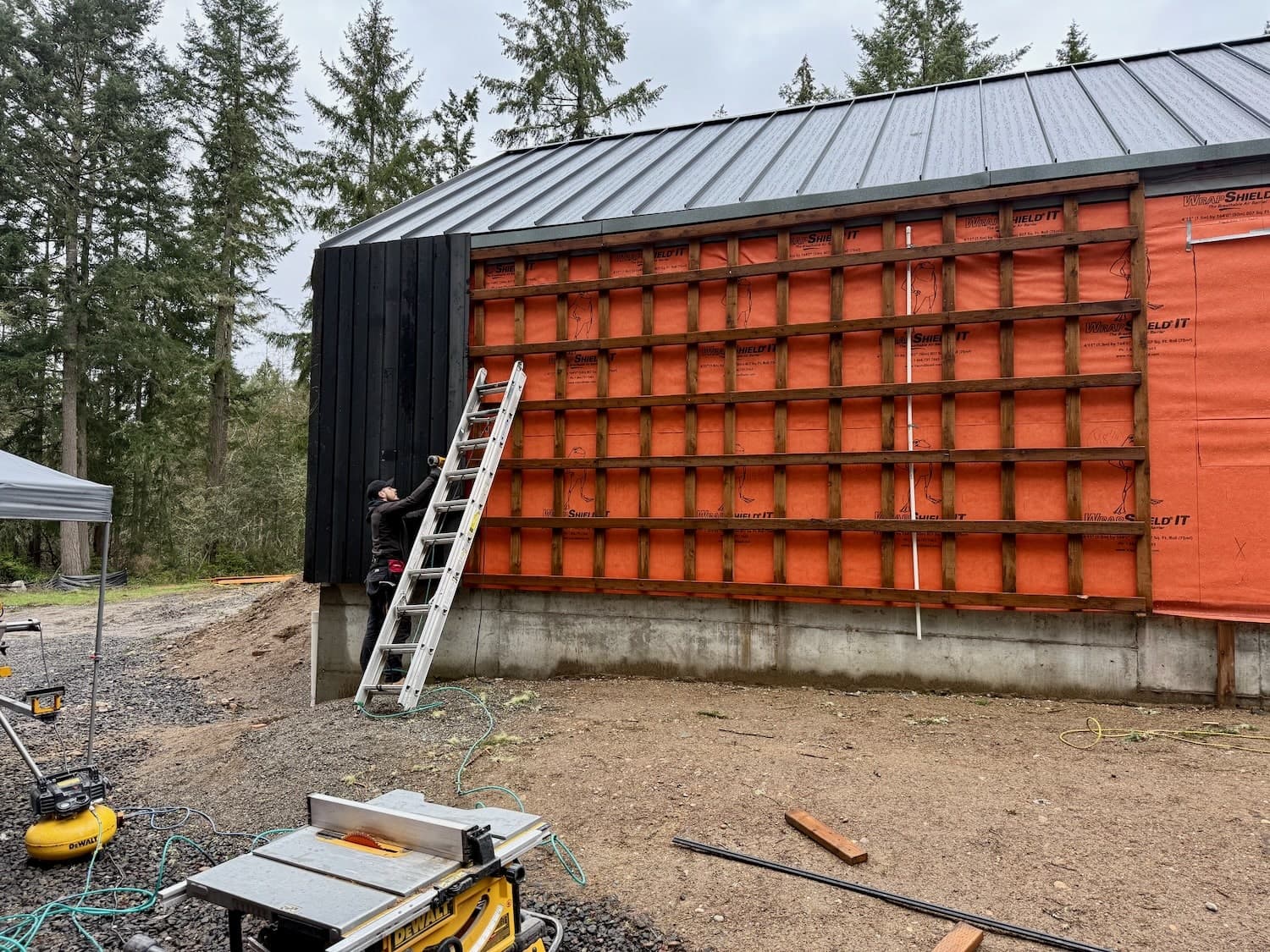
Siding and trim are the first line of defense against weather, and they take the most punishment. Where siding meets the foundation, trim, or roofline, natural expansion and contraction create small gaps that allow water penetration. Once moisture gets behind the siding, trapped between the cladding and house wrap, it has little opportunity to evaporate. North and west-facing walls—exposed to the prevailing weather and receiving minimal sun—show damage years before south and east exposures.
Deck and porch structures face constant exposure to the elements. Horizontal surfaces like deck boards and porch floors collect water if drainage is inadequate. Posts and support beams near ground level are particularly vulnerable where they meet concrete footings or attach to the house structure. Soil moisture wicks upward, and poor airflow around these connection points creates ideal fungal growth conditions. A loose board or failed flashing accelerates decay once moisture accumulates.
Window and door frames hide damage well. Water seeping through cracks or gaps in the exterior casing gets trapped behind trim, feeding fungal growth that weakens the wood from the inside. The lower sections of frames take the most damage as gravity pulls water downward. Even well-designed window sills can fail if a small crack diverts water inward instead of away from the house.
Prevention Strategies That Work in Seattle
Preventing dry rot in our climate requires a consistent, proactive approach focused on moisture control.
Regular inspections are your primary defense. Walk your home’s perimeter monthly, focusing on high-risk areas. Use a screwdriver to test wood firmness—healthy wood resists pressure, while rotted sections give way easily. Look for warning signs: peeling paint, cracked caulking, musty odors, visible fungal growth (white cottony strands or brown web-like formations), and warped or sagging surfaces. Document findings so you can track changes over time. Address issues immediately; small problems caught early prevent major structural repairs.
Active moisture management eliminates the conditions dry rot needs. Clean gutters and downspouts twice yearly to prevent overflow onto fascia and siding. Extend downspouts at least three feet from the foundation. Maintain proper grading around your home so water drains away from the structure. In crawl spaces, ensure vents remain clear and consider installing fans if natural ventilation is insufficient. For attics, use both intake vents near eaves and exhaust vents at the ridge to maintain continuous airflow. Trim vegetation back from the house 12 to 18 inches to improve air circulation.
Protective maintenance creates barriers against moisture intrusion. Reseal exterior wood surfaces every two to three years with high-quality stains or paint. Touch up peeling paint promptly—bare wood absorbs moisture rapidly. Recaulk around windows, doors, and trim joints when you see cracks or gaps. Inspect flashing at roof-wall intersections, chimney bases, and deck ledger boards, replacing any corroded or damaged sections.
Material selection matters for repairs and upgrades. Western Red Cedar contains natural oils that resist rot and is ideal for trim and siding in our climate. Douglas Fir offers strength and moisture resistance for framing and decking. Pressure-treated lumber provides chemical protection for posts and outdoor structures. For maximum durability with minimal maintenance, James Hardie® fiber cement siding and LP SmartSide® engineered wood eliminate rot risk entirely while standing up to Seattle’s relentless moisture.
Before installation, treat all wood with borate preservatives, then follow with damp-proofing paint and sealant to create multiple layers of protection. Pay special attention to end grains, which absorb moisture most readily—seal them immediately after cutting.
When to Call a Professional
While routine maintenance can prevent many issues, certain warning signs require expert evaluation. Widespread wood softness across multiple areas signals structural damage beyond surface rot. Visible fungal growth—especially mushroom-like formations—indicates advanced decay with active colonization. Recurring water stains, sagging floors, sticking windows or doors, and bouncy floors suggest ongoing moisture problems affecting load-bearing structures. Wood that crumbles when pressed has severe decay, often extending beyond the visible damage.
Professional dry rot repair goes beyond patching visible damage. A thorough inspection identifies the moisture source, whether it is failed flashing, inadequate ventilation, or compromised drainage. Effective repair removes not just the decayed wood but also a buffer zone of apparently sound material—often extending three feet in all directions—to eliminate every trace of fungal threads. This prevents reinfection and ensures long-term results.
Proper moisture barrier installation and ventilation improvements address the root causes rather than just symptoms. Knowledge of local building codes streamlines the repair process, especially for structural work requiring permits. For urgent situations where dry rot threatens structural integrity, rapid response services stabilize the area while developing a comprehensive repair plan.
Protecting Your Home Long-Term
The Pacific Northwest’s climate will not change, but your home’s vulnerability to dry rot can. Combine smart material choices, proper installation, active moisture management, and regular inspections to create a defense system that works year-round. When you spot warning signs—soft wood, musty smells, water stains, or fungal growth—act immediately. Delayed repairs compound into structural damage, dropped property values, and costs that escalate from hundreds to tens of thousands of dollars.
If you are concerned about dry rot in your Seattle-area home, call (425) 517-1751 for a thorough inspection and expert guidance on protecting your investment.
Not sure how bad yours is?
Send a photo or describe the spot over the phone. We will tell you whether it is a patch, a section, or something structural before anyone comes out.
Mon–Fri, 7:00am – 5:00pm
Questions homeowners ask us about this
What are the early warning signs of dry rot in my home?
How can I improve ventilation in my crawl space to prevent dry rot?
What are the best materials to prevent dry rot in Seattle's climate?
How much does dry rot repair cost in the Seattle area?
Read next
- Dry Rot
5 Telltale Signs of Dry Rot in Seattle Homes
Learn to identify dry rot before it destroys your Seattle home—cuboidal cracking, brittle wood, musty odors, fungal growth, and fruiting bodies explained.
- Dry Rot
5 Steps to Treat Dry Rot in Wood
Fix dry rot permanently with this proven five-step method: stop moisture, remove rotted wood, apply fungicide, harden with epoxy, then finish.
- Trim Repair
Ultimate Guide to Preventing Trim Rot
Prevent trim rot in Seattle's damp climate with the right materials, proper installation techniques, and a maintenance routine that works.
Get a straight answer on your siding, trim, or rot
Free estimate, no obligation, and usually a slot the same week. We cover Seattle, Bellevue, Redmond, Kirkland, Bothell, and Tacoma.
Mon–Fri, 7:00am – 5:00pm · Free estimates · Same-week scheduling