Dry Rot Prevention: Best Siding for Seattle Homes
Protect your Seattle home from dry rot by choosing the right siding material and ensuring proper installation and maintenance.
By Seattle Trim Repair · Published · Updated
Seattle’s wet climate—with 155 rainy days annually and high humidity—makes homes vulnerable to dry rot, a fungal decay that damages wood and leads to costly structural repairs. Choosing the right siding protects your home from moisture and reduces long-term maintenance.
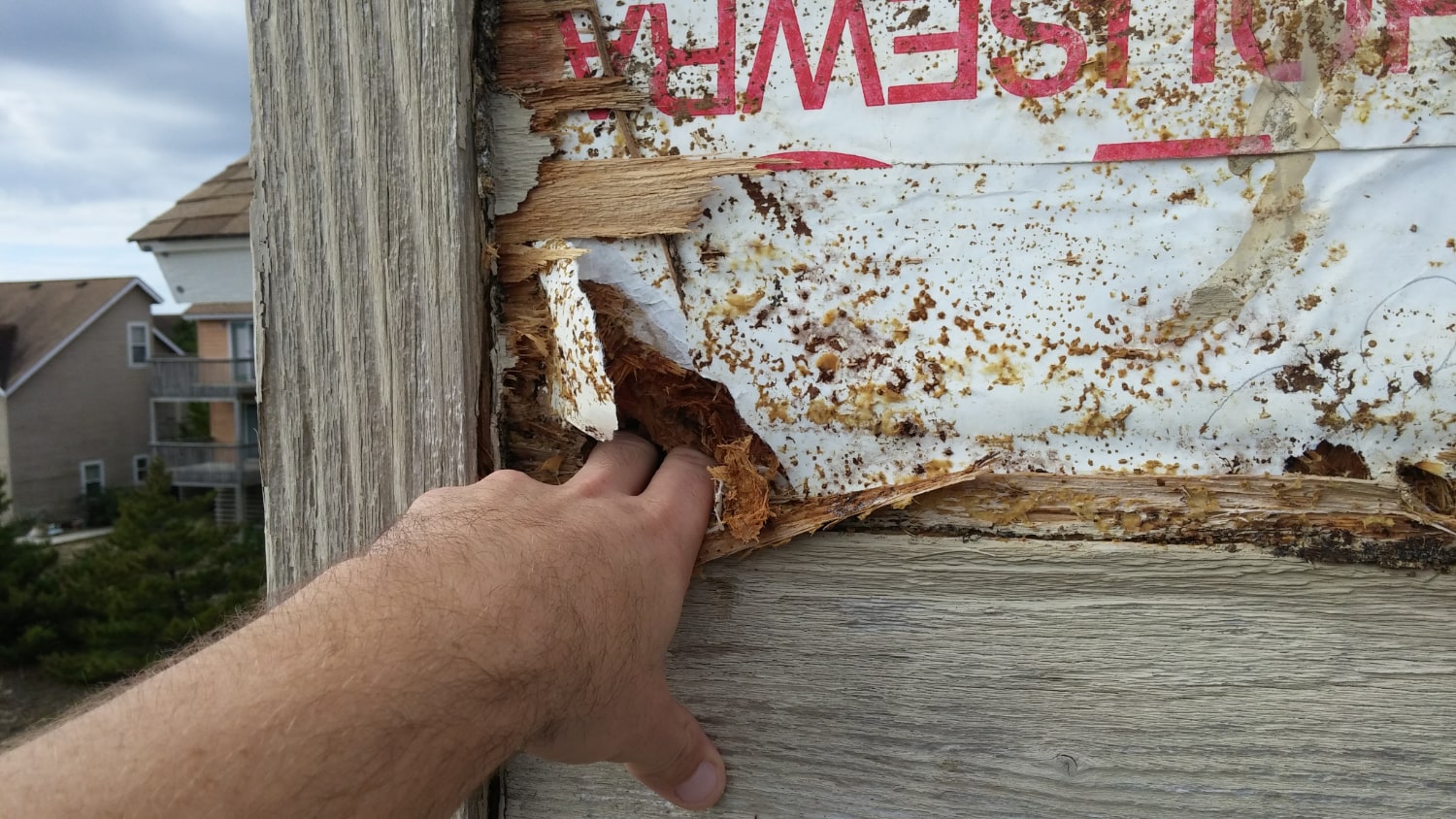
Dry rot is caused by the fungus Serpula lacrymans, which thrives in damp, poorly ventilated spaces. Despite its name, dry rot requires moisture to develop and spread. In Seattle’s consistently damp climate with relative humidity often exceeding 70 percent, this decay progresses rapidly, attacking cellulose in wood and leaving it brittle and structurally compromised.
Seattle’s Climate and Dry Rot Risks
Seattle receives 37-39 inches of rainfall annually, spread across roughly 155 rainy days. The constant drizzle means building materials rarely dry fully between storms, prolonging moisture exposure.
Homes in areas with limited sunlight or poor airflow face even greater risk. Without proper air circulation, moisture lingers, creating the damp environment dry rot fungi need to thrive. Overcast skies and frequent rain further reduce drying opportunities, making understanding and addressing these risks essential.
How Siding Protects Against Moisture
A quality siding system is your home’s first line of defense against moisture. It directs water away from the structure and ensures trapped moisture can dry out quickly. However, not all siding materials offer the same level of protection.
Materials like untreated wood or aging vinyl may absorb water or develop gaps and cracks, creating breeding grounds for fungal growth. Proper installation is just as critical as material choice. Effective siding installation involves flashing around windows and doors, precise caulking at seams and joints, and moisture barriers for added security. Without these measures, even durable siding fails to keep moisture out.
If water becomes trapped behind siding, it creates damp, stagnant conditions that allow dry rot fungi to thrive. This hidden damage leads to significant structural issues and expensive repairs.
Fiber Cement Siding: Top Choice for Seattle Homes
Seattle’s rainy climate brings unique challenges, especially when protecting homes from moisture and dry rot. Fiber cement siding stands out as a durable, reliable solution for these conditions.
What is Fiber Cement Siding?
Fiber cement siding is a composite material crafted from cement, sand, and cellulose fibers. This combination creates a highly durable and flexible product that resists cracking. The cement and sand provide a solid, moisture-resistant base, while cellulose fibers help it handle temperature changes without damage.
Unlike wood siding, fiber cement is inorganic, meaning it does not support mold or fungi growth. It is also non-combustible, providing peace of mind regarding fire safety. James Hardie is a well-known name in the fiber cement industry, offering products specifically designed to handle challenging climates like Seattle’s.
Why Fiber Cement Works for Seattle’s Climate
Fiber cement siding is a great match for Seattle’s wet weather. When installed correctly, it can last more than 50 years, requiring only occasional cleaning and repainting every 10-15 years.
Compared to wood siding—which demands frequent painting, sealing, and inspections to prevent rot—fiber cement is far less maintenance-intensive. Its cement-based composition makes it resistant to termites and other pests, and its fire-resistant properties are a valuable bonus in areas where wildfires might pose a risk.
| Siding Material | Moisture Resistance | Lifespan | Maintenance Needs | Fire/Pest Resistance |
|---|---|---|---|---|
| Fiber Cement | Excellent | 50+ years | Low | Yes |
| Cedar Wood | Good (with care) | 20-35 years | Moderate/High | Moderate |
| Vinyl | Good | 20-40 years | Low | Yes |
| Metal | Excellent | 40-60 years | Low | Yes |
Fiber cement’s durability and performance make it a practical choice for Seattle homes, while also offering style versatility.
Design Flexibility and Costs
Beyond toughness, fiber cement siding adds beauty while protecting against moisture and dry rot. It comes in a wide range of colors, textures, and styles, making it versatile for both modern and classic home designs.
James Hardie’s HardiePlank line offers various profiles and finishes to suit different tastes. Many manufacturers offer pre-finished options with warranties on color retention, so you can enjoy a fresh look without immediate repainting.
Fiber cement installation typically ranges from $7 to $12 per square foot. While this is a significant upfront investment, its long lifespan and low maintenance needs make it cost-effective in the long run.
Other Rot-Resistant Siding Materials
In addition to fiber cement, several other siding materials stand up to Seattle’s damp climate.
Rot-Resistant Wood Siding
Cedar and redwood naturally resist moisture and decay thanks to protective oils and tannins that help fend off rot, fungal growth, and insect damage.
Cedar is particularly popular in Seattle for its durability in wet conditions. Redwood offers comparable benefits with its own natural oils providing extra protection. With proper care, both materials can last 20-35 years.
However, even these woods need regular maintenance. Inspecting for cracks, peeling paint, or exposed areas prevents moisture intrusion. Applying high-quality sealant or paint adds another layer of defense, while keeping gutters clear ensures water does not pool near the siding.
Cedar and redwood siding typically cost $7-$14 per square foot installed, depending on grade and finish. Though the upfront investment can be higher than some alternatives, the authentic wood look and proven performance in Seattle’s climate often make it worthwhile.
Vinyl Siding
Vinyl siding is a synthetic option offering strong water resistance without ongoing maintenance required by natural wood. It does not rot, peel, or corrode, making it practical for Seattle’s rainy weather.
Modern vinyl comes in various colors and textures, some mimicking natural wood grain. It effectively prevents moisture intrusion and requires little more than occasional cleaning. With a lifespan of 20-40 years, vinyl provides dependable protection.
One of vinyl’s biggest advantages is affordability: $3-$7 per square foot installed makes it the most budget-friendly option for full siding replacement. Low maintenance requirements mean no spending on frequent painting or sealing.
Vinyl can become brittle in very cold temperatures and may fade with prolonged sun exposure. Higher-quality vinyl products resist minor expansion and contraction, but the material is not as impact-resistant as fiber cement or metal.
Despite these limitations, vinyl’s combination of cost-effectiveness, easy maintenance, and moisture resistance makes it popular for Seattle homeowners.
Metal and Engineered Wood Siding
Metal siding—including aluminum and steel—is known for exceptional moisture resistance. These materials do not swell, rot, or encourage mildew, and they are completely immune to insect damage. Metal siding can last 40-70 years, with installation costs ranging from $7-$12 per square foot.
While metal requires little maintenance, occasional inspections for dents or scratches ensure protective coatings remain intact. Many metal products are made from recycled materials, adding eco-friendly appeal.
Engineered wood siding combines the look of natural wood with enhanced moisture resistance. Made from wood fibers mixed with resins and additives, it resists rot, warping, and swelling. Engineered wood typically lasts 20-30 years and costs $6-$10 per square foot installed—between vinyl and premium natural wood in price.
While it requires more upkeep than vinyl or metal, engineered wood is far less demanding than traditional wood siding, making it a practical middle ground.
Installation and Maintenance for Dry Rot Prevention
Proper installation and regular maintenance are crucial for keeping siding effective against Seattle’s damp climate.
Proper Installation Requirements
Correct installation begins with placing an approved moisture barrier underneath the siding, acting as a secondary line of defense against water. Sealing all seams and joints with weatherproof caulk—especially around doors, windows, and corners where water tends to collect—is equally important.
Good drainage is essential. Gutters, downspouts, and proper landscape grading should direct water away from your home. Maintaining a gap between siding and ground prevents water from splashing back onto the siding.
Ventilation matters too. Keeping attic and crawl space vents clear ensures humidity levels stay below 60 percent, preventing mold and dry rot. Professional installers understand Seattle’s specific challenges—about 155 rainy days annually—and apply these practices accordingly.
Regular Maintenance Practices
Routine maintenance extends siding life. Homeowners should inspect siding twice a year—ideally in spring and fall—looking for cracks, soft spots, discoloration, or musty smells. Pay extra attention to areas where water tends to accumulate: corners, joints, and spots around windows and doors.
Annual cleaning removes debris, mold, and mildew that trap moisture. A gentle pressure wash or garden hose usually does the trick.
For wood siding, repainting or resealing every 3-5 years maintains its moisture barrier. Even naturally rot-resistant woods like cedar and redwood benefit from this extra protection. Keeping gutters and downspouts clear is critical to avoid water overflow that saturates siding.
Promptly repairing damaged or loose siding is essential. Ignoring issues leads to water intrusion and severe structural problems.
When to Call a Professional
Even with regular maintenance, professional help is sometimes necessary. If you notice soft, crumbling wood, ongoing moisture problems, or widespread mold, it is time to bring in an expert. These signs often indicate deeper structural issues that simple patching will not fix.
Persistent problems could also point to flaws in original installation or drainage setup, requiring professional diagnosis. For emergencies—such as broken or severely weather-damaged siding—immediate professional repairs are essential to stop further water intrusion.
Investing in expert maintenance and timely repairs pays off by protecting your home from costly damage in the long run.
Choosing the Right Siding for Long-Term Protection
Shielding your Seattle home from dry rot starts with selecting the right siding. Fiber cement stands out for its resistance to moisture, rot, fire, and pests, making it a reliable long-term solution. With a lifespan exceeding 50 years and minimal maintenance needs, it is a smart investment for Seattle’s damp climate.
The key to maximizing siding performance lies in proper installation and upkeep. Without expert installation, issues like poor sealing, inadequate flashing, or improper drainage leave your home vulnerable to water damage. Professional installers ensure these critical elements are addressed, reducing water intrusion risk.
Beyond installation, regular maintenance—clearing gutters, inspecting for damage, and making timely repairs—keeps siding in top shape and protects your home from the elements. Combining high-quality materials with professional expertise is the ultimate strategy for safeguarding your home in Seattle’s 155-rainy-day climate.
Ready to protect your home from dry rot? Explore our dry rot repair services or call (425) 517-1751 for a free inspection.
Not sure how bad yours is?
Send a photo or describe the spot over the phone. We will tell you whether it is a patch, a section, or something structural before anyone comes out.
Mon–Fri, 7:00am – 5:00pm
Questions homeowners ask us about this
What are the common signs of dry rot in Seattle homes, and how can homeowners spot it early?
Is fiber cement siding a cost-effective choice for Seattle homes when considering installation and long-term maintenance?
What maintenance tips can help extend the life of fiber cement siding in Seattle's rainy climate?
Why is proper installation more important than siding material choice for preventing dry rot?
Read next
- Dry Rot
What Causes Dry Rot in Pacific Northwest Homes?
Understand what causes dry rot in Seattle homes, from persistent rain to poor ventilation, and how to prevent structural damage with proven strategies.
- Installation
Best Siding Materials to Prevent Dry Rot
Which siding best prevents dry rot in Seattle's wet climate? Fiber cement and metal siding resist moisture and rot best—full comparison from local repair experts.
- Dry Rot
5 Moisture Control Tips to Prevent Dry Rot
Five proven moisture-control steps to prevent dry rot: improve ventilation, fix leaks promptly, clean gutters, seal exposed wood, and schedule inspections.
Get a straight answer on your siding, trim, or rot
Free estimate, no obligation, and usually a slot the same week. We cover Seattle, Bellevue, Redmond, Kirkland, Bothell, and Tacoma.
Mon–Fri, 7:00am – 5:00pm · Free estimates · Same-week scheduling