Best Siding Materials to Prevent Dry Rot
Which siding best prevents dry rot in Seattle's wet climate? Fiber cement and metal siding resist moisture and rot best—full comparison from local repair experts.
By Seattle Trim Repair · Published · Updated
Seattle’s damp climate makes choosing the right siding critical to prevent dry rot. Homes face constant exposure to rain, with 155 rainy days per year on average. Dry rot, caused by fungi thriving in moist wood, leads to costly structural damage. Selecting siding material that resists moisture and requires minimal upkeep is essential for long-term protection.
Fiber cement siding is the top choice for Seattle homes: durable, moisture-resistant, and low-maintenance with a 50-plus-year lifespan. Metal siding offers comparable performance with even longer life expectancy. Vinyl provides budget-friendly moisture resistance. Wood (cedar/redwood) delivers classic aesthetics but demands high maintenance. Engineered wood combines wood look with improved moisture resistance.
| Material | Durability | Maintenance | Cost Tier | Moisture Resistance | Dry Rot Prevention |
|---|---|---|---|---|---|
| Fiber Cement | High | Low | Mid-High | Excellent | Excellent |
| Vinyl | Moderate | Low | Budget | Good | Good |
| Cedar/Redwood | Moderate | High | Mid-High | Moderate | Good (with care) |
| Metal | High | Low | High | Excellent | Excellent |
| Engineered Wood | Moderate | Moderate | Mid | Good | Good |
Fiber cement and metal siding are top choices for durability and minimal upkeep. Vinyl offers budget-friendly option, while engineered wood balances wood aesthetics with better moisture resistance. Proper installation and maintenance are crucial for all materials to ensure lasting performance in Seattle’s wet conditions.
Fiber Cement Siding
Fiber cement siding is a reliable solution for combating dry rot in Seattle’s consistently damp climate. Crafted from cement, sand, and cellulose fibers, this material is designed to withstand moisture that often leads to dry rot. The cement and sand create a dense, water-resistant shield, while cellulose fibers add strength and flexibility. Together, these elements form a siding option that performs far better than natural wood in wet conditions.
One standout feature of fiber cement siding is its low maintenance needs. With a lifespan of 50 years or more, it significantly outlasts wood siding, which typically lasts around 35 years. Maintenance is straightforward—usually just quick cleaning with a pressure washer or soft brush and mild detergent.
Aside from moisture resistance, fiber cement brings other key advantages. It is non-combustible, resistant to termites, and highly adaptable in design. Available in various colors, textures, and styles, it can replicate the look of wood, stone, or brick without upkeep these natural materials often demand.
Whether you prefer vertical or horizontal layouts, or even pre-finished or pre-painted options, fiber cement siding offers plenty of flexibility. Its ability to hold paint well also adds an extra layer of moisture protection. These qualities make it a popular choice for Seattle homeowners.
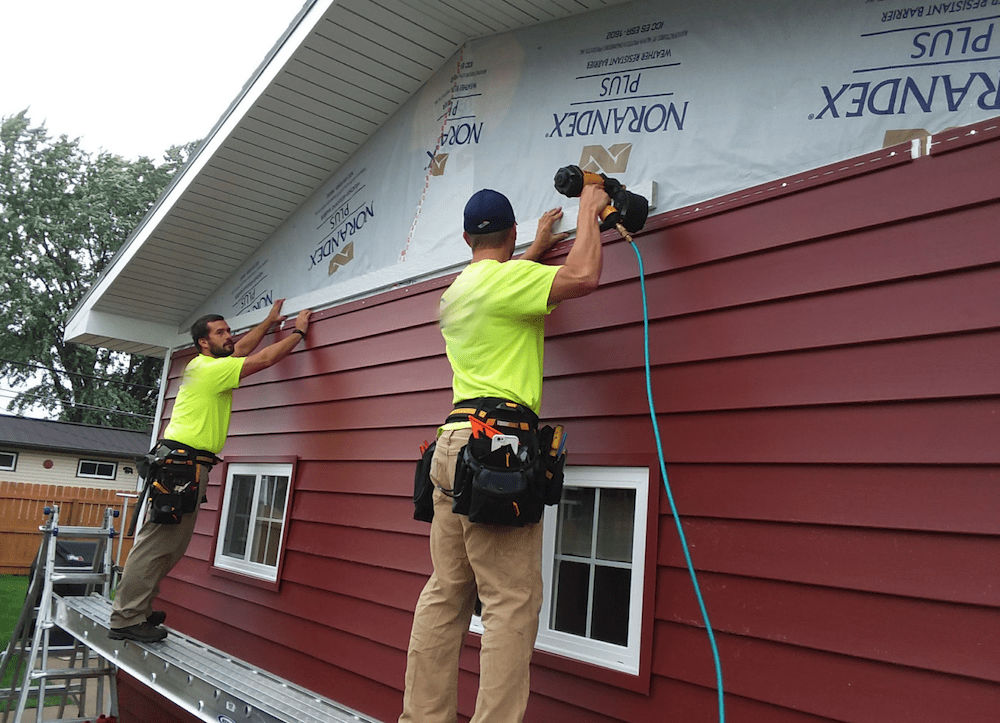
Proper installation is crucial to fully benefit from fiber cement siding. Issues like poor sealing or flashing weaken its water resistance. Professional installation ensures your home gets the best protection against dry rot.
While upfront cost of fiber cement siding is on par with other premium materials ($7-$12 per square foot installed), its longevity and low maintenance make it a cost-effective investment for Seattle homeowners.
Vinyl Siding
Vinyl siding, crafted from polyvinyl chloride (PVC), is a cost-effective and water-resistant option that performs well in Seattle’s damp climate. It stands up to challenges like rotting, peeling, and corrosion, making it a practical choice for many homeowners.
One of vinyl siding’s biggest draws is affordability. It delivers decent performance without breaking the bank, and its low-maintenance nature adds appeal. A quick rinse with garden hose or wash with mild detergent is usually all it takes to keep it looking clean.
Vinyl is naturally resistant to pests like termites and wood-boring insects, saving money on repairs over time. Some vinyl siding products include insulation backing, which helps improve energy efficiency—a nice bonus in Seattle’s cooler months.
However, vinyl siding has challenges. It tends to expand and contract with temperature changes, which can lead to cracking in Seattle’s variable weather. These cracks let water seep through to structure beneath, increasing dry rot risk. Proper installation is critical: ensuring tight seals at joints, using durable flashing, and applying high-quality sealants around windows and doors are essential steps to prevent moisture issues.
Another consideration is lifespan. Vinyl siding does not last as long as fiber cement or metal siding. While fiber cement can last 50 years or more, vinyl requires regular inspections to catch issues like cracking, warping, or separation—especially after significant temperature swings. Identifying and addressing these problems early helps avoid costly water damage.
For Seattle homeowners looking for affordable, low-maintenance siding option, vinyl can be solid choice when installed correctly. Professional installation that accounts for thermal expansion and includes proper flashing and moisture barriers ensures your home stays protected from Seattle’s notorious rain.
Installation typically ranges from $3 to $7 per square foot, making it the most budget-friendly full siding replacement option. With lifespan of 20-40 years and minimal upkeep requirements, vinyl delivers reliable moisture protection for value-conscious homeowners.
Wood Siding (Cedar and Redwood)
When it comes to siding options, wood offers natural charm that is hard to replicate. Cedar and redwood, in particular, have timeless appeal that resonates with many Seattle homeowners. Their warm, organic look pairs beautifully with the region’s lush forests and coastal vibes.
One reason cedar and redwood are popular is their natural resilience. Cedar contains tannins and natural oils that deter rot and insect damage without relying on chemical treatments. Redwood shares similar protective properties, making both types of wood solid choices for those who prefer eco-friendly materials.
However, even these natural defenses have limits. Seattle’s weather, with roughly 155 rainy days each year, quickly wears down wood’s protective qualities. Without consistent upkeep, moisture leads to rot, warping, and insect problems.
To protect wood siding from Seattle’s relentless moisture, homeowners need to commit to routine maintenance. This includes painting, staining, and sealing wood regularly. It is also essential to dry wet areas within 48 hours and keep indoor humidity levels below 60 percent. Professional inspections catch early signs of trouble—like cracking, fading, or mold—before they turn into costly repairs.
Cedar and redwood siding typically cost $7-$14 per square foot installed, depending on grade and finish. Though upfront investment can be higher than some alternatives, authentic wood look and proven performance in Seattle’s climate often make it worthwhile.
While beauty of cedar and redwood is undeniable, upkeep and shorter lifespan (20-35 years) compared to fiber cement siding make them pricey long-term choices. Cedar and redwood siding can hold their own in Seattle’s wet environment, but they demand dedication.
Metal Siding
Metal siding offers practical solution for preventing dry rot by avoiding materials prone to decay. Unlike wood or other organic options, aluminum and steel are impervious to rot, making them smart choices for Seattle homeowners dealing with persistent moisture issues.
When it comes to metal siding in Pacific Northwest, aluminum and steel are most common materials. Aluminum is particularly resistant to swelling, rot, rust, and mildew—problems often caused by Seattle’s wet weather. Steel siding shares similar moisture resistance but can develop patina over time. Some homeowners appreciate this natural weathered look, while others opt for protective coatings or paint to maintain clean appearance.
One of biggest draws of metal siding is durability. When properly installed, it can last 50 years or more with minimal maintenance. Unlike wood siding, it does not require regular painting, washing, or constant monitoring for moisture damage. For busy homeowners, this low-maintenance option offers reliable protection without ongoing upkeep that materials like cedar demand.
Seattle’s weather actually highlights strengths of metal siding. It withstands moisture and temperature fluctuations without warping or cracking, and it sheds water quickly rather than absorbing it. Steel siding, in particular, performs exceptionally well near coast, holding up against heavy rain and strong winds that can wear down other materials over time.
Metal siding does have a few drawbacks. Denting is common concern—hail, falling branches, or accidental impacts leave noticeable marks. Steel can also rust if protective coating is damaged, though this is avoidable with proper care. While upfront cost is comparable to high-end wood siding ($7-$12 per square foot installed), it is not necessarily budget-friendly option.
Aesthetically, metal siding offers sleek, modern look that pairs beautifully with contemporary designs. It is available in range of colors and finishes, allowing for customization. However, if you prefer natural warmth of wood, metal may feel too industrial.
As with any siding material, proper installation is key. Even though metal itself resists moisture, poor installation can trap water behind siding, potentially damaging underlying structure. Seams and fasteners must be sealed correctly, and proper ventilation ensures any moisture that gets through can dry out quickly.
For environmentally conscious homeowners, metal siding has another advantage: many products are made from recycled materials, and siding itself is recyclable at end of its lifespan. Its longevity (40-70 years) and recyclability make it eco-friendly choice for those looking to reduce waste.
Metal siding also provides additional benefits, such as fire resistance and protection against pests like termites and carpenter ants, which often plague wood materials. These features add extra layer of security for your home’s exterior.
Engineered Wood Siding
Engineered wood siding offers charm of natural wood while addressing one of its biggest weaknesses: moisture damage. Made from mix of wood fibers, synthetic resins, and wax, this material is designed to look like traditional wood siding but with added protection against damp conditions that often plague natural wood in Pacific Northwest.
Unlike natural wood, engineered wood is built to resist moisture from start. Combination of resins and wax creates barrier that limits water absorption, which is main cause of dry rot. While woods like cedar and redwood have natural tannins that help resist decay, they still soak up water and require constant maintenance. Engineered wood minimizes these issues, maintaining shape and durability even in high humidity or fluctuating temperatures—conditions that can cause natural wood to warp, swell, or rot.
Another advantage of engineered wood siding is ease of maintenance. Many products come pre-primed or pre-painted straight from factory, meaning less work during installation and fewer touch-ups later. Unlike cedar, which often needs regular staining or sealing, engineered wood holds finish longer, saving both time and money over years.
When it comes to cost, engineered wood is middle-ground option, typically ranging from $6 to $10 per square foot installed. It is more expensive than basic vinyl siding but can be comparable to—or even cheaper than—high-end fiber cement siding. While price of natural cedar varies depending on quality and grade, engineered wood strikes balance between durability and reduced upkeep.
Engineered wood has drawbacks. Because it is relatively new, there is not enough long-term performance data to compare it to materials like fiber cement, which can last 50 to 100 years. Additionally, some homeowners might still prefer authenticity of real cedar or redwood, even if it means dealing with higher maintenance demands.
Proper installation is key to getting most out of engineered wood siding. Features like high-quality flashing and moisture barriers around windows and doors are essential to prevent water intrusion. Installers should leave enough space to allow for minor expansion and contraction, and caulking around openings should be done carefully.
Even though it is easier to maintain than natural wood, engineered wood still requires periodic care. Regular inspections—especially after severe weather—help catch issues like damage or separation early. Checking for peeling or fading in pre-painted finish and applying touch-ups when necessary further extends lifespan.
Engineered wood siding performs well in Seattle’s wet and unpredictable climate. When installed with proper ventilation, any moisture that gets through outer layer can dry out quickly, reducing dry rot risk. For homeowners who want look of wood without constant upkeep, engineered wood siding is practical solution.
Proper Installation: The Critical Factor
Even the most durable siding fails if improperly installed. In Seattle’s wet climate, proper installation means:
- Using approved moisture barrier underneath siding
- Sealing all seams and joints with weatherproof caulk
- Installing proper flashing around windows, doors, and penetrations
- Incorporating rainscreen system (3/8 to 3/4-inch air gap) for drainage and ventilation
- Maintaining proper clearances from ground and landscaping
- Ensuring adequate attic and crawl space ventilation to keep humidity below 60 percent
Professional installers familiar with Seattle’s 155 rainy days annually understand these critical elements and prevent common failure points that lead to dry rot regardless of material quality.
Choosing the Right Siding for Long-Term Protection
Picking right siding material is key step in shielding your Seattle home from dry rot. Fiber cement and metal siding are top choices for Pacific Northwest’s wet climate. These materials excel at resisting moisture.
Fiber cement not only mimics look of wood but also stands up to rot, fire, and insects. Metal siding handles heavy rain and wind without falling victim to moisture problems that affect other materials. For those who prioritize natural aesthetics, cedar and redwood naturally resist rot thanks to their oils and tannins, but they require consistent maintenance like sealing, painting, or staining. Engineered wood offers similar appearance with better moisture resistance and less upkeep.
However, even most durable siding will not perform as intended without proper installation and moisture control. Ensuring secure fittings, good drainage, and adequate ventilation is essential to handle Seattle’s demanding weather.
Combining high-quality materials with professional expertise is ultimate strategy for safeguarding your home. Professional services provide expert solutions tailored to Seattle’s rainy conditions—including thorough dry rot inspections and repair services. Attention to detail ensures critical elements are addressed, reducing water intrusion risk and protecting your home for decades in Seattle’s 155-rainy-day climate.
Ready to protect your home from dry rot? Explore our siding installation services or call (425) 517-1751 for a free consultation.
Not sure how bad yours is?
Send a photo or describe the spot over the phone. We will tell you whether it is a patch, a section, or something structural before anyone comes out.
Mon–Fri, 7:00am – 5:00pm
Questions homeowners ask us about this
What should I look for in siding materials to protect against dry rot in Seattle's wet climate?
How does fiber cement siding compare to other materials in preventing dry rot and lasting in wet climates?
What are the best practices for installing siding to protect against moisture problems?
Is metal siding practical for Seattle homes, or is it only for modern designs?
Read next
- Dry Rot
Dry Rot Prevention: Best Siding for Seattle Homes
Protect your Seattle home from dry rot by choosing the right siding material and ensuring proper installation and maintenance.
- Siding Repair
Best Siding for Seattle's Rainy Weather
Compare fiber cement, vinyl, wood, engineered wood, and metal siding for Seattle's wet climate—moisture resistance, maintenance, lifespan, and cost.
- Installation
Top 5 Durable Siding Options for Seattle Homes
James Hardie fiber cement, cedar, and LP SmartSide lead for Seattle durability. Compare lifespan, maintenance, and moisture resistance for wet climates.
Get a straight answer on your siding, trim, or rot
Free estimate, no obligation, and usually a slot the same week. We cover Seattle, Bellevue, Redmond, Kirkland, Bothell, and Tacoma.
Mon–Fri, 7:00am – 5:00pm · Free estimates · Same-week scheduling