
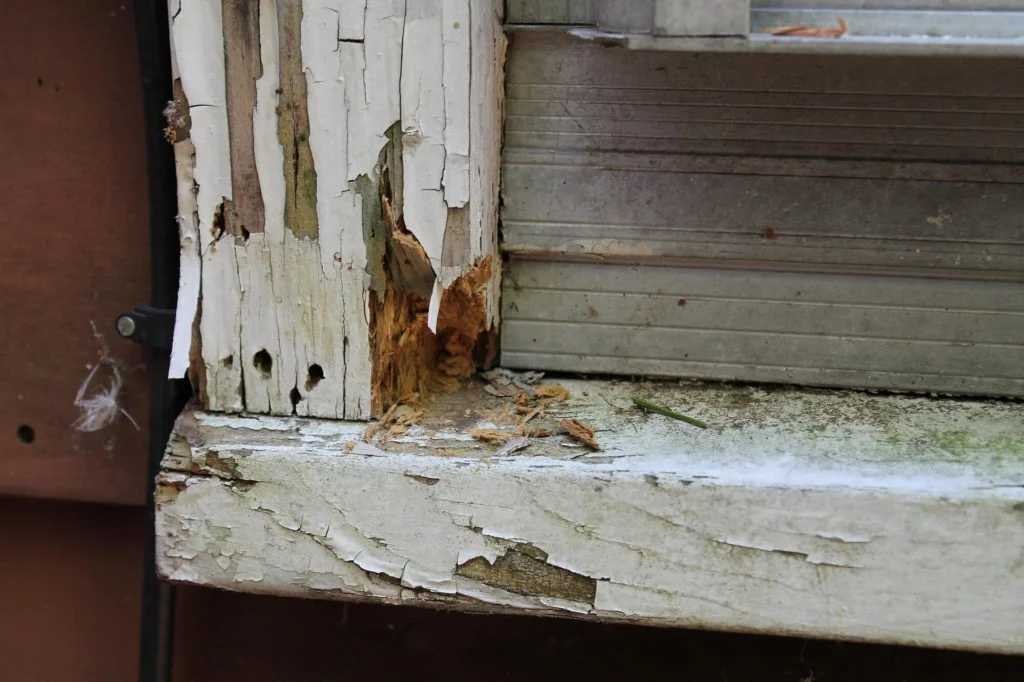
Top Materials for Durable Exterior Trim Installation
Compare fiber cement, PVC, fiberglass, and aluminum trim for Seattle homes. Learn which materials resist moisture, last longest, and require the least maintenance.
By Seattle Trim Repair · Published · Updated
Your home’s exterior trim endures constant assault from rain, wind, temperature swings, and pests. In Seattle, where the climate averages 155 rainy days per year, moisture is the primary threat. Choosing the right trim material is not just about appearance—it is about protecting your home from decay and avoiding costly repairs. This guide examines six durable trim options, comparing their moisture resistance, longevity, maintenance requirements, and cost to help you make an informed decision for your Seattle-area home.
Traditional wood trim has served homes for generations, but modern engineered materials now offer superior performance in wet climates. Each material brings distinct advantages: some eliminate rot risk entirely, others provide exceptional strength, and some balance cost with reliable performance. Understanding these differences allows you to select trim that matches your home’s needs, your maintenance preferences, and your budget.
Fiber Cement Trim
Fiber cement trim combines cement, sand, and cellulose fibers into a material that replicates wood’s appearance without its vulnerabilities. The cement and sand provide strength and weather resistance, while cellulose fibers add flexibility and impact resistance. Products like James Hardie® Artisan Siding deliver the clean lines and timeless style of wood with modern durability.
Moisture resistance is exceptional. Fiber cement does not rot, resists termite damage, and is fire-resistant—it will not burn. Its low water absorption prevents the swelling, warping, and decay that plague wood in Seattle’s damp conditions. This makes it particularly suitable for ground-level trim and areas with constant moisture exposure.
Durability places fiber cement among the top trim choices. It withstands extreme weather from heavy snow to high winds without significant wear. Temperature and moisture changes cause slight expansion and contraction, so proper installation with adequate spacing is essential, but when installed correctly fiber cement often carries a 30-year limited warranty. Its fire-resistant and non-combustible properties appeal especially to homeowners in wildfire-prone regions.
Maintenance requirements are low. Occasional repainting refreshes appearance, but intervals are much longer than wood demands. Many fiber cement products come pre-primed or pre-painted, and the material holds paint and stain better than engineered alternatives, requiring touch-ups every 10 to 15 years rather than every 3 to 5.
Cost runs $0.50 to $10 per linear foot for materials, with total installed cost of $3.00 to $8.00 per linear foot. While more expensive upfront than solid wood, fiber cement delivers better long-term value through lower maintenance needs and 30 to 50 year lifespan. Its density requires specialized tools and professional installation, adding to initial cost, but proper installation ensures the trim performs as intended and retains warranty coverage.
Cellular PVC Trim
Cellular PVC trim is synthetic material designed to replicate wood without natural material drawbacks. Made from cellular polyvinyl chloride with consistent density, it minimizes waste during installation and can be shaped and routed into custom designs for various architectural styles.
Moisture resistance is complete. Unlike wood that absorbs water and swells, cellular PVC is totally moisture-proof. This makes it ideal for Seattle’s 155 annual rainy days. It does not swell or shrink significantly with humidity changes, so it holds paint better and maintains appearance even in fluctuating weather. Trim installed near the ground or in consistently damp areas benefits most from PVC’s imperviousness.
Durability is excellent for long-term performance with minimal upkeep. Drawing on proven weather resistance of vinyl used in windows and siding, cellular PVC withstands UV exposure, insect damage, and rot. With flexural modulus of 130,000 psi, it resists bending and warping, retaining shape over decades. Whether exposed to snow, intense sun, high winds, or extreme temperature shifts, cellular PVC remains stable. It has a lower thermal expansion rate than polyurethane, reducing movement from temperature changes, though proper installation with adequate spacing remains important.
Maintenance is minimal. The smooth surface cleans easily and requires no regular painting or special treatments. Color runs through the entire material, making it resistant to fading, peeling, or chipping. While painting is optional for customization, it is unnecessary for durability. These low-maintenance features save time and money over the material’s lifespan.
Cost ranges from $0.50 to $10 per linear foot, roughly half the price of comparable polyurethane boards. While more expensive than budget options like basic fiber cement or engineered wood, reduced maintenance and labor costs make it a practical long-term investment. Ease of installation and minimal upkeep enhance cost efficiency, making cellular PVC a smart choice for homeowners seeking lasting performance.
Fiberglass (GFRP) Trim
Fiberglass trim, also known as glass fiber reinforced polymer, combines glass fibers with polymer resin to create a strong, lightweight material. With impressive flexural strength of 20,000 psi and tensile strength of 18,000 psi, it can be molded into intricate designs that mimic high-end materials.
Durability stands out. Fiberglass trim resists rot, pests, freeze-thaw cycles, and UV damage while maintaining structural integrity in tough weather. Its dimensional stability across wide temperature ranges, paired with Class A flame-retardant properties, makes it reliable for demanding projects.
Moisture resistance is nearly total. Unlike wood, fiberglass does not absorb water, so it will not swell, warp, or rot when exposed to rain, snow, or high humidity. This makes it especially useful in coastal areas or places like Seattle where moisture threatens traditional materials year-round.
Maintenance is minimal. Fiberglass does not require frequent painting, staining, or protective treatments. Occasional cleaning keeps it looking great, and painted finishes typically last years before needing touch-ups.
Cost and installation place fiberglass in the mid-to-premium range, costing more upfront than wood but delivering value through durability and low maintenance. Its weight—heavier than cellular PVC—requires specialized fasteners and installation techniques. For demanding projects like commercial buildings or upscale homes, professional installation ensures optimal long-term performance.
Glass Fiber Reinforced Concrete (GFRC) Trim
GFRC trim blends concrete with glass fibers, allowing intricate designs that closely resemble cast stone or masonry. While detailed performance data is limited, GFRC is widely regarded as a high-end choice for exterior applications.
Durability and performance suit upscale environments. Its reinforced structure provides fire resistance and weather durability, making it suitable for high-risk areas. Although precise strength metrics are not commonly published, industry professionals highlight its reliability for both residential and commercial projects. Its construction makes it more resistant to moisture penetration than traditional wood trim.
Moisture resistance comes from its concrete-based composition, offering better protection against water infiltration compared to wood. This appeals particularly in regions with high humidity or frequent rainfall like the Pacific Northwest. Review product specifications and consult experts to ensure GFRC fits your location’s conditions.
Maintenance and cost are straightforward. GFRC requires minimal upkeep—simple cleaning with mild soap and water typically suffices. However, its specialized material and installation process command a higher price. For homeowners prioritizing long-term durability and minimal maintenance, the upfront investment delivers worthwhile returns. GFRC’s ability to create ornamental, decorative elements with low ongoing care makes it attractive for custom projects.
Molded Polyurethane Trim
Molded polyurethane trim is lightweight synthetic material specifically designed for decorative exterior use. Its molding process allows custom profiles, and its resistance to moisture and insects reduces maintenance needs. Light weight simplifies installation, though custom molding increases costs.
Durability performs well in decorative applications. With screw withdrawal strength of 143 pounds and capacity to support structural loads up to 225 psf, it proves reliable for ornamental use. However, this material is not designed for load-bearing purposes—it works best for cornices, moldings, and accent trim, not for structural elements like columns or beams that handle significant weight.
Moisture resistance excels in high-moisture environments. Polyurethane is completely resistant to rot and insect damage, making it ideal for humid climates, regions with frequent rainfall, or coastal areas exposed to salt spray. It provides dependable protection against water infiltration and holds up well under harsh weather throughout the year.
Maintenance is minimal. Color embeds throughout the material, so it will not fade, peel, or chip over time. Cleaning requires only soap and water. For homeowners wanting decorative exterior elements without hassle, this feature is especially appealing.
Cost is generally higher than some alternatives, reflecting performance and customization capabilities. While upfront expense is greater, moisture resistance and ability to accommodate highly customized designs can make it worthwhile. For homeowners in high-moisture areas who value low-maintenance decorative elements, long-term benefits often offset initial investment.
Aluminum Trim
Aluminum trim combines lightweight design with excellent corrosion resistance, making it practical for various exterior applications, especially in moisture-prone areas. Unlike heavier materials like fiber cement, aluminum installs easily. It does not rot, decay, or attract insects—offering clear advantages over wood in damp climates.
Durability is excellent. Thanks to sturdy metal construction, aluminum resists corrosion when properly finished, holding up well across different weather conditions. This ensures the material retains structural integrity over time, making it dependable for long-term use.
Moisture resistance is a standout quality. Aluminum does not absorb water, making it ideal for high-humidity or frequent-rainfall areas. In Seattle, where moisture is constant, aluminum provides reliable protection. While finishing and sealing prevent oxidation, the material itself is inherently water-resistant.
Maintenance is easy. Aluminum requires only periodic cleaning and occasional repainting to guard against oxidation. Compared to wood options like cedar or redwood that need regular staining and sealing, aluminum’s maintenance demands are far less intensive.
Cost falls into the mid-range category for exterior trim. While it costs more than basic vinyl or PVC, it can be comparable to or less expensive than premium fiber cement. Upfront cost balances with durability and reduced maintenance needs, making it cost-effective over time. For homeowners seeking practical performance and affordability, especially for soffit repairs or modern facades, aluminum trim is a solid option.
Material Comparison Summary
Choosing the right trim involves weighing multiple factors. Here is how the six materials compare:
For complete waterproofing, cellular PVC and aluminum stand out in Seattle’s wet climate with 155 rainy days annually. Both are fully impervious to moisture.
For durability and fire resistance, fiber cement, fiberglass, and GFRC combine moisture resistance with structural strength and fire protection, though they often require professional installation and specialized tools.
For ease of installation, cellular PVC and aluminum are lighter and more DIY-friendly than fiber cement or fiberglass, which demand careful handling and expertise.
For long-term cost, balance initial investment against maintenance and replacement needs over 20 to 30 years. Fiber cement and cellular PVC cost more upfront but save money through reduced maintenance. Wood may seem cheaper initially but demands regular care and earlier replacement.
For appearance, fiber cement mimics wood convincingly, GFRC replicates stone or masonry, and molded polyurethane offers ornamental versatility. PVC and aluminum provide clean, modern lines.
In Seattle’s challenging weather, professional installation ensures trim performs as intended and lasts for decades. Proper flashing, sealing, and fastening techniques tailored to each material prevent moisture intrusion and structural issues. For expert trim installation that handles the Pacific Northwest’s moisture challenges, call (425) 517-1751 to discuss the best materials and methods for your home.
Not sure how bad yours is?
Send a photo or describe the spot over the phone. We will tell you whether it is a patch, a section, or something structural before anyone comes out.
Mon–Fri, 7:00am – 5:00pm
Questions homeowners ask us about this
Why is cellular PVC trim a great choice for Seattle's wet climate?
Is fiber cement trim cost-effective compared to other materials over time?
What should I consider when choosing between fiberglass and aluminum trim for coastal or wet areas?
Which trim material requires the least maintenance in Seattle's rainy climate?
Read next
- Trim Repair
Ultimate Guide to Preventing Trim Rot
Prevent trim rot in Seattle's damp climate with the right materials, proper installation techniques, and a maintenance routine that works.
- Dry Rot
What Causes Dry Rot in Pacific Northwest Homes?
Understand what causes dry rot in Seattle homes, from persistent rain to poor ventilation, and how to prevent structural damage with proven strategies.
Get a straight answer on your siding, trim, or rot
Free estimate, no obligation, and usually a slot the same week. We cover Seattle, Bellevue, Redmond, Kirkland, Bothell, and Tacoma.
Mon–Fri, 7:00am – 5:00pm · Free estimates · Same-week scheduling