
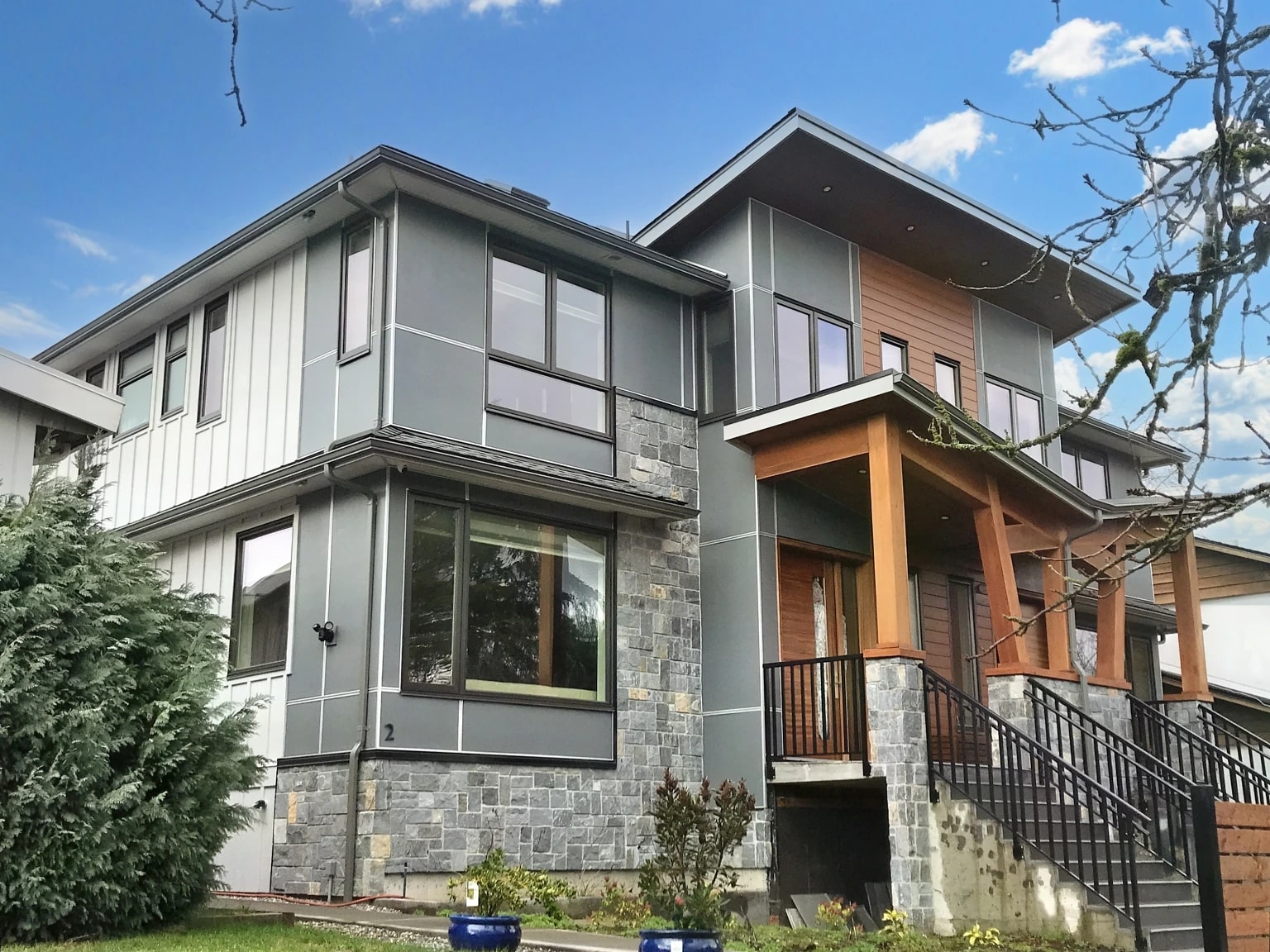
Seattle Weather and Cedar Siding Cracks
Seattle's rain, humidity and UV accelerate cedar siding cracks. Learn inspection tips, repair methods, costs, and prevention for Pacific Northwest homeowners.
By Seattle Trim Repair · Published · Updated
Seattle’s constant moisture puts exceptional stress on cedar siding. With 155 rainy days per year and persistent Puget Sound humidity, unsealed or aging cedar absorbs water through cracks, nail holes, and failed finishes. When wood moisture exceeds 20 percent, structural weakening and rot follow quickly.
Cedar siding offers natural beauty and rot resistance, but those qualities only hold up with proper maintenance in the Pacific Northwest. Understanding how Seattle weather damages cedar and catching cracks early can save thousands in repair costs.
Why Seattle’s Weather Damages Cedar Siding
Seattle’s weather pattern is uniquely destructive to wood siding. The issue is not dramatic downpours but near-constant drizzle from October through May that prevents cedar from drying out between rain events.
Moisture and Humidity Problems
Seattle receives over 37 inches of annual rainfall spread across 155 days. This steady dampness allows moisture to seep into wood through unsealed edges, nail holes, and failing sealants. When wood moisture content rises above 20 percent, it becomes structurally weaker and vulnerable to fungal decay.
High humidity levels compound the problem. Cedar absorbs moisture from the air, swells, and then contracts during dry spells. This repeated swelling and shrinking weakens the wood fibers over time, eventually leading to stress cracks. Marine air from Puget Sound keeps humidity elevated even on days without rain, creating a perpetually damp microclimate around your home’s exterior.
Temperature Changes and Wood Movement
Seattle’s seasonal shift from the dry summer months (July through October) to the wet season causes cedar to expand and contract. This cycling stresses the wood fibers and contributes to cracking. South-facing and west-facing walls suffer the most because they receive more direct sunlight, which accelerates the degradation of sealants and causes paint to crack.
Over time, this repeated movement results in splitting, warping, and cracks that allow even more moisture to penetrate the wood.
Sun Damage and Surface Cracking
Seattle’s dry summers bring intense UV exposure that dries out cedar’s surface, causing small cracks known as checking. These surface cracks weaken the protective barrier, making it easier for water to seep in once the rainy season returns.
Unprotected cedar siding can start breaking down after just five years of exposure. Wind-driven rain worsens the problem by forcing water into these cracks, which can lead to rot in the underlying structure. Cedar siding should be painted or stained within two weeks of installation and re-stained every two to three years or repainted every four to five years to protect it from UV damage.
How to Inspect Cedar Siding for Cracks
Regular inspections are essential in Seattle’s climate. Checking your siding twice a year – in spring and fall – helps you address problems before they escalate.
What to Look For
Keep an eye out for surface cracks, deep splits, warping, buckling, or curling boards. If boards appear to be pulling away from the house, moisture has likely seeped into the wood and caused permanent swelling.
Check for peeling, bubbling, or cracking paint – these are warning signs that the protective finish is failing. Pay close attention to nail heads, as nails driven too deeply can leave small holes that allow water penetration.
Dry rot can be tricky to detect early on, but over time the wood will feel soft and spongy when you press on it with your thumb or a screwdriver. Cedar that has lost its natural oils is especially prone to decay.
Testing Moisture Levels
A moisture meter is an affordable tool that measures how much water your cedar siding is holding. Healthy cedar typically maintains a moisture content of 9 to 14 percent. If readings exceed 15 percent, the wood is retaining enough moisture to support decay and increase the risk of rot.
Focus on testing areas that tend to stay damp longer: shaded walls, north-facing sides, and sections near the ground. These areas are especially vulnerable in Seattle’s climate.
High-Risk Areas to Check
North-facing walls and shaded areas are particularly vulnerable because they get less sunlight and stay damp longer. This makes them prone to moss, algae, or mildew growth. The bottom edges of siding boards are another high-risk spot – if these drip edges are not properly sealed, they can wick moisture into the wood.
Pay close attention to areas around windows and doors, as these are common locations for leaks and water seepage. Inspect the foundation line and any sections where the yard slopes toward the house, as standing water can accumulate there. Finally, check the flashing and caulking around joints, which are frequent entry points for moisture.
How to Repair Cracked Cedar Siding
The repair approach depends on the severity of the damage. Your options range from sealing small cracks to replacing entire boards or addressing structural rot.
Fixing Small Cracks
For minor cracks under 2 feet long, epoxy or wood filler is your best solution. These materials seal the crack and keep moisture out. Clear away any loose debris from the crack, apply the filler following the product instructions, and once dry, sand the area smooth, prime the wood, and finish with two coats of acrylic latex paint.
Tackle small cracks quickly. If water seeps behind the siding, it can cause the underlying structure to swell and create even more cracks. Use a flexible caulk between boards to allow for natural wood expansion.
Replacing Damaged Boards
When cracks or damage extend beyond 2 feet but stay under 8 feet, replacing the affected boards is more practical than patching. Cut back to solid, undamaged wood to ensure a secure fit for the replacement. Before installing the new board, prime all sides and edges to block moisture from soaking into the wood.
Seal any nail holes and use a high-quality elastomeric sealant along the seams. Proper flashing at the joints is critical in Seattle, where wind-driven rain can sneak into even tiny gaps.
Handling Severe Damage
When damage spans more than 8 feet or involves rot, simple patching will not work. Signs of severe damage include soft, spongy wood, a musty odor, or bubbling paint. These indicate the rot may have reached deeper layers like the sheathing or framing.
Remove all damaged wood and treat the surrounding area with EPA-approved fungicides to stop further fungal decay. Check the underlying structure – studs, joists, and beams – to confirm they are still solid. Identify and fix the source of moisture, whether it is faulty flashing, overflowing gutters, or poor ground drainage.
For major repairs involving framing or large sections of siding, you may need permits from your local municipality. Depending on the extent of the work, costs can range from $1,200 to over $6,500.
Preventing Cedar Siding Cracks
Preventing cracked cedar siding is far more cost-effective than repairing it. In Seattle’s climate, with 37 inches of annual rainfall and high humidity, a proactive maintenance strategy is essential.
Using Water-Repellent Treatments
Water-repellent treatments create a barrier that helps cedar resist moisture. Latex and acrylic-based paints and sealants are ideal because they flex with the wood, unlike rigid coatings that can crack under pressure.
Apply two coats of acrylic latex paint, ensuring the product penetrates the wood grain. Use a brush to target vulnerable areas like cut ends and drip edges. In Seattle’s damp environment, choose coatings with biocides or mold inhibitors to prevent algae, moss, and mildew, especially in shaded spots.
Routine Maintenance Tasks
Consistent maintenance prevents small issues from turning into costly repairs. Wash your siding once a year with a soft-bristle brush and mild detergent to remove dirt, moss, and mildew. Inspect your siding each spring and after storms for signs of damage like blistering paint, gaps in caulk, or swollen boards.
Before fall’s heavy rains, clear gutters and downspouts to stop water overflow from soaking the lower boards. Seal minor cracks or gaps right away with wood filler or high-quality caulk. Repaint or reseal every 5 to 7 years to maintain a strong protective barrier.
Choosing the Right Products for Seattle
For finishes, semi-transparent stains strike a balance between UV protection and showcasing the wood grain, while solid color stains offer maximum moisture and UV defense but cover the wood’s natural look. Apply finishes on overcast days when temperatures are between 50 and 80 degrees to avoid quick drying from direct sunlight.
For caulking, use high-grade elastomeric sealants to fill seams, joints, and nail holes. When staining, back-brush the product into the wood to ensure deep penetration. Avoid standard exterior paint that traps moisture and can lead to bubbling and peeling. For cleaning before reapplication, oxygen bleach is the best choice – it kills mold and mildew without stripping the wood’s natural oils.
Protecting your cedar siding in Seattle’s relentless climate requires regular inspections, timely repairs, and consistent maintenance. Catching cracks early and addressing the underlying moisture source can extend the life of your siding by decades.
If you are facing soft spots, extensive cracking, or signs of rot, professional help ensures the problem is resolved completely. Contact our siding repair team for a free inspection and expert guidance on protecting your Seattle home.
Not sure how bad yours is?
Send a photo or describe the spot over the phone. We will tell you whether it is a patch, a section, or something structural before anyone comes out.
Mon–Fri, 7:00am – 5:00pm
Questions homeowners ask us about this
Are cedar siding cracks ever normal?
How do I know if a crack means rot?
When should I call a professional for cedar siding repairs?
How often should I maintain cedar siding in Seattle?
Read next
- Siding Repair
How to Maintain Cedar Siding in Seattle's Wet Climate
Seattle's 155 rainy days demand cedar siding maintenance. Learn cleaning, sealing, inspection schedules, and moisture control to prevent dry rot.
- Siding Repair
How Seattle Weather Impacts Siding Durability
Seattle's rainy, windy climate accelerates siding deterioration. Learn which materials last longest and how proper installation prevents costly damage.
- Siding Repair
7 Ways to Prevent Siding Moisture Problems in Seattle
Effective strategies to prevent moisture problems in siding, including installation tips, maintenance schedules, and material choices for Seattle homes.
Get a straight answer on your siding, trim, or rot
Free estimate, no obligation, and usually a slot the same week. We cover Seattle, Bellevue, Redmond, Kirkland, Bothell, and Tacoma.
Mon–Fri, 7:00am – 5:00pm · Free estimates · Same-week scheduling