
How to Maintain Cedar Siding in Seattle's Wet Climate
Seattle's 155 rainy days demand cedar siding maintenance. Learn cleaning, sealing, inspection schedules, and moisture control to prevent dry rot.
By Seattle Trim Repair · Published · Updated
Cedar siding in Seattle requires annual cleaning, resealing every 3-5 years, and twice-yearly inspections to prevent moisture damage and dry rot. With 155 rainy days and 37 inches of annual rainfall, the Pacific Northwest climate challenges cedar’s durability, but consistent maintenance extends its lifespan to 30-40 years or more.
Here is how to protect cedar siding from Seattle’s persistent moisture, when to reseal, and which maintenance tasks prevent expensive repairs.
Moisture Control: The Foundation of Cedar Care
Seattle’s 155 annual rainy days make moisture management the top priority for cedar siding. Excess moisture trapped in wood leads to rot, mold, and structural damage that costs thousands to repair.
Annual Cleaning Clean in late spring after winter’s heavy rain ends. Mix mild dish soap with water and use a soft brush to scrub sections from top to bottom. This removes dirt and debris that trap moisture and encourage mold growth.
For mildew stains common in Seattle’s damp climate, apply a solution of 1 part bleach to 3 parts water. Let it sit briefly, then rinse thoroughly. Avoid high-pressure washers; they can force water behind siding panels or strip protective finishes.
Proper Drainage Poor drainage damages cedar siding more than rain itself. Water pooling near foundations or overflowing from clogged gutters saturates siding and causes rot.
Clean gutters twice yearly: late fall after leaves drop and early spring. Check for clogs, leaks, or sagging sections. Downspouts should direct water 4-6 feet from foundations.
Inspect ground grading around your home. Soil should slope away from the foundation. If water pools after rain, add soil or install drainage solutions to redirect flow.
Airflow and Barriers Good airflow keeps cedar dry between rain showers. Stagnant air traps moisture, slowing drying and creating environments for mold.
Trim landscaping to maintain at least 6 inches clearance from siding. Ensure vents remain unobstructed. Check flashing around windows, doors, and roof intersections regularly. Flashing directs water away from vulnerable areas; gaps or damage allow moisture to seep in and cause dry rot.
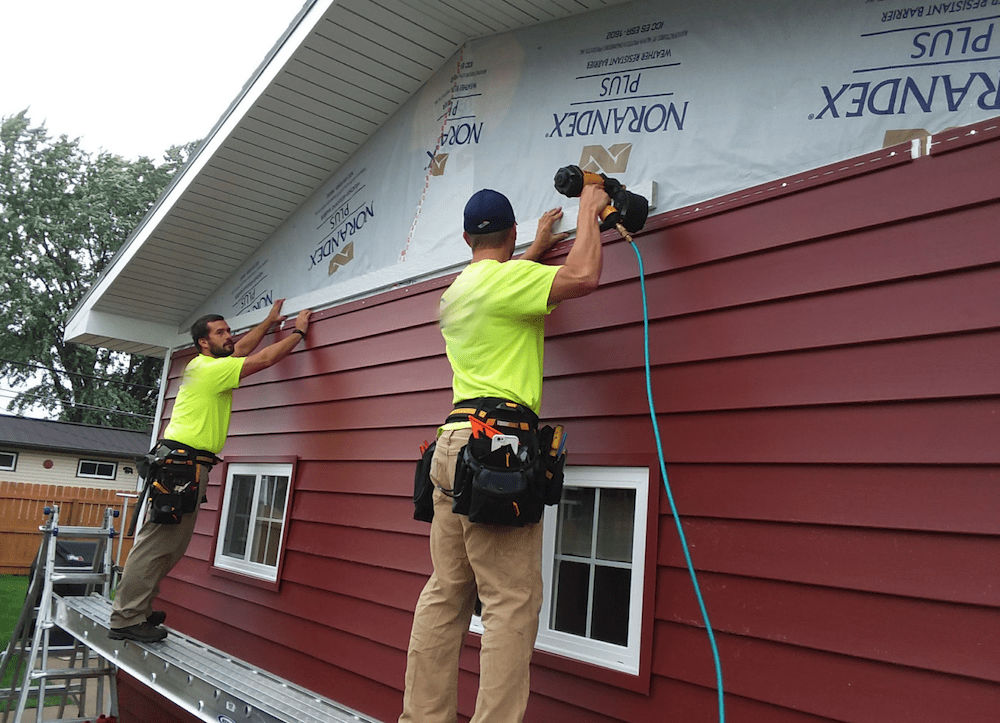
If your home lacks water-resistant barriers behind siding, consider installing them during repairs. These materials provide added defense against moisture intrusion.
Control indoor humidity by keeping levels below 60 percent with proper ventilation. This prevents moisture buildup behind siding from the interior.
Staining and Sealing for Long-Term Protection
Seattle’s moisture and UV exposure demand high-quality stains and sealants. Proper finishing is not optional; it is essential for cedar to survive this climate.
Choosing Products Look for stains and sealants labeled water-repellent, UV-resistant, and mildew-resistant. Oil-based stains penetrate deeply into cedar, providing excellent water resistance and lasting longer between applications. They require more drying time and good ventilation during use.
Water-based stains dry faster and clean up easier, making them convenient for DIY projects. However, they may not offer the same long-term moisture protection in Seattle’s wet conditions. Advanced water-based formulas designed for the Pacific Northwest can perform well, especially those with strong mildew-fighting properties.
Solid stains provide maximum protection, acting like paint while showing wood texture. Semi-transparent stains showcase cedar’s natural grain but require more frequent reapplication in Seattle’s demanding environment.
Choose products specifically labeled for damp climates, coastal conditions, or the Pacific Northwest. These include additives tackling mold and mildew effectively.
Resealing Schedule Cedar siding in Seattle typically needs resealing or restaining every 3-5 years. South-facing walls with direct sunlight may need attention sooner because UV rays break down finishes faster. North-facing walls stay shaded and last longer between treatments but are more prone to mold and mildew.
Poor ventilation can shorten finish lifespan as trapped moisture accelerates wear. Low-quality or incorrectly applied previous stains may require reapplication in 2-3 years.
Watch for signs needing attention: fading color, water soaking into wood instead of beading up, visible mildew or mold, and peeling or flaking finishes. These indicate it is time to restain even before the 3-5 year mark.
Application Techniques Apply stain in late spring to early fall when temperatures range between 50°F and 80°F and forecast shows at least 48 hours of dry weather. Seattle’s unpredictable weather makes planning ahead critical.
Prep surfaces thoroughly before applying products. Clean siding with mild detergent and soft brush to remove dirt, mildew, and loose finish. Let wood dry completely, ideally 48-72 hours of dry weather. Applying finish to damp wood traps moisture underneath, leading to peeling and poor adhesion.
Use high-quality brushes: natural bristles for oil-based stains, synthetic for water-based products. Rollers speed work on flat surfaces while sprayers handle textured areas well but require skill to avoid overspray.
Apply stain in thin, even coats, working in small sections to maintain a wet edge and avoid lap marks. Back-brush—lightly going over rolled or sprayed areas with a brush—ensures even coverage and penetration.
Avoid applying stain to damp wood or using thick coats hoping to extend finish life. Thick layers often lead to poor adhesion and peeling. Follow manufacturer guidelines for coverage and drying times between coats.
Inspection and Repair
Regular inspection catches small problems before they become expensive repairs, especially in Seattle’s climate where moisture quickly escalates damage.
Seasonal Inspections Inspect cedar siding twice yearly: after spring rains and before fall storms. Examine each section for trouble spots.
Healthy cedar maintains its natural tone or consistent stained appearance. Dark streaks indicate water damage while gray areas suggest natural oils have worn away. Press on boards to check for soft spots; healthy wood feels firm while spongy areas indicate dry rot needing immediate attention.
Look for warping or boards pulling away from the house, often pointing to ongoing water problems. Check seams and joints for cracks in caulking, especially around windows, doors, and trim where moisture can seep in.
Use a flashlight to inspect shaded areas under eaves, behind downspouts, and on north walls. These spots stay damp longer and are prime locations for mold. Document issues with photos and notes to track changes over time.
DIY Repairs For small cracks, use exterior wood filler made for cedar. Clean debris, apply filler, sand smooth, and match stain. If caulking has failed, remove old caulk completely, clean the area, let dry 24 hours, and apply fresh mildew-resistant exterior caulk.
Loose boards can be re-secured using galvanized or stainless steel nails driven at slight downward angles to shed water. For surface rot less than 1/4 inch deep, use a chisel to remove damaged wood and fill with epoxy wood filler.
Replace boards beyond saving with matching cedar, priming and sealing new wood before installation. Expect to spend $200-800 on these smaller repairs depending on damage extent and materials needed.
When to Call Professionals Widespread soft spots could mean dry rot has reached structural framing, requiring immediate professional attention. Large areas of warped or loose siding may indicate deeper moisture problems needing professional diagnosis.
If mold returns soon after cleaning, hidden moisture sources exist that only professionals can identify and fix. Serious structural issues like sagging walls, gaps between siding and trim, or siding pulling away from the house often need permits and specialized techniques.
Major repairs cost $4,500-12,000 while full siding replacement runs $13,325-37,500 depending on home size and materials. Acting early and seeking professional help saves from needing full replacement.
For storm damage, broken siding exposing interior, or active leaks, immediate professional intervention is critical to prevent further damage.
Year-Round Maintenance Tasks
Spring Wash siding with mild detergent and soft brush to clear winter debris and mildew. Check caulking around windows, doors, and trim for cracks from winter storms. Inspect for unnoticed storm damage.
Summer Check for faded stain during drier weather. Touch up areas needing attention before the rainy season begins in fall.
Fall Clean gutters and downspouts thoroughly; clogged drainage leads to water pooling against siding. Look for loose boards or pest activity as insects seek shelter before winter.
Winter After storms, inspect siding for loose or damaged boards. Clear debris around the foundation to prevent moisture buildup.
Seattle gets around 155 rainy days yearly, making exterior wood rot a common issue. These seasonal tasks combined with regular care protect cedar siding and extend its lifespan.
Professional Inspection Value
While DIY maintenance is essential, annual professional inspections uncover hidden issues DIY efforts miss. Experts use specialized tools to detect moisture problems like early dry rot behind siding or around windows and doors.
Late summer or early fall is ideal for inspections, giving time to address problems before heavy rains. Professional inspections include moisture meter readings, caulking and sealant checks, drainage evaluations, and ventilation assessments.
Annual inspections save money long-term. Minor repairs cost $120-400. Delaying fixes leads to extensive repairs at $4,500-12,000 or full siding replacement at $13,325-37,500.
Seattle’s damp environment creates unique challenges for cedar siding. Professional expertise managing moisture-related issues in the Pacific Northwest is invaluable.
Maintenance Cost Planning
Annual maintenance costs for cedar siding in Seattle range from $150-300, primarily for cleaning supplies, caulk, and touch-up stain. Every 3-5 years, budget $800-2,000 for professional resealing depending on home size.
This preventive maintenance cost is far less than repair expenses. Neglected cedar often needs extensive repairs within 10-15 years versus 30-40 year lifespans for well-maintained siding.
Small fixes like replacing cracked boards or failed caulk immediately stop water from reaching sheathing or framing where rot causes serious damage costing thousands.
For expert cedar siding maintenance and repair throughout King County, contact Seattle Trim Repair at (425) 517-1751 for a free inspection and care plan tailored to your home.
Not sure how bad yours is?
Send a photo or describe the spot over the phone. We will tell you whether it is a patch, a section, or something structural before anyone comes out.
Mon–Fri, 7:00am – 5:00pm
Questions homeowners ask us about this
How can I tell if my cedar siding needs professional inspection despite regular maintenance?
What is the best stain and sealant for cedar siding in Seattle's wet climate?
What should I do if mold keeps returning despite regular cleaning?
How often should I reseal cedar siding in Seattle?
Read next
- Dry Rot
Dry Rot Prevention with Cedar Sealers: Seattle Guide
How eco-friendly water-based cedar sealers prevent dry rot, block moisture and UV, and how to prep, apply, and maintain siding in Seattle's damp climate.
- Siding Repair
Best Siding for Seattle's Rainy Weather
Compare fiber cement, vinyl, wood, engineered wood, and metal siding for Seattle's wet climate—moisture resistance, maintenance, lifespan, and cost.
- Siding Repair
Seattle Weather and Cedar Siding Cracks
Seattle's rain, humidity and UV accelerate cedar siding cracks. Learn inspection tips, repair methods, costs, and prevention for Pacific Northwest homeowners.
Get a straight answer on your siding, trim, or rot
Free estimate, no obligation, and usually a slot the same week. We cover Seattle, Bellevue, Redmond, Kirkland, Bothell, and Tacoma.
Mon–Fri, 7:00am – 5:00pm · Free estimates · Same-week scheduling