
5 Signs Your Seattle Home Has Dry Rot Damage
Learn to identify the top signs of dry rot in your Seattle home to prevent costly repairs and maintain structural integrity.
By Seattle Trim Repair · Published · Updated
Dry rot can silently weaken your home’s wooden structures, causing costly damage if left unchecked. In Seattle, where homes face 37 inches of annual rainfall and 155 rainy days per year, dry rot is not a rare problem. It is a constant threat that demands vigilance. The fungi that cause dry rot thrive in damp wood with moisture levels over 20 percent, and our climate provides perfect conditions for them to flourish.
The challenge with dry rot is that much of the damage happens out of sight. By the time you notice visible signs, the decay may have already spread deep into structural components. Early detection is your best defense against catastrophic damage and repair bills that can reach five figures. Here are five key signs to watch for that indicate dry rot may be attacking your home.
Wood Changes Color or Turns Dark
One of the first signs of dry rot is a noticeable change in the wood’s color. While healthy wood retains its natural tone, dry rot often introduces unusual shades. These can include darker hues, brown, orange, yellowish, or even sepia tones, all of which deviate from the wood’s original appearance.
The discoloration occurs because the fungi causing dry rot break down the wood’s cellular structure, leaving behind byproducts that alter its appearance. In early stages, you might see subtle darkening or streaking. As the decay progresses, the color changes become more pronounced and are often accompanied by a dull, lifeless appearance that contrasts sharply with healthy wood.
Beyond discoloration, the presence of fungal growth is another clear indicator of dry rot damage. Dry rot fungus can create patches in a variety of colors, such as white, brown, or even light to dark purple. You might also spot a woolly layer of white or grayish mycelium, which looks like a cotton-like web spreading across the wood surface. In more advanced stages, reddish spore dust or rusty-red sporophores with a white outer ring may appear, signaling a severe infestation.
These visual changes are your early warning system. When you see wood that looks wrong, darker than it should be, or covered in unusual growths, you need to investigate immediately. Press on the discolored areas with a screwdriver. If the wood feels soft or the tool sinks in easily, dry rot has taken hold and professional assessment is needed.
In Seattle homes, common areas where color changes appear first include window sills that collect rainwater, door thresholds exposed to weather, deck boards and posts near ground contact, and trim boards on the north side of the house that stay shaded and damp longer. Regular inspection of these vulnerable spots can catch dry rot before it spreads to structural framing.
Wood Becomes Brittle, Crumbles, or Feels Soft
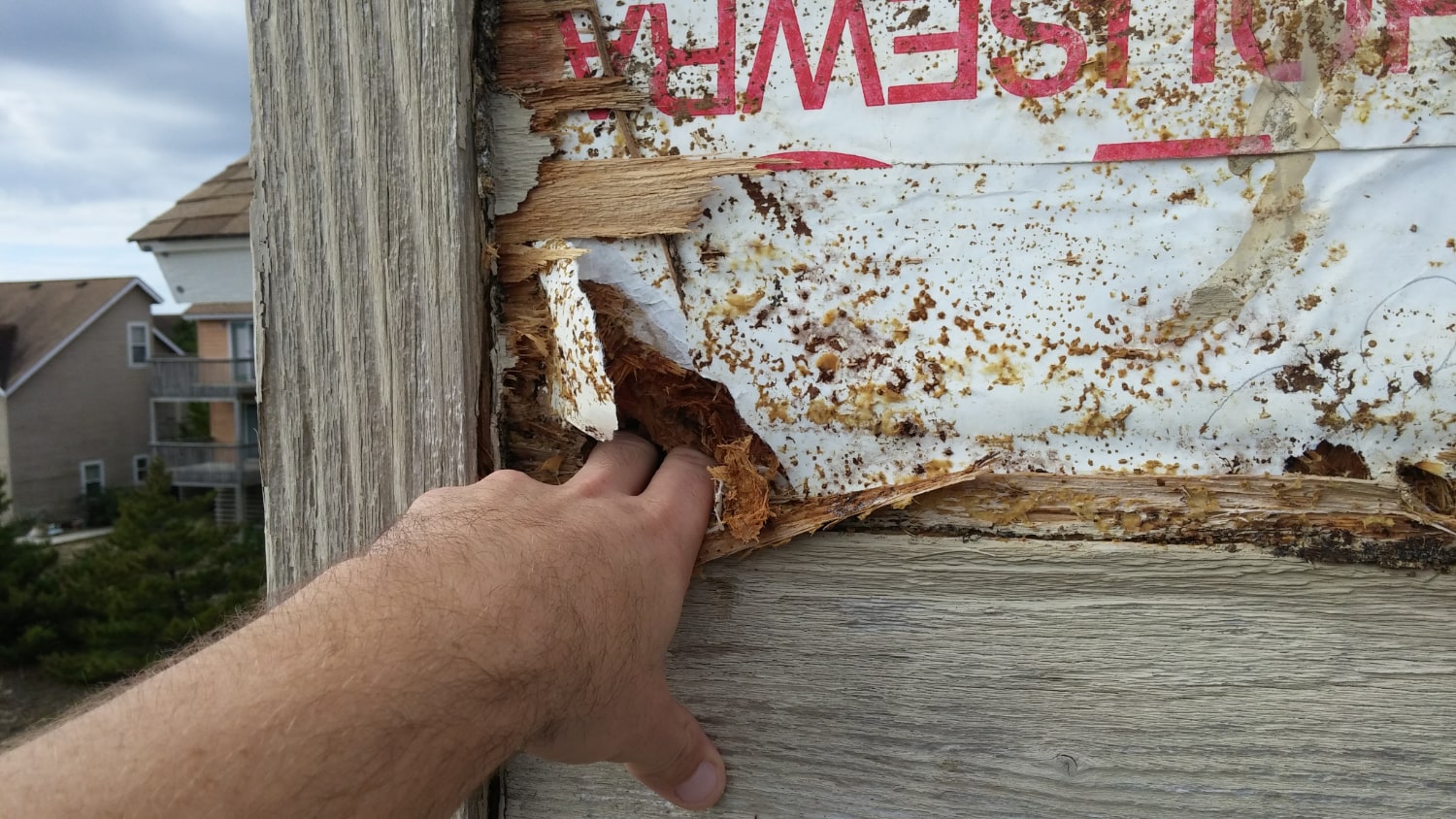
When dry rot sets in, wood loses its strength and becomes fragile, often feeling soft, brittle, or even crumbling to the touch. This happens because dry rot fungi attack the cellulose and hemicellulose in the wood, which are crucial for its durability, leaving behind a brittle framework of lignin. In this weakened state, the wood may crumble with minimal pressure and display cubical cracking, a distinctive pattern that looks like the wood has broken into small cube-shaped pieces.
As decay fungi produce enzymes that break down the wood’s structural components, the wood loses strength and integrity. What was once solid and load-bearing becomes structurally compromised and unable to fulfill its intended purpose. This type of damage is particularly noticeable in areas exposed to high moisture levels.
To check for dry rot, press gently on suspicious areas with a screwdriver or your finger. Healthy wood will feel firm and resist penetration. Dry rot-affected wood will feel soft, spongy, or may crumble under light pressure. You might even be able to push your finger or tool through the surface with little effort.
Some parts of a home’s exterior are especially vulnerable to dry rot. Watch out for wooden window sills where water pools after rain, door frames that take direct weather exposure, spots where decks connect to the house, areas around damaged gutters or downspouts, corners where vertical walls meet horizontal surfaces, and any place where wood touches the ground or sits within six inches of soil.
In Seattle, the constant dampness means that once dry rot starts in these vulnerable areas, it can spread quickly to adjacent wood. A small soft spot discovered early might require only a minor repair costing a few hundred dollars. Left untreated, that same area can spread to structural framing, turning into a repair bill of $10,000 or more.
Fungus or Mold Appears on Surfaces
Spotting fungal growth, often appearing as white, gray, or brownish patches resembling cotton or spider webs, is a clear sign that dry rot has set in. Unlike hidden decay, this growth is visible on wood surfaces and indicates the fungus is actively breaking down the wood’s fibers.
This type of fungus usually thrives in areas exposed to moisture over long periods. You might see thread-like hyphae spreading across the wood or even mushroom-like fruiting bodies emerging from damaged areas. These fruiting bodies release spores that can travel through air currents and infect other wooden structures in your home, potentially causing more widespread issues.
Mold, which often appears as black, green, or brown spots, can also accompany dry rot. Though mold and dry rot are different, they both thrive in damp environments. The appearance of either suggests that your wood is dealing with excessive moisture, a condition that can lead to severe structural problems if left unchecked.
In Seattle homes, common places to find fungal growth include wooden deck posts where they meet concrete footings, window trim around older single-pane windows, siding boards near ground level that are frequently hit by rain splash or sprinklers, window frames set in below-grade window wells, and door thresholds that face prevailing wind and rain.
The woolly, cotton-like appearance of dry rot mycelium is distinctive and unmistakable once you know what to look for. It often appears in corners, crevices, and joints where moisture gets trapped and air circulation is poor. In crawl spaces and attics, you might see it spreading across floor joists or roof sheathing if ventilation is inadequate.
To stay ahead of potential damage, inspect vulnerable areas monthly during wet seasons, from October through March in Seattle. Look for any white, fuzzy growth or unusual discoloration that might not have been there before. Pay special attention after heavy rain events or during periods of persistent drizzle when moisture levels remain high for extended periods.
Catching fungal growth early gives you the chance to address moisture issues before they cause major structural damage, like compromising floor joists or wall framing, which could lead to costly repairs running into tens of thousands of dollars. After checking for visible growth, be sure to also pay attention to musty odors or any changes in the wood’s structural integrity. These signs can help you act before the problem worsens.
Musty or Damp Smell
Sometimes, it is not just what you see but what you smell that can hint at dry rot. A lingering musty odor often points to hidden dry rot working out of sight. This smell comes from the fungal breakdown of wood, releasing volatile organic compounds that produce an earthy, mushroom-like scent.
The exact odor can differ based on the type of fungus, the stage of decay, and the wood being affected. What is concerning is that this odor signals active decay, meaning the fungus is alive, spreading, and causing damage right now. Unlike fleeting household smells that dissipate quickly, dry rot odors stick around and can intensify over time.
Common areas where these odors might develop include basements where moisture naturally accumulates, crawl spaces with poor ventilation, spaces under sinks where plumbing leaks occur, and areas near window frames where condensation forms. These are spots where moisture often lingers, creating the perfect environment for dry rot to thrive.
The musty smell associated with dry rot is similar to the scent of mold. Both result from fungal activity and share that damp, earthy quality. This overlap can make it tricky to distinguish between the two without visual inspection. However, even if fungal decay has not begun, the presence of a persistent musty odor combined with moisture signals a risk of dry rot developing soon.
If you catch a musty smell that will not go away, grab a flashlight and check vulnerable areas for signs like discoloration or soft, weakened wood. In Seattle homes, musty odors often emanate from crawl spaces after periods of heavy rain, from behind siding where moisture has penetrated, from attic spaces with inadequate ventilation, and from corners of basements where water seeps through foundation cracks.
The smell is often strongest in enclosed spaces where air circulation is limited. Opening a closet on an exterior wall and smelling that distinctive earthy odor is a red flag that moisture has penetrated the wall cavity and decay may be starting. Similarly, a musty smell when you open your crawl space access should prompt an immediate inspection of floor joists and subfloor for soft spots or visible fungal growth.
Do not ignore persistent musty odors. They are your nose telling you that conditions favorable to dry rot exist somewhere in your home. Early detection through smell can lead you to discover rot before it causes visible structural damage.
Paint Peels, Wood Warps, or Surface Gets Damaged
When paint starts peeling or wood begins to warp, it is often a clear indication of dry rot lurking beneath the surface. This type of damage does not just affect how things look. It is a sign that the wood’s integrity is compromised and that moisture and fungal activity are at work.
Peeling paint is one of the most noticeable red flags. As dry rot fungi break down the wood, they release moisture, which builds up under the paint. This pressure causes the paint to bubble, crack, and eventually peel away. Unlike normal paint aging, which typically shows gradual fading and chalking, dry rot causes sudden, extensive peeling often in large sheets or patches.
Warped wood is another giveaway. Dry rot weakens the wood’s structure, making it unable to maintain its shape. You might see window frames that no longer fit properly, door jambs that have shifted, or deck boards that curve or bow. This happens because the fungus destroys cellulose, the component that gives wood its strength, leaving it vulnerable to uneven expansion and contraction from moisture.
Surface damage like this often appears in areas where moisture has been an issue for a long time. Pay special attention to exterior trim, especially around windows and doors where caulking might have failed. Look for cracks or splits in the wood, particularly along the grain. These cracks are not just cosmetic. They allow more moisture to seep in, speeding up the decay process.
What starts as a small issue, like a bubble in the paint or a slight gap in the trim, can quickly escalate. For example, window sills are especially prone to dry rot because they are exposed to rain and snow runoff. If you spot peeling paint on a window sill and notice soft or discolored wood underneath, there is a good chance dry rot is to blame.
Unlike regular weathering, which might cause minor fading or wear, dry rot leads to severe peeling, discoloration, and softness in the wood. The paint may come off in large sections, revealing wood that is darker than it should be, feels damp to the touch, and crumbles when you press on it.
In Seattle, where paint on exterior wood takes a beating from constant moisture, distinguishing between normal wear and dry rot damage is critical. Normal paint failure shows gradual breakdown and can be fixed by scraping, priming, and repainting. Dry rot damage requires removing the affected wood, addressing the moisture source, and then replacing or repairing structural components before any cosmetic work.
If you notice these signs, do not delay. Surface damage is often just the tip of the iceberg, signaling deeper, hidden rot that requires immediate professional attention. Catching the problem when it is still at the paint-peeling stage can save you from discovering later that rot has spread to framing members or sheathing that will cost thousands more to repair.
Regular inspections are your best line of defense. Recognizing the signs of dry rot is only half the battle. Knowing when to bring in a professional is just as important. If you spot discolored or brittle wood, fungal growth, musty odors, or peeling paint, it is time to call in an expert. These warning signs often indicate a problem that requires specialized attention.
Professionals conduct thorough surveys to determine the full extent of dry rot and recommend effective solutions. Trying to handle this issue on your own without proper training can lead to missed areas, allowing the fungus to continue spreading unchecked. Catching dry rot early can save you from significant damage and hefty repair bills.
A professional inspection can identify problems before they escalate into serious structural concerns. Early repairs are not only more affordable but also more manageable compared to addressing widespread damage. Trained specialists focus on critical areas where moisture problems commonly begin, like window sills, door frames, deck posts, and siding joints. This comprehensive evaluation ensures that both visible damage and hidden trouble spots are identified, paving the way for effective repairs.
Understanding the potential costs of repairs highlights why early action matters. Minor repairs involving epoxy patching and paint touch-ups cost $120 to $400. Moderate repairs with targeted siding or trim replacement run $1,500 to $2,800. Extensive repairs including full siding replacement and structural fixes range from $4,500 to $12,000. Complete dry rot solutions span from $140 to $12,000 depending on severity.
Repairing dry rot is a multi-step process that involves eliminating moisture sources, removing damaged wood, reinforcing the remaining structure, and replacing severely affected areas. Addressing the root cause, excess moisture, is critical to prevent the problem from recurring. This process requires specialized tools and expertise to ensure the fungus is completely eradicated.
Taking swift action can prevent dry rot from spreading further, which could otherwise lead to steep increases in repair costs. Without addressing the underlying moisture issue, even the best repairs can fail, as new dry rot may reappear in the same spots.
Dry rot can quickly escalate from a minor nuisance to serious structural damage that demands expensive repairs. The warning signs serve as your early alert system to catch dry rot before it spirals out of control. Make it a habit to check your home’s exterior every few months, focusing on areas prone to moisture like window sills, door frames, deck posts, and siding joints.
If you need professional dry rot inspection or repair in Seattle, visit /dry-rot-repair/ or call (425) 517-1751.
Not sure how bad yours is?
Send a photo or describe the spot over the phone. We will tell you whether it is a patch, a section, or something structural before anyone comes out.
Mon–Fri, 7:00am – 5:00pm
Questions homeowners ask us about this
What steps can I take to prevent dry rot in my Seattle home?
What happens if dry rot is not repaired?
How do I know when to call a professional for dry rot inspection?
How much does dry rot repair cost in Seattle?
Read next
- Dry Rot
Dry Rot Prevention: 5 Ways to Stop Moisture Intrusion
Learn effective prevention strategies for dry rot caused by moisture intrusion. Professional inspections, maintenance schedules, and material choices.
- Trim Repair
5 Signs Your Exterior Trim Needs Replacement
Learn the key warning signs that your home's exterior trim needs replacement to prevent costly structural damage and maintain curb appeal.
- Dry Rot
What Causes Dry Rot in Pacific Northwest Homes?
Understand what causes dry rot in Seattle homes, from persistent rain to poor ventilation, and how to prevent structural damage with proven strategies.
Get a straight answer on your siding, trim, or rot
Free estimate, no obligation, and usually a slot the same week. We cover Seattle, Bellevue, Redmond, Kirkland, Bothell, and Tacoma.
Mon–Fri, 7:00am – 5:00pm · Free estimates · Same-week scheduling