
Top 5 Durable Siding Options for Seattle Homes
James Hardie fiber cement, cedar, and LP SmartSide lead for Seattle durability. Compare lifespan, maintenance, and moisture resistance for wet climates.
By Seattle Trim Repair · Published
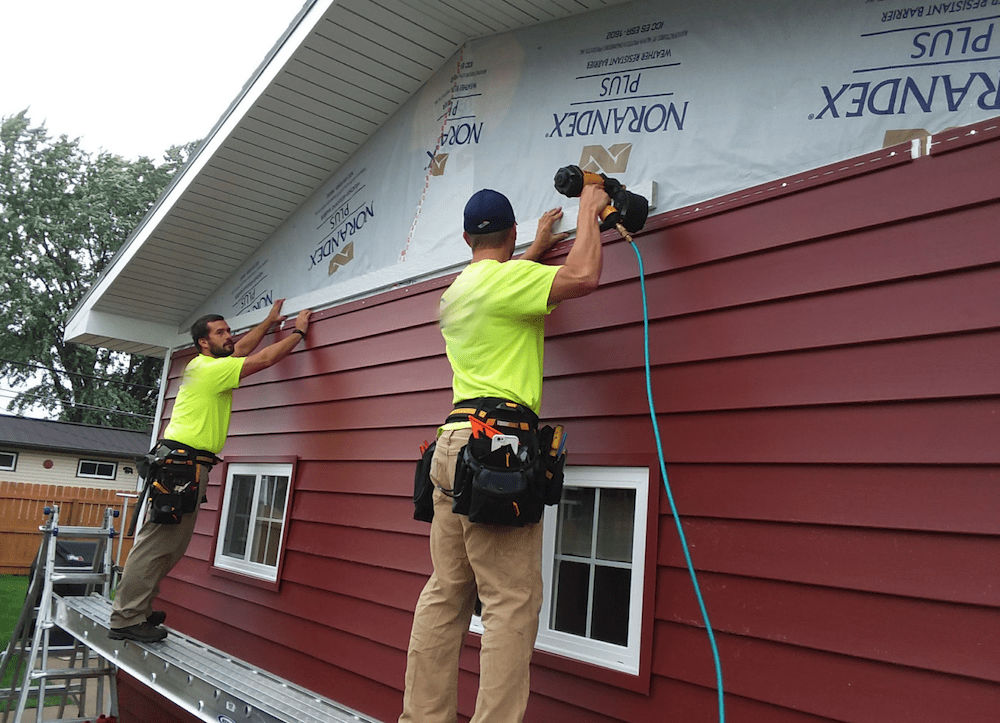
Seattle’s climate is not kind to exterior siding. With an average of 155 rainy days per year, relative humidity above 60 percent for much of fall and winter, and limited stretches of dry weather to allow materials to fully cure, your siding choice directly determines how often you will face repairs. The wrong material can fail within 10-15 years, leading to rot, warping, and moisture intrusion that damages sheathing and framing. The right material, properly installed, can last 30-50 years with minimal maintenance.
Durable siding for Seattle must resist three primary threats: prolonged moisture exposure, freeze-thaw cycles that occur frequently in King County, and biological growth like moss and algae that thrive in damp, shaded conditions. Materials that perform well in drier climates often fail here because they cannot shed water quickly enough or because they trap moisture against the structure. Choosing siding means balancing upfront cost, maintenance requirements, and long-term performance in a climate where water is the dominant stress factor.
James Hardie Fiber Cement Siding
James Hardie fiber cement is the most popular siding choice for new construction and re-siding projects in the Pacific Northwest, and for good reason. It is a composite of cement, sand, and cellulose fibers, engineered to resist moisture, rot, and insect damage. The material does not warp, crack, or swell when exposed to rain, and it holds paint finish exceptionally well, reducing repainting frequency to every 10-15 years compared to 5-7 years for wood.
Fiber cement is non-combustible, providing a Class A fire rating, and it resists impact damage better than vinyl or wood siding. When installed with proper flashing and a drainage plane behind the siding, it performs reliably in climates that receive 35-40 inches of annual rainfall. The material is available in lap, vertical panel, and shingle profiles, allowing it to match traditional Seattle architectural styles from Craftsman to Colonial Revival.
The primary drawback is weight. Fiber cement is heavy, requiring experienced installers and appropriate fastening into framing, not just sheathing. Installation labor costs are higher than vinyl or engineered wood, but the material’s longevity and low maintenance offset the upfront expense. Expect to pay $8-14 per square foot installed, with higher costs for intricate trim details and multiple story installations.
Western Red Cedar Siding
Western Red Cedar is the traditional choice for Northwest homes, prized for its natural beauty, workability, and rot resistance. Cedar contains thujaplicin oils that repel moisture and inhibit fungal growth, making it one of the best-performing natural wood sidings in wet climates. It weathers to a silvery gray if left unfinished, or it can be stained or painted to maintain its original color.
Cedar siding performs well in Seattle when properly maintained. It requires re-staining or sealing every 3-5 years to preserve its protective oils and prevent moisture absorption. Homeowners who neglect this maintenance will see accelerated checking, splitting, and rot, particularly on south and west exposures where UV damage combines with rain.
Cedar is available in several profiles: bevel (lap), tongue-and-groove, board-and-batten, and shingles. Beveled cedar siding is the most common and provides good water-shedding when installed with proper overlap. Clear vertical grain cedar costs significantly more than knotty grades but offers better dimensional stability and longer lifespan.
Installation costs typically range from $10-18 per square foot, with premium clear grades and intricate detailing pushing costs higher. Cedar also requires more frequent painting or staining than fiber cement, adding to the total cost of ownership. However, for homeowners who value natural wood aesthetics and are committed to regular maintenance, cedar remains an excellent choice.
LP SmartSide Engineered Wood Siding
LP SmartSide is an engineered wood product made from wood strands bonded with resin and treated with a zinc borate coating to resist rot and insects. It offers the appearance of wood at a lower price point than solid cedar, with better dimensional stability and moisture resistance than traditional plywood siding.
SmartSide performs well in Seattle’s climate when installed according to manufacturer specifications. The material requires a minimum 3/16-inch gap at all butt joints and where siding meets trim to allow for expansion as the wood acclimates to moisture. Failure to leave these gaps can result in buckling and paint failure.
LP SmartSide comes pre-primed and ready for finish paint. It holds paint well and typically requires repainting every 8-12 years, depending on exposure. The material is available in lap, panel, shake, and trim profiles, offering design flexibility similar to natural wood.
Costs run $6-10 per square foot installed, making it a mid-range option between vinyl and fiber cement. The material is lighter than fiber cement and faster to install, reducing labor costs. However, it does not have the same fire resistance as fiber cement, and edge sealing is critical during installation to prevent moisture intrusion at cut ends.
Fiber Cement Shingles
Fiber cement shingles provide a traditional shake appearance without the maintenance and fire risk of wood shakes. They resist rot, insects, and weather damage, and they do not split or crack like natural wood shakes. Fiber cement shingles are an excellent choice for gable ends, upper stories, and accent walls on Seattle homes, particularly those in wildfire interface zones where wood shakes are restricted.
The shingles are available in smooth and textured finishes that mimic the look of hand-split cedar. They install similarly to wood shakes, with each course overlapping the one below to shed water. When paired with proper underlayment and flashing, fiber cement shingles provide decades of trouble-free performance.
Costs are comparable to premium wood shakes, typically $12-18 per square foot installed, but the long lifespan and minimal maintenance make them cost-effective over time. Fiber cement shingles are heavy, so proper roof and wall framing is necessary to support the weight.
Metal Siding
Metal siding, typically aluminum or steel panels, offers exceptional durability and a modern aesthetic. It is impervious to rot, insects, and moisture damage, and it requires virtually no maintenance beyond occasional washing. Metal siding is available in vertical and horizontal profiles, with a range of finishes from smooth to textured.
In Seattle’s climate, metal siding performs well when installed with a proper drainage plane to prevent condensation from forming on the back of the panels. Coastal exposure can lead to corrosion on lower-grade metals, so specify corrosion-resistant coatings or consider higher-grade stainless steel or aluminum for homes near Puget Sound.
Metal siding is lightweight, reducing structural load, and it is quick to install, lowering labor costs. It is also non-combustible and provides excellent fire protection. However, metal dents from impact and can show scratches more readily than other materials. It also conducts heat and cold, so proper insulation and thermal breaks are important for energy efficiency.
Costs vary widely based on material and finish, typically ranging from $8-16 per square foot installed. Metal siding is less common on traditional Seattle homes but works well on contemporary and industrial-style designs.
Installation Practices That Extend Siding Life
Material selection is only part of the equation. Proper installation practices are critical to long-term performance in Seattle’s wet climate.
Drainage planes behind siding allow air circulation and provide a pathway for water to drain downward and out. Building wrap alone is not sufficient; a rainscreen gap created by furring strips or specialized rainscreen products prevents water from staying trapped against sheathing.
Flashing above windows, doors, and at roof-wall intersections directs water away from vulnerable penetrations. Kickout flashing at roof edges prevents water from running behind siding at roof terminations, one of the most common failure points in Seattle homes.
Clearance from grade is essential. Siding should sit at least 6-8 inches above soil, mulch, or hardscaping to prevent moisture wicking and splash-back from saturating the bottom courses.
Fastening must be done correctly for each material. Fiber cement requires specific nail spacing and penetration into framing to prevent cracking. Engineered wood needs expansion gaps at joints. Metal siding requires fasteners that allow for thermal expansion and contraction.
Finish coats on wood and fiber cement siding should be applied within manufacturer-specified timeframes. Leaving primed siding exposed to weather for extended periods allows moisture to penetrate and reduces paint adhesion.
Choosing the Right Siding for Your Seattle Home
For most Seattle homeowners, James Hardie fiber cement siding offers the best balance of durability, low maintenance, and design flexibility. It handles the climate’s moisture and temperature swings without warping, rotting, or requiring frequent repainting.
Cedar siding remains the top choice for homeowners who prioritize natural wood aesthetics and are committed to regular maintenance. It performs well in the Pacific Northwest when properly cared for and offers unmatched beauty and character.
LP SmartSide is a practical middle option for budget-conscious projects that need better performance than vinyl without the cost of fiber cement or solid cedar.
For help selecting the right siding material and ensuring proper installation on your Seattle home, contact our team at (425) 517-1751 for a free consultation.
Not sure how bad yours is?
Send a photo or describe the spot over the phone. We will tell you whether it is a patch, a section, or something structural before anyone comes out.
Mon–Fri, 7:00am – 5:00pm
Questions homeowners ask us about this
What is the most durable siding for Seattle's rainy climate?
How long does cedar siding last in the Pacific Northwest?
Is vinyl siding a good choice for Seattle homes?
What maintenance does fiber cement siding require in Seattle?
Read next
- Siding Repair
Best Siding for Seattle's Rainy Weather
Compare fiber cement, vinyl, wood, engineered wood, and metal siding for Seattle's wet climate—moisture resistance, maintenance, lifespan, and cost.
- Installation
How Fiber Cement Siding Handles Seattle's Rain
Fiber cement siding resists Seattle's moisture, lasting 30-50+ years. Learn proper installation, maintenance, and why it outperforms wood and vinyl in wet climates.
- Installation
Best Siding Materials to Prevent Dry Rot
Which siding best prevents dry rot in Seattle's wet climate? Fiber cement and metal siding resist moisture and rot best—full comparison from local repair experts.
Get a straight answer on your siding, trim, or rot
Free estimate, no obligation, and usually a slot the same week. We cover Seattle, Bellevue, Redmond, Kirkland, Bothell, and Tacoma.
Mon–Fri, 7:00am – 5:00pm · Free estimates · Same-week scheduling