
Seattle Trim Repair Pricing Guide 2026
Real Seattle trim repair costs: $300-4,500 typical project range. Understand what drives estimates for dry rot, fascia, and window trim work.
By Seattle Trim Repair · Published · Updated
Understanding trim repair costs in Seattle requires looking beyond simple per-linear-foot estimates. The Pacific Northwest climate creates moisture-related damage patterns that differ significantly from drier regions, and repair costs reflect not just the visible damage but the hidden rot, failed flashing, and structural involvement that Seattle’s 155 annual rainy days produce. This guide provides realistic cost ranges, explains what drives estimates up or down, and helps homeowners distinguish between minor patches and full remediation projects.
Average Trim Repair Costs in Seattle
Exterior trim repair costs vary based on scope, materials, accessibility, and the extent of hidden damage discovered during work. Projects generally fall into three categories.
Minor Repairs ($300-$800)
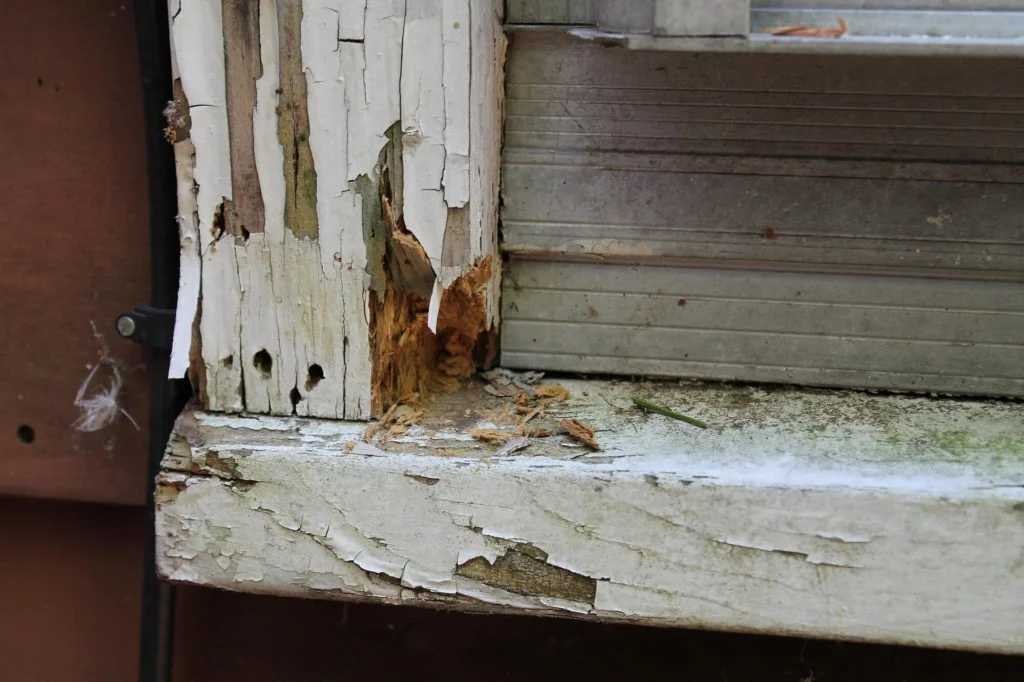
Minor repairs address small, localized damage where rot or failure is limited to a short section of trim and underlying framing is sound. Typical minor repairs include patching a single rotted window sill, replacing a short section of corner board, or repairing fascia damage in one location. These projects require limited demolition, minimal material, and can often be completed in a single day.
Labor typically accounts for 60-70 percent of the total cost on minor repairs, with material representing the balance. Paint or finish matching adds $100-200 to the base repair cost.
Moderate Repairs ($1,200-$2,500)
Moderate damage involves longer trim sections, multiple locations, or situations where rot has reached sheathing but not major framing members. Examples include replacing window casings on multiple windows, repairing 10-20 linear feet of fascia, or replacing water-damaged door trim and threshold.
These projects require more extensive removal, proper flashing installation, and attention to drainage details to prevent recurrence. Moderate repairs typically take 2-4 days and may involve coordination with painters or siding contractors if adjacent materials need replacement.
Extensive Repairs ($4,500-$8,000+)
Extensive trim damage includes scenarios where dry rot has spread into wall studs, floor joists, or roof framing. It often involves multiple trim locations, underlying structural work, and may trigger permit requirements depending on the scope of framing replacement. Projects at this level can include full fascia and soffit replacement on one or more sides of a home, reframing rotted window or door openings, or remediation of widespread dry rot that has traveled through multiple wall cavities.
These repairs may take 1-2 weeks and often require scaffolding, specialized equipment, and coordination with multiple trades. Structural repairs of this magnitude sometimes exceed $8,000 when extensive framing replacement is needed.
Cost by Trim Type and Material
Trim material significantly affects both initial repair cost and long-term durability. The following table provides typical installed costs for common trim materials in Seattle.
| Material | Cost per Linear Foot | Durability in Seattle | Maintenance |
|---|---|---|---|
| Painted wood (pine, fir) | $8-$25 | Moderate (requires regular paint) | High (repaint every 5-7 years) |
| Western Red Cedar | $12-$35 | High (natural rot resistance) | Moderate (seal/stain every 3-5 years) |
| PVC (cellular) | $15-$40 | Very high (rot-proof) | Low (no paint required) |
| Fiber cement | $18-$45 | Very high (moisture resistant) | Low (repaint every 10-15 years) |
| Composite (Azek, Trex) | $20-$50 | Very high (rot-proof) | Very low (minimal maintenance) |
These per-linear-foot costs include material, labor, fasteners, and basic caulking. They do not include flashing, paint finish, or structural repairs to underlying framing.
Key Cost Drivers for Seattle Trim Repairs
Several factors influence the final estimate beyond simple linear footage and material choice.
Extent and Location of Damage
The size of the damaged area directly affects material and labor costs. However, location matters as much as size. Trim damage at a first-floor window is less expensive to repair than damage at a third-floor gable end, where scaffolding and safety equipment are required.
In Seattle, damage is rarely isolated. Rot that appears on exterior trim often extends into the sheathing or framing behind it. A repair that begins as a simple trim replacement frequently expands once the contractor removes the damaged material and discovers hidden rot. Accurate estimates require on-site inspection to assess the full extent of damage.
Material Choice
Higher-grade materials increase upfront costs but reduce lifecycle expense. Choosing PVC or fiber cement trim for high-exposure areas like north-facing fascia or shaded window casings adds 30-50 percent to initial material cost but eliminates future rot repairs in those locations.
For homeowners planning to stay in a home long-term, investing in rot-proof materials for vulnerable trim locations pays off within 10-15 years by avoiding repeat repairs. For homes being prepared for sale, painted wood trim at lower cost may be a more practical choice.
Accessibility and Complexity
Multi-story work, steep roof pitches, and tight access all increase labor time and equipment costs. Scaffolding rental adds $300-800 per week depending on height and footprint. Boom lifts for tall or complex work can add $500-1,200 per day.
Historic homes with intricate trim profiles require custom milling or hand-shaping to match existing details, increasing both material and labor costs. Replicating complex crown molding or corbel details can double or triple the cost compared to simple flat trim.
Additional Services
Trim repair often requires related work to address the root cause of damage or to complete the repair properly. Flashing replacement adds $150-400 per window or door. Siding repair or replacement near damaged trim adds $300-1,500 depending on extent. Paint or finish matching and application adds $200-600 for small areas, more for full-wall repaint.
Window replacement may be necessary if frames are rotted, adding $500-1,500 per window. If permits are required for structural work, budget $200-500 for permit fees and inspection costs.
Geographic Location Within King County
Labor and material delivery costs vary across King County. Urban Seattle neighborhoods may carry a premium due to parking restrictions, travel time, and permitting complexity. Suburban areas like Bellevue, Kirkland, and Redmond generally see mid-range pricing. Rural or hard-to-access properties in outer King County may incur higher travel and delivery fees.
Cost by Common Repair Type
Window and Door Trim Repair
Window and door trim repairs are among the most common requests in Seattle due to the frequency of flashing failures and caulk degradation. Replacing trim on a single window typically costs $400-900, including material, labor, flashing, and paint. Door trim replacement runs $500-1,200 per door, with higher costs for exterior doors that require threshold and weatherstripping work.
Full window casing replacement on multiple windows often qualifies for volume pricing, reducing the per-window cost. Replacing casings on 4-6 windows may cost $1,800-3,500 total, depending on material and accessibility.
Fascia and Soffit Repair
Fascia boards protect the roof edge and support gutters. They are highly exposed and frequently damaged in Seattle’s climate. Fascia replacement typically costs $12-28 per linear foot installed, with higher costs for thick or custom-profile boards.
Soffit repair is often combined with fascia work. Vented soffit panels cost $8-18 per linear foot installed. Full fascia and soffit replacement on one side of a typical single-story home (30-40 linear feet) runs $1,500-3,200.
Dry Rot Remediation
Dry rot remediation involves removing all affected wood, treating adjacent areas with fungicide or borate, and replacing with sound material. Costs depend on extent. Localized dry rot repair affecting 5-10 linear feet of trim costs $800-1,800. Extensive dry rot involving multiple wall cavities and structural framing can reach $5,000-10,000.
In Seattle, dry rot remediation often requires more extensive work than initially visible because the fungus spreads through wall cavities and across non-wood materials. Professional inspections using moisture meters and probing help establish true scope before work begins.
DIY vs Professional Trim Repair
DIY trim repair can save on labor costs but carries risks. Homeowners with carpentry skills and appropriate tools can handle minor cosmetic repairs, such as replacing a single short section of trim on an accessible first-floor window. Material costs for DIY repairs typically run $50-200 for small projects.
However, most Seattle trim damage involves hidden rot, failed flashing, or structural concerns that require experience to diagnose and repair correctly. DIY repairs often miss the root cause of moisture intrusion, leading to repeat failures within 1-3 years. Improperly installed flashing or incorrect fastening can actually worsen moisture problems.
Professional repairs include diagnosis of the underlying cause, proper flashing and drainage details, material selection appropriate to exposure, and workmanship warranties. For moderate to extensive damage, professional repair is almost always more cost-effective long-term than attempting DIY fixes that fail and require rework.
Getting Accurate Estimates
Trim repair estimates require on-site inspection because hidden damage cannot be assessed from photos or descriptions. When requesting estimates, provide clear information about the visible damage location, any known moisture issues, and home age and construction type.
Expect estimates to include line items for material, labor, flashing, fasteners, caulking, and finish work. Itemized estimates allow you to compare bids accurately and understand where costs differ between contractors.
Ask whether the estimate includes contingency for hidden damage. Many contractors price based on visible damage with a clause that additional rot or structural issues will be priced as change orders. Others include a contingency allowance in the base estimate to reduce the risk of mid-project cost increases.
Verify whether permits are included if structural work is anticipated. Also confirm warranty terms: reputable contractors warranty both materials and labor, typically for 1-3 years.
For a free inspection and detailed estimate on your Seattle trim repair project, contact our team at (425) 517-1751. We provide itemized pricing, clear scope definitions, and transparent communication throughout the repair process.
Not sure how bad yours is?
Send a photo or describe the spot over the phone. We will tell you whether it is a patch, a section, or something structural before anyone comes out.
Mon–Fri, 7:00am – 5:00pm
Questions homeowners ask us about this
How much does exterior trim repair cost in Seattle?
What factors affect trim repair pricing in Seattle?
Should I repair or replace rotted trim?
How long does trim repair take in Seattle?
Read next
- Trim Repair
Cost of Trim Repair in Seattle
Seattle trim repair costs $321-$1,199 average. Minor fixes $120-$400, fascia $500-$1,200, full exterior trim $1,500-$5,000. Dry rot repair pricing explained.
- Trim Repair
Exterior Trim Repair Costs Seattle: 2026 Complete Guide
Seattle exterior trim repair costs $120-12,000 depending on scope. See material, labor, and climate factors driving King County pricing.
- Dry Rot
Dry Rot Prevention vs. Repair Costs in Seattle
Annual dry rot prevention costs $200-$500 in Seattle. Repairs run $1,500-$100,000+. Learn why prevention saves thousands in King County's wet climate.
Get a straight answer on your siding, trim, or rot
Free estimate, no obligation, and usually a slot the same week. We cover Seattle, Bellevue, Redmond, Kirkland, Bothell, and Tacoma.
Mon–Fri, 7:00am – 5:00pm · Free estimates · Same-week scheduling