
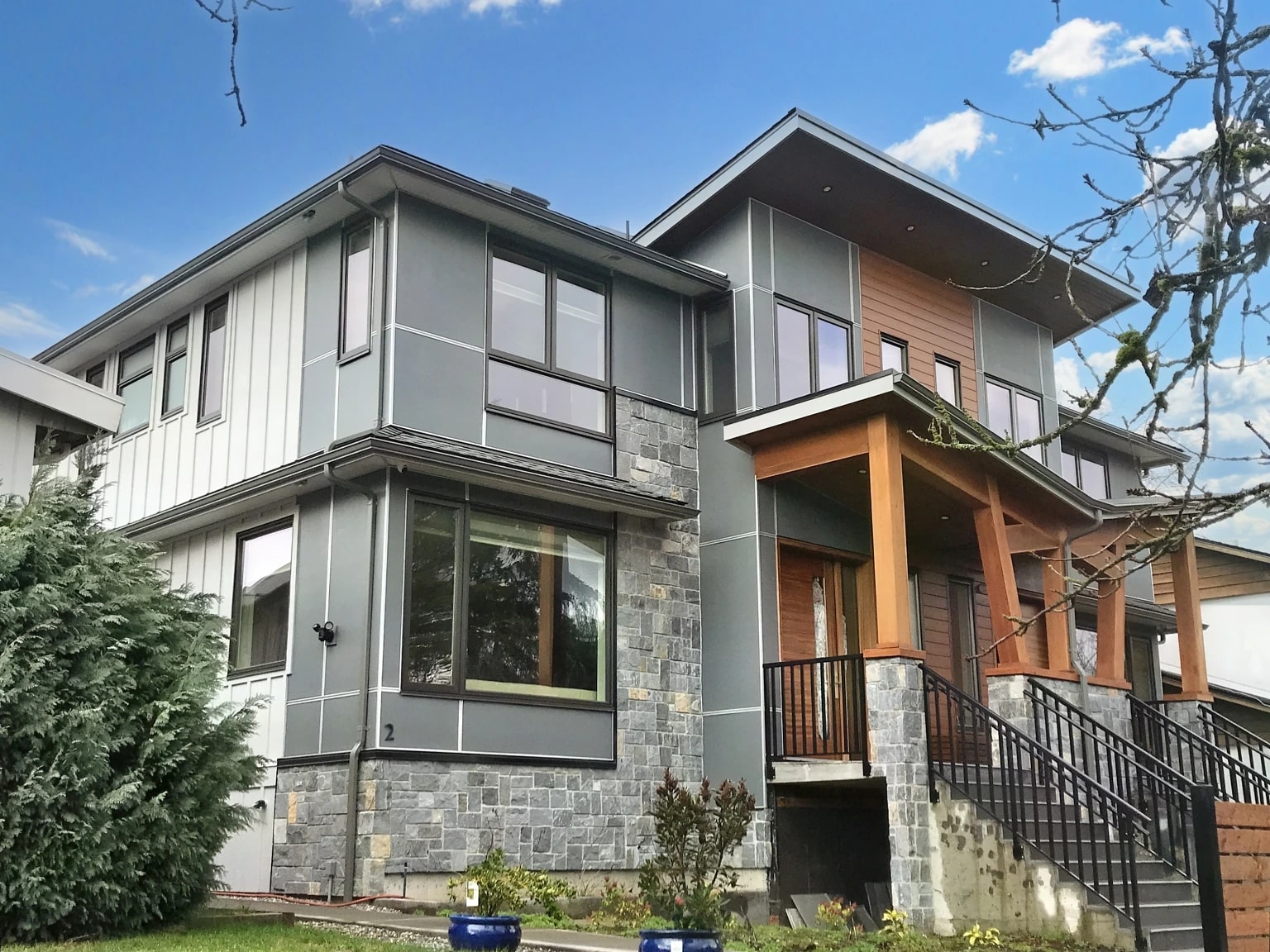
Seattle Contractors' Tips for Weatherproof Siding
Practical siding strategies for Seattle homeowners: choose moisture-resistant materials, install proper barriers and flashing, and maintain twice yearly.
By Seattle Trim Repair · Published · Updated
Seattle’s relentless rainfall and high humidity demand siding that can withstand constant moisture exposure. With the city averaging 155 rainy days per year and 37 inches of rainfall, mostly as persistent drizzle that keeps surfaces damp for days, your siding serves as the primary barrier protecting your home’s structure from water damage. Choosing the wrong materials or cutting corners during installation invites rot, mold, and structural deterioration that can cost tens of thousands to repair. This guide distills practical strategies Seattle contractors use to create weatherproof siding systems that last decades in our challenging climate.
Weatherproofing goes beyond just selecting quality siding. It requires a complete system approach: moisture-resistant materials, proper barriers and flashing to redirect water, ventilation systems that allow trapped moisture to escape, durable sealants that flex with temperature changes, regular cleaning and inspection, and attention to site drainage. Each component works together to keep your home dry and protected. Neglecting any single element compromises the entire system.
Select Fiber Cement Siding for Superior Moisture Resistance
Fiber cement siding stands out as the top choice for Seattle’s damp climate. Made from Portland cement, sand, water, and cellulose fibers, this semi-rigid material does not absorb water like traditional wood. While wood swells and decays when moisture penetrates, fiber cement maintains its structural integrity year after year.
James Hardie®, the leading manufacturer, developed the HardieZone™ system to tailor products to specific climate zones. Seattle falls in Zone 4, where siding must endure persistent drizzle while resisting rot and fungal growth. The material’s non-organic composition makes it immune to termite damage and woodpecker attacks. It handles Seattle’s temperature fluctuations—from freezing winters to warm summers—without cracking or buckling. Its Class A fire rating provides added safety.
Maintenance is straightforward: clean twice yearly with a soft brush and garden hose to remove dirt and algae. Avoid high-pressure washers that can damage the surface or force water behind panels. Regularly inspect caulking around windows and joints to ensure moisture stays out. Prefinished options like ColorPlus™ Technology come with baked-on finishes that resist chipping, cracking, and fading, reducing the need for frequent repainting.
In Seattle, fiber cement installation averages $9 to $18 per square foot. While pricier than vinyl, it costs less than brick or premium wood while delivering decades of reliable performance. For Pacific Northwest homeowners, fiber cement’s moisture resistance and durability make it a smart long-term investment that protects against our region’s specific weather challenges.
Use High-Quality Vinyl Siding to Prevent Water Infiltration
High-quality vinyl siding offers excellent moisture protection at a moderate price point. Crafted from polyvinyl chloride (PVC) resin, vinyl naturally repels moisture—essential for Seattle’s rainy, humid conditions. Premium vinyl products feature contoured foam underlayment like ClimaShield® technology, which acts as an extra moisture barrier while improving insulation and protecting sheathing during heavy rain.
Choose vinyl panels with 0.6 mil thickness for better rigidity and durability compared to thinner 0.3 mil options. Thicker panels, combined with a sturdy locking edge and square profile, resist sagging or waving caused by temperature fluctuations. Vinyl can expand or contract up to 5/8 inch annually with seasonal changes, so proper installation techniques are critical.
Modern vinyl withstands Seattle’s humid environment exceptionally well. It resists warping, sagging, and mold growth while avoiding the rotting, peeling, or splitting common with wood. It also holds up against salt-laden air near Puget Sound. With proper care, quality vinyl siding lasts around 60 years. Termites and carpenter ants cannot feed on it, eliminating a common pest problem.
Maintenance requires minimal effort. Since color runs through the material, there is no need for painting, staining, or scraping. Wash siding twice yearly—spring and fall—with a soft-bristle brush and a cleaning solution of 1/3 cup laundry detergent and 2/3 cup household cleaner per gallon of water. This removes moss and algae that hold moisture. After severe weather, check for loose panels or cracks to prevent water from getting behind the siding.
Seattle installation costs range from $12 to $25 per square foot as of 2026. For a typical 1,500-square-foot home, replacing siding costs $18,000 to $28,000. Insulated vinyl runs about 50 percent more than standard vinyl but boosts insulation by up to 30 percent and adds structural support. New vinyl siding can increase home value by $8,000 to $15,000, making it a sound investment for Seattle homeowners.
Install Moisture Barriers and Flashing Correctly
Siding fails when water sneaks behind it. In Seattle’s constant drizzle, moisture barriers and flashing are your primary defense against water damage. A weather-resistant barrier (WRB) installed behind siding blocks water while letting vapor escape, preventing trapped moisture that leads to mold.
In Seattle’s damp, heating-heavy climate, avoid 6 mil plastic poly on interior walls—it traps moisture and promotes mold. Instead, use breathable options like Tyvek® housewrap that blocks liquid water but allows vapor to pass through, reducing condensation risk.
Flashing directs water away from vulnerable areas like windows, doors, and corners. Metal flashing lasts far longer than caulk, which shrinks and pulls away over time. If using self-adhering barriers, install them above 60°F for strong adhesion—colder conditions (below 40°F) weaken the bond. Roll seams with a 100 to 150 pound roller on horizontal surfaces and a hand roller on verticals for proper adhesion.
For added protection, consider a rain screen system. Install vertical furring strips between the WRB and siding, creating an air gap—typically 1/4 to 3/4 inch—that allows moisture to circulate and evaporate. This prevents dampness from being trapped and causing rot. Instead of water getting stuck between tightly pressed materials, air and moisture circulate and evaporate, resulting in walls that dry faster, prevent peeling paint, and prove more durable.
Before installing barriers, check for existing damage. Never install over wet concrete or wood, which traps moisture and leads to long-term problems. Professional installation in Seattle generally costs $8 to $15 per square foot, but this upfront investment saves thousands in future repairs. A properly installed moisture management system can reduce energy costs by up to 15 percent while protecting your home’s structure from Seattle’s high humidity.
Provide Ventilation and Air Circulation Behind Siding
Even with top-tier moisture barriers, siding needs proper airflow to function effectively. Without adequate ventilation, trapped moisture leads to rot and structural damage. A rainscreen design maintains airflow and protects siding in Seattle’s consistently damp weather.
A rainscreen system creates an air gap—typically 1/4 to 3/4 inch—between siding and the weather-resistant barrier. This space allows water to drain and evaporate before reaching sheathing, which is especially important with Seattle’s 37 inches of annual rainfall.
Wood decay fungi thrive when moisture levels exceed 26 to 30 percent and temperatures range from 65°F to 95°F. In controlled studies, walls with rainscreen systems stayed completely dry and mold-free after four months of simulated water exposure. Walls without an air gap experienced significant decay. For Seattle’s humid climate with its short dry season (July through October), siding has limited natural drying opportunities. Aluminum hat channels installed vertically and horizontally resist rot better than wood furring strips and maintain the air gap permanently.
The rainscreen design leverages the chimney effect—warm air rises and pushes moisture out. When sunlight warms siding, this natural airflow accelerates drying. Inspections in the Pacific Northwest have uncovered OSB decay and mold behind vinyl siding that lacked proper ventilation. Installing a well-designed ventilation system significantly reduces this risk and extends siding lifespan in Seattle’s challenging conditions.
Use Wind-Resistant Fasteners and Durable Sealants
High-grade sealants and caulk seal vulnerable areas like windows, doors, and corner trim where water typically penetrates. A failed seal welcomes water infiltration and all the problems that follow. In Seattle’s wet climate, these transition points face constant moisture exposure.
Select fasteners that hold siding securely and withstand damp conditions. Fasteners that fail lead to rotting around attachment points, weakening the siding’s grip and making it susceptible to high winds. For homes within 3,000 feet of Puget Sound shoreline, use stainless steel fasteners to prevent salt-air corrosion. In other areas, corrosion-resistant galvanized or aluminum nails combat rust from high humidity.
Stainless steel nails are the top choice for cedar siding—they resist rust and maintain firm hold in damp conditions. Avoid mixing different metals; pairing aluminum flashing with copper-treated wood triggers galvanic corrosion that weakens siding attachment over time.
Inspect caulk seals twice yearly—spring and fall. Look for hairline cracks, shrinkage, or areas where sealant pulled away from wood. Catching these issues early prevents costly repairs. If you notice a loose or corroded nail, remove it immediately, treat the hole, and replace it with a stainless steel nail to keep siding secure and wind-resistant.
A $5 tube of caulk can save thousands in repair costs. Small investments in sealing joints prevent a chain reaction: failed seals allow water intrusion, water causes rot, rot weakens fastener points, and wind rips off siding panels. Compared to replacing damaged sheathing or framing, this preventive maintenance is both easy and affordable.
Clean and Inspect Siding Twice Per Year
Regular cleaning prevents mold, mildew, and moisture-related damage like wood rot. In Seattle’s damp climate, clean siding every 6 to 12 months to preserve its protective finish.
To check for mold, mix 1 part bleach with 16 parts water and dab a suspicious spot. If it lightens quickly, mold is present. For regular dirt, use fresh water and a soft brush. Oil or grease stains respond to mild dish soap and water. Mold and mildew require specialized cleaner or the bleach solution.
Modern siding materials like fiber cement and vinyl need only a low-pressure garden hose and soft-bristle, non-metal brush to clean effectively. Work from top to bottom in small sections to avoid re-dirtying cleaned areas. While cleaning, inspect for warped panels, gaps in caulking, and signs of swelling or flaking that signal moisture damage. Trim trees and bushes near siding to improve air circulation and reduce moisture buildup.
Cleaning and inspecting twice yearly saves thousands long-term. Nationally, siding replacement averages $10,000, ranging from $5,400 to $15,500. By catching small problems like cracks or gaps early, you make localized repairs instead of needing full replacement. Schedule inspections in spring and fall to keep siding watertight year-round. This routine protects your home’s structural integrity and supports the moisture management strategies discussed throughout this guide.
Maintain Proper Grading and Drainage Around Your Home
The slope of your yard plays a crucial role in protecting your home from water damage. Ground around your foundation should slope away from your house to prevent water pooling at the base of walls. With Seattle’s 37 inches of annual rainfall—often through long periods of persistent rain that saturates soil—proper drainage is essential.
If your yard slopes toward your home, install a French drain to redirect water away from the foundation. Maintain adequate clearance between soil and siding to prevent moisture wicking into material. Even durable materials like fiber cement deteriorate with prolonged standing water exposure.
Poor drainage causes serious problems: mold, rot, and structural damage. When water collects near foundations, it seeps into structures, causing costly interior issues. Use gravel or permeable pavers in landscaping to allow water to soak into soil instead of pooling. Extend downspouts to direct water away from your home’s perimeter, reducing soil erosion and the risk of standing water against the foundation.
Proper grading makes maintenance easier. Homes with good drainage are less likely to have mud and water splashing onto lower siding during rainy weather, reducing cleaning frequency. Inspect yard slope in spring and fall, clear debris that could trap moisture, and consider planting native vegetation that absorbs excess water and stabilizes soil.
Investing in proper grading and drainage costs far less than repairing water damage. Structural rot or foundation cracks are expensive to fix. Professional siding installation in Seattle typically costs $9 to $18 per square foot. Preventative measures like drainage improvements and routine maintenance extend material lifespan and prevent premature replacement. Paired with quality siding, effective drainage ensures your home remains a solid investment for decades.
Avoid Common Installation Mistakes
Improper installation seriously compromises siding performance. One of the biggest mistakes is skipping the weather-resistant barrier behind panels. This is especially risky in Seattle’s damp climate where moisture protection is critical.
Another frequent error is using caulk instead of metal flashing around windows and doors. While caulk may seem quick and easy, it shrinks over time, creating gaps that allow water infiltration. Metal flashing provides long-term protection by effectively redirecting water away from vulnerable areas.
Proper fastening is critical, especially in Seattle where windstorms occur regularly. Using substandard fasteners or driving them incorrectly leads to cracked, warped, or detached siding during high winds. For cedar siding, standard nails cause staining and accelerate decay—stainless steel fasteners are essential for durability.
Cutting corners during installation costs far more long-term. Poor workmanship often means redoing projects within a few years, plus damage that occurs in the meantime. Signs like water stains on drywall or peeling paint around windows indicate siding has already failed to keep moisture out, leading to potentially extensive repair costs including structural damage.
Avoiding these common pitfalls is essential for achieving durable, weatherproof siding that protects Seattle homes for decades. Proper installation saves money and ensures long-term protection against our region’s challenging weather.
Balance Weather Protection with Appearance
Fiber cement siding balances style and moisture protection effectively. It mimics the look of natural wood or stone but does not absorb water, making it ideal for Seattle’s 37 inches of annual rainfall. Unlike real wood that demands frequent maintenance, fiber cement is low-maintenance and built to withstand wet conditions.
Cedar siding offers classic Pacific Northwest charm with natural moisture resistance when properly sealed. However, keeping it in top shape requires reapplying semi-transparent stains every 3 to 5 years to protect grain and resist moisture. For those seeking middle ground, engineered wood combines real wood’s warmth with added moisture resistance through its blend of wood fibers, resins, and wax.
Fiber cement’s durability stands out, lasting 20 to 50 years depending on installation quality. It holds up well in damp conditions, making it reliable for our region. Metal siding offers both durability and sleek, modern aesthetics. Cedar, if well-maintained, lasts up to 30 years in Seattle’s climate. However, prolonged UV exposure weakens wood fibers and causes finishes to peel or flake. Vinyl siding, available in over 30 colors and textures, resists moisture and pests but can become brittle in extreme cold.
Installation costs vary: vinyl $12 to $25 per square foot, fiber cement $9 to $18, and cedar $11 to $24. While cedar offers timeless beauty, it requires more maintenance than vinyl’s low-maintenance reputation. Beyond installation, quality siding cuts energy expenses by up to 15 percent, making it an investment in both appearance and efficiency.
For expert advice and installation tailored to Seattle’s weather and style preferences, call (425) 517-1751 to discuss fiber cement, cedar, vinyl, and engineered wood siding options that protect your home against the Pacific Northwest’s demanding conditions.
Not sure how bad yours is?
Send a photo or describe the spot over the phone. We will tell you whether it is a patch, a section, or something structural before anyone comes out.
Mon–Fri, 7:00am – 5:00pm
Questions homeowners ask us about this
What are the most affordable and weather-resistant siding options for Seattle's rainy climate?
What is the best way to install siding to protect against moisture damage in Seattle?
What are the best ways to maintain siding and protect it from Seattle's weather?
How often should I inspect my siding in Seattle's wet climate?
Read next
- Installation
Siding Costs in Seattle: Fiber Cement, Cedar, LP
Compare siding material costs, lifespans, and maintenance in Seattle. Learn what fiber cement, cedar, and engineered wood really cost installed.
- Siding Repair
Siding Repair vs. Replacement: How to Decide
Should you repair or replace your siding? Decision framework with Seattle cost ranges, the 30 percent rule, and material-specific guidance.
- Dry Rot
Dry Rot Prevention: Best Siding for Seattle Homes
Protect your Seattle home from dry rot by choosing the right siding material and ensuring proper installation and maintenance.
Get a straight answer on your siding, trim, or rot
Free estimate, no obligation, and usually a slot the same week. We cover Seattle, Bellevue, Redmond, Kirkland, Bothell, and Tacoma.
Mon–Fri, 7:00am – 5:00pm · Free estimates · Same-week scheduling