
Seasonal Gutter Maintenance Guide for Seattle
Seattle gutter care by season: spring clearing, summer repairs, fall leaf removal, winter ice management. Prevent water damage and dry rot year-round.
By Seattle Trim Repair · Published · Updated
Seattle’s constant rain and abundant evergreen trees make gutter maintenance essential to protecting your home. With over 37 inches of annual rainfall spread across 155 rainy days, clogged gutters can quickly lead to foundation damage, wood rot, and costly structural repairs. Each season brings unique challenges that require specific cleaning and maintenance tasks.
The pattern is predictable: spring brings maple seed pods and pollen, summer offers a brief window for repairs, fall delivers heavy leaf drop from deciduous trees, and winter brings ice dams and snow weight. Staying ahead of these seasonal challenges protects your home from water damage year-round.
Why Seattle Gutters Need Regular Maintenance
Seattle’s weather and lush greenery create a perfect storm for gutter problems. The constant moisture gradually wears down gutter systems, while steady shedding of debris from fir, cedar, and deciduous trees creates clogs that block drainage.
How Rain Affects Your Gutters
Seattle’s rain rarely arrives in heavy storms. Instead, the city experiences persistent drizzle and moderate rain that keeps gutters wet for months at a time. This constant exposure to moisture accelerates wear on seams, fasteners, and protective coatings.
The trees in the Pacific Northwest compound the problem. Fir and pine trees shed needles year-round, creating dense clogs that can slip past many gutter guard systems. In fall, deciduous trees like Bigleaf Maples drop leaves that block downspouts and hold moisture against fascia boards.
These factors make proactive gutter care essential in preventing long-term damage.
Preventing Dry Rot and Water Damage
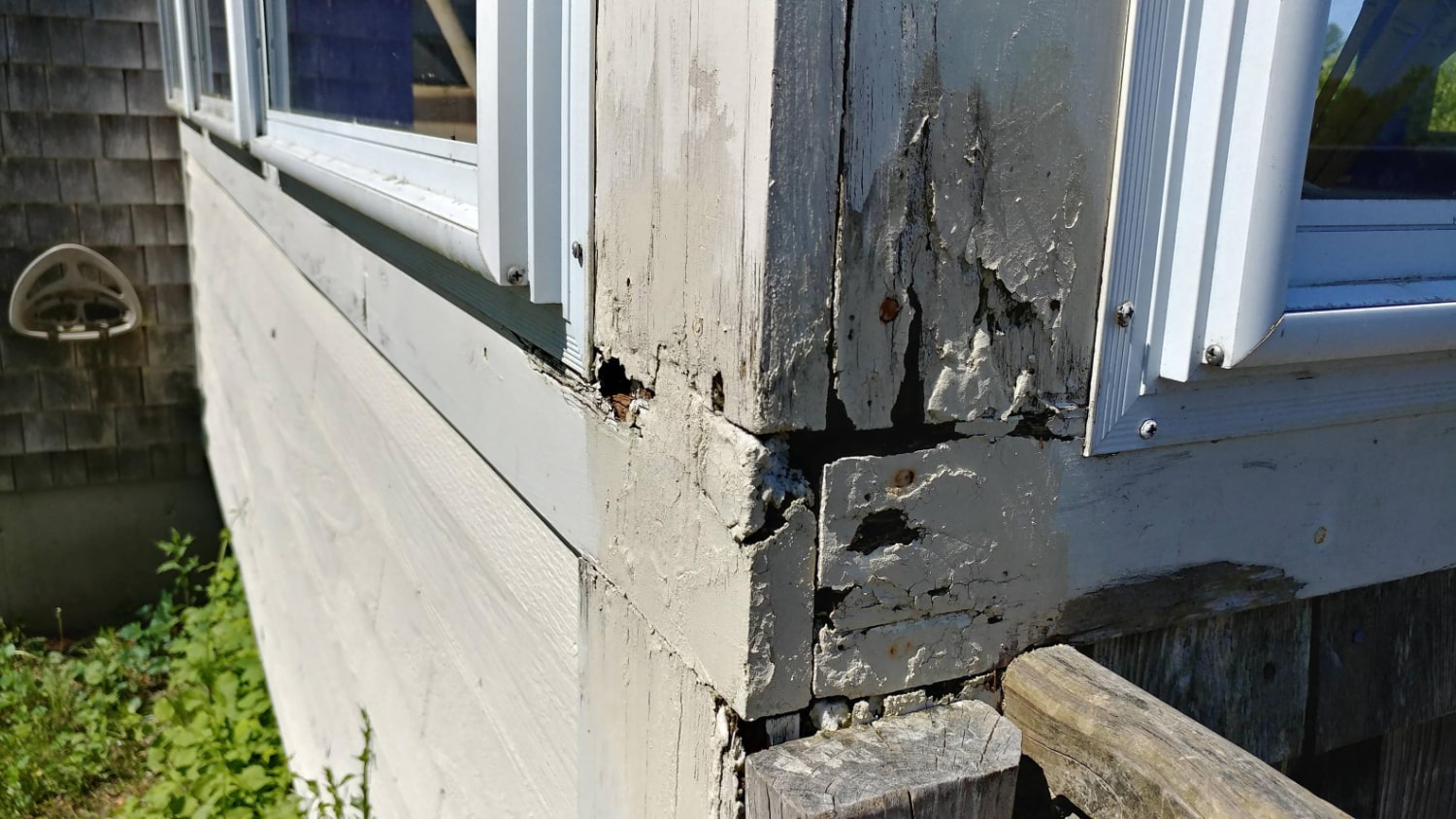
Gutters that overflow or leak allow water to cascade down your home’s exterior, soaking fascia boards and siding. In Seattle’s humid climate, this trapped moisture creates perfect conditions for dry rot – a fungal decay that weakens wood and compromises your home’s structure.
Blocked gutters also cause water to pool around your foundation, leading to soil erosion, cracks, and water intrusion into the crawl space. During winter, freeze-thaw cycles form ice dams that force water under shingles and into attics, saturating roof decking.
The financial impact is significant. Professional gutter cleaning typically costs $150 to $350 per visit, while repairing damage from dry rot, foundation issues, or deteriorated siding often costs thousands. Keeping gutters clean and functional prevents water from reaching vulnerable areas of your home.
Gutter Maintenance by Season
Seattle’s weather calls for consistent gutter care throughout the year. Each season comes with its own set of challenges, from spring pollen to winter ice dams. Staying ahead of these issues prevents small problems from turning into major headaches.
Spring Gutter Tasks
Spring in Seattle means dealing with twigs, fir cones, and maple seed pods that cover roofs during this time of year. These seed pods are notorious for forming thick clogs that can block water flow even during lighter rainfalls.
Inspect for damage caused by winter freeze-thaw cycles. Check for cracks, loose fasteners, and sagging sections that may have been strained by ice buildup. Use a garden hose to flush out the gutters and reveal any hidden leaks. Before the rain picks up in late spring, tighten loose hangers and ensure everything is secure.
Summer Gutter Tasks
Summer’s dry weather is perfect for tackling repairs and preventive maintenance. Seal any small holes or cracks with gutter sealant while conditions are dry. Trim back overhanging branches to reduce future debris and curb moss growth that thrives in Seattle’s damp, shaded environment.
Inspect for bird nests or insect activity, as these pests can create clogs and other issues. Clear away any lingering pollen and check for sagging sections, which could signal weakened supports. Even in summer, sudden storms can bring debris that leads to standing water – ideal breeding grounds for mosquitoes.
Fall Gutter Tasks
Fall is the busiest time for gutter maintenance in Seattle. With Bigleaf Maples shedding their leaves and heavy rains arriving, gutters can clog quickly. Cleaning every 2 to 3 weeks during peak leaf-drop season is essential for staying ahead of the problem.
Watch for water spilling over the edges during rainstorms – a telltale sign of a blockage. Check fascia boards for any soft or damp spots that could indicate drainage problems. Make sure downspout extensions direct water at least 4 to 6 feet away from your home’s foundation.
If cleaning feels overwhelming, professional services typically range from $150 to $350, depending on your roof’s pitch and the amount of debris.
Winter Gutter Tasks
Winter maintenance focuses on managing snow, ice, and the damage they can cause. After snowfall, use a roof rake to clear snow from the edge of the roof. Remove icicles with roof-safe melt products and ensure downspouts do not freeze up. Icicles hanging from your gutters often signal water backup and refreezing issues.
Avoid using sharp tools to break up ice dams, as they can damage gutters and shingles. Keep an eye out for water stains on your siding, which could indicate blockages. While full cleanings might not be as frequent in winter, periodic checks after storms help catch problems early before they worsen by spring.
Tools and Methods for Cleaning Gutters
Having the right tools makes gutter cleaning safer and more efficient. At the very least, you need a sturdy extension ladder with proper stabilization, waterproof gloves to protect your hands, and safety glasses to shield your eyes.
A gutter scoop or plastic trowel is far more effective than using your hands to remove compacted leaves and debris. Use a bucket with a hook that attaches to the ladder for collecting waste and keeping your yard clean.
Once the bulk of the debris is cleared, a garden hose with a spray nozzle is perfect for flushing out the gutters. If climbing a ladder is not an option, telescoping gutter-cleaning wands or leaf blower extension kits allow you to clean from the ground.
How to Clean Gutters Safely
Ladder safety is critical. Follow the four-to-one rule: place the ladder base 1 foot out for every 4 feet of height. Always maintain three points of contact and avoid standing on the top two rungs. Having someone on the ground to stabilize the ladder adds an extra layer of safety.
Choose a dry day for the task – wet debris is heavier and increases the risk of slipping on the ladder. Begin by manually removing large debris like leaves and twigs. Work in small sections, moving the ladder frequently instead of stretching too far, which can cause falls.
After clearing visible debris, use a garden hose to flush the gutters. Start at the end farthest from the downspout and work your way toward it, ensuring all sediment is pushed through the system. Pay close attention to corners and downspouts. If you hear gurgling sounds while flushing, it is a sign of a clog.
For stubborn blockages, use a bent metal hanger or a steady stream from a power washer to clear the obstruction. While cleaning, inspect for sagging sections, rust, or loose fasteners and tighten or repair them as needed.
Fixing Common Gutter Problems
Seattle’s heavy rainfall puts gutters to the test, often leading to overflows, sagging, and leaks. Tackling these issues early prevents costly repairs down the line.
Finding and Clearing Clogs
Clogs are one of the most common gutter issues, and clearing them is essential to prevent water from backing up. Debris tends to build up in downspout elbows and corners, creating blockages. If you notice water pooling in the middle of a gutter run instead of flowing toward the downspout, there is likely a clog.
Start by removing debris with a gutter scoop, then flush the system using a garden hose. For downspouts, clear blockages by inserting a leaf blower or using a steady stream of water from the top. Once air or water flows freely through the pipe, the clog is gone.
If standing water remains after clearing clogs, the gutter’s pitch may need adjusting, which might involve repositioning hangers.
Fixing Leaks and Sagging Sections
Water damage from clogs can lead to leaks and sagging, but targeted repairs can restore functionality. For minor leaks or seam separations, apply gutter sealant to a clean, dry surface. Larger holes can be patched with thin metal and waterproof tape. Once the sealant has cured – usually within 24 to 48 hours – test the repair by running water through the gutters.
To fix sagging, tighten any loose hangers. If needed, replace nails with roofing screws for better hold, and consider adding extra hangers to support areas prone to heavy debris.
When to Hire Professional Help
When routine maintenance stops solving recurring problems, it is time to call in the experts. Visible damage like sagging, broken seams, large cracks, or significant rust is a clear indicator. These problems are often seen in gutters that are 10 to 15 years old. If your gutters are over 20 years old, replacement might be a better option than ongoing repairs.
Water management problems are another red flag. If your gutters overflow every time it rains even after cleaning, it could signal deeper issues. In Seattle, standard gutters should be five to six inches wide to handle the frequent rain effectively.
Damage beyond the gutters is also a concern. Signs like peeling paint, wood rot, or soft fascia boards and soffits mean water is bypassing your gutters and harming your home’s structure. You can test fascia boards by pressing gently with a screwdriver – if the wood feels soft or spongy, it likely needs professional dry rot remediation.
Safety risks are another reason to call for professional help. Inspections after storms or work on steep roofs are best left to experts. Frequent clogs that persist despite cleaning may also mean your gutter system needs a complete overhaul.
Seasonal gutter maintenance is essential to protecting your home in Seattle’s wet climate. Cleaning at least twice a year prevents water damage that can lead to foundation cracks, dry rot, and structural repairs costing thousands.
If you notice sagging gutters, rainwater overflow, or water stains on your siding, do not ignore them. These are clear indicators that it is time for professional help. Contact our team for expert gutter-related exterior repairs and moisture protection services.
Not sure how bad yours is?
Send a photo or describe the spot over the phone. We will tell you whether it is a patch, a section, or something structural before anyone comes out.
Mon–Fri, 7:00am – 5:00pm
Questions homeowners ask us about this
How often should I clean my gutters in Seattle?
Do gutter guards work with fir and pine needles?
When is gutter damage serious enough to call a professional?
Can clogged gutters really cause dry rot?
Read next
- Dry Rot
5 Moisture Control Tips to Prevent Dry Rot
Five proven moisture-control steps to prevent dry rot: improve ventilation, fix leaks promptly, clean gutters, seal exposed wood, and schedule inspections.
- Dry Rot
Preventing Water Intrusion in Seattle Homes: Essential Guide
Ignoring small leaks in Seattle invites expensive dry rot and mold. Seal trim, install moisture-resistant siding, and maintain gutters to prevent damage.
- Siding Repair
Seattle Winters: Protecting Exterior Materials
Learn how Seattle's rainy, freeze-thaw winters damage siding, trim, and roofs, and which inspections, repairs, and materials prevent dry rot and leaks.
Where this leads
Get a straight answer on your siding, trim, or rot
Free estimate, no obligation, and usually a slot the same week. We cover Seattle, Bellevue, Redmond, Kirkland, Bothell, and Tacoma.
Mon–Fri, 7:00am – 5:00pm · Free estimates · Same-week scheduling