
How to Choose a Siding Contractor in Seattle: 10 Questions
10 essential questions to ask before hiring a siding contractor in Seattle. WA licensing, insurance, red flags, and what good answers look like.
By Seattle Trim Repair · Published · Updated
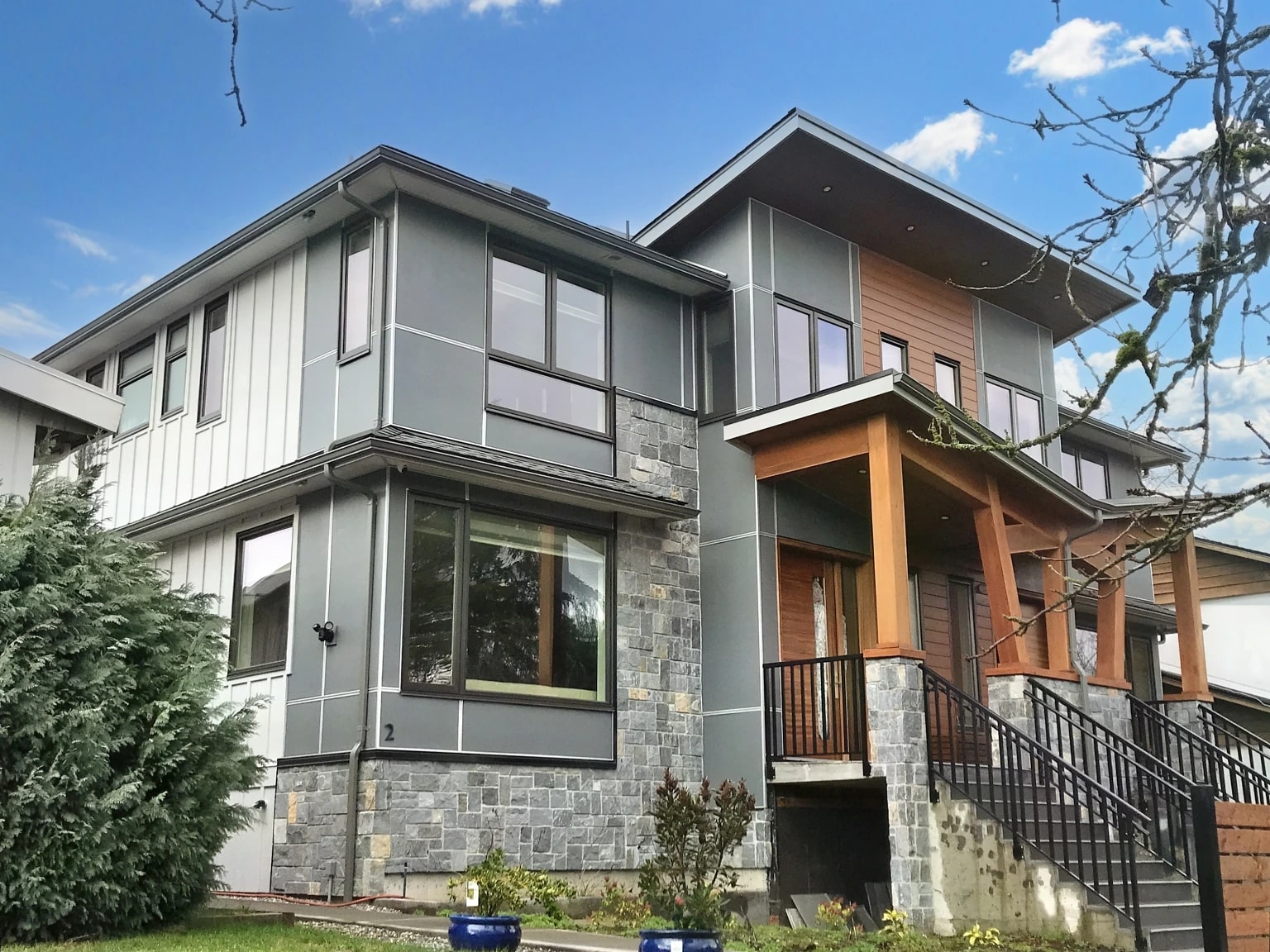
Hiring a siding contractor in Seattle is one of the most important decisions you will make for your home. The right contractor protects your home from the Pacific Northwest’s relentless rain, wind, and moisture, while the wrong one can leave you with shoddy work, hidden damage, and thousands of dollars in future repairs.
Finding a trustworthy siding contractor does not have to be stressful. By asking the right questions upfront, you can quickly separate the professionals from the pretenders. This guide gives you 10 specific questions to ask every contractor before you sign anything, along with what good and bad answers actually look like. Whether you need a full siding replacement or targeted repair work, these questions will help you make a confident, informed decision.
Are You Licensed and Bonded in Washington State?
This is the single most important question you can ask, and it should be the first thing out of your mouth. In Washington State, every contractor performing work over $600 must be registered with the Department of Labor and Industries. This is not optional. It is state law.
A registered contractor will have an active UBI number and a contractor registration number you can verify online through the L&I contractor search tool. Registration means the contractor has posted a surety bond, which gives you financial recourse if they fail to complete the work or cause property damage.
A reputable contractor will volunteer this information without hesitation and say something like: “Yes, we are fully registered with L&I. Here is our contractor registration number. You can verify it online anytime.” If you hear responses like “We don’t really need that for this size job” or “We’re working on getting that set up,” walk away immediately. An unregistered contractor is breaking the law, and you lose all legal protections if something goes wrong.
Do You Carry Liability Insurance and Workers’ Compensation?
Insurance is your safety net. General liability insurance covers damage to your property during the project. Workers’ compensation insurance covers injuries to the crew working on your home. Without both, you could be held financially responsible if a worker falls off a ladder on your property or if a misplaced tool damages your window.
Washington State requires contractors to carry workers’ comp through L&I for all employees. Ask to see a current certificate of insurance and verify that it has not expired. A phone call to the insurance company can confirm coverage in minutes.
Professionals expect this question and have documentation ready. They will say: “We carry both general liability and workers’ comp. I can email you our certificate of insurance today.” Be wary of responses like “My guys are independent contractors, so we don’t need workers’ comp” or “We’ve never had an accident.” These should raise serious concerns. Misclassifying employees as independent contractors is a common tactic to avoid insurance costs, and it puts you at risk.
How Long Have You Worked on Homes in Seattle Specifically?
General contracting experience matters, but local experience matters more. Seattle has unique challenges that contractors from other regions may not understand. Our homes face 37 inches of annual rainfall, persistent gray-sky moisture, and temperature swings that stress siding materials. Many neighborhoods feature older Craftsman-style homes with complex trim details that require specialized knowledge.
A contractor who has spent years working in Seattle understands how moisture migrates behind siding in our climate. They know which materials hold up best in Ballard versus Capitol Hill. They have seen how poorly installed flashing leads to dry rot in just a few seasons.
Look for specific local knowledge, not vague references to “years of experience.” A good answer sounds like: “We’ve been working on Seattle homes for over 20 years. We know the common problem areas in older homes here and which materials perform best in this climate.” A bad answer sounds like: “We just moved our operation up from Arizona” or vague references without any Seattle-specific details. Climate knowledge cannot be faked, and your home will pay the price if your contractor lacks it.
Can You Provide Local References I Can Actually Visit?
Online reviews are helpful, but nothing replaces seeing completed work in person and talking to the homeowner who hired them. Ask for three to five references from projects completed in the past year, ideally in your neighborhood or on homes similar to yours.
When you contact references, ask specific questions: Did the crew show up on time? Was the final cost close to the estimate? Did they clean up after themselves? Would you hire them again? If possible, drive by the completed projects and look at the quality of the work from the street.
Contractors who are proud of their work are eager to show it off. They will say: “Absolutely. I have several recent projects in your area. Let me send you their contact information and addresses.” Be cautious of contractors who say “We don’t really give out customer information” or “Just check our Google reviews.” While privacy concerns are valid, a contractor who cannot produce a single reference willing to vouch for them is a red flag.
What Siding Materials Do You Recommend for Seattle’s Climate?
This question tests both expertise and honesty. A knowledgeable siding contractor in Seattle should be able to discuss the pros and cons of multiple materials and explain why certain options perform better in our wet climate.
James Hardie® fiber cement is widely considered the gold standard for the Pacific Northwest. It resists moisture, does not rot, holds paint well, and stands up to decades of Seattle weather. Western Red Cedar is beautiful and traditional but requires more maintenance and is vulnerable to moisture damage if not properly sealed. LP SmartSide® engineered wood offers a good balance of aesthetics and durability with less upkeep than natural cedar. Vinyl siding is affordable but can crack in cold snaps and may trap moisture behind it if improperly installed.
A good contractor will ask about your budget, your home’s architectural style, and your maintenance preferences before making a recommendation. They should never push the most expensive option without explaining why it is worth the investment. Look for answers like: “For Seattle, I generally recommend fiber cement because of its moisture resistance, but let me look at your specific situation first. Your home’s style and your budget both factor into the best choice.”
Avoid contractors who say “We only install one brand” or “Whatever’s cheapest.” A one-size-fits-all approach suggests limited expertise, and a race to the bottom on price usually means corners will be cut.
Do You Handle Trim Repair Alongside Siding Work?
Siding and trim are deeply connected. When siding fails, the trim around windows, doors, and corners is often damaged too. If your siding contractor does not handle trim repair, you will need to hire a second contractor, which means extra cost, scheduling headaches, and potential finger-pointing if something goes wrong.
The best siding contractors treat trim as an integral part of the project, not an afterthought. They inspect all trim during the initial assessment, identify areas of rot or damage, and include trim repair in their scope of work. This is especially important in Seattle, where moisture intrusion around window and door trim is one of the most common causes of structural damage.
A good answer sounds like: “Trim repair is part of what we do on every siding project. We inspect all the trim during our initial walkthrough and include any necessary repairs in the estimate.” A bad answer sounds like: “We just do the siding panels. You’ll need someone else for the trim.” Separating these two trades often leads to gaps in weatherproofing and accountability.
What Is Your Warranty on Labor and Materials?
A warranty tells you how much a contractor stands behind their work. There are two warranties to ask about: the manufacturer’s warranty on the siding materials and the contractor’s warranty on their labor and installation.
Most major siding manufacturers offer warranties ranging from 15 years to lifetime coverage on their products. However, these warranties often require professional installation to remain valid. The contractor’s labor warranty covers the quality of the installation itself, including flashing, caulking, and trim work.
Ask for the warranty terms in writing before the project starts. Understand what is covered, what voids the warranty, and how long it lasts. A contractor who offers a strong labor warranty is telling you they are confident in the quality of their work.
A good answer sounds like: “We provide a written workmanship guarantee on all our labor, and the materials we use come with their own manufacturer warranty. I’ll include all warranty details in your estimate.” A bad answer sounds like: “If anything goes wrong, just give us a call.” Verbal promises are worthless. If it is not in writing, it does not exist.
How Do You Handle Hidden Damage Like Dry Rot Behind Siding?
This is where experienced contractors separate themselves from the rest. In Seattle, dry rot behind siding is not a possibility. It is a probability, especially on homes more than 15 years old. When you peel back failing siding, you often find rotted sheathing, damaged framing, or compromised moisture barriers underneath.
A reputable contractor will explain their process for dealing with hidden damage before the project begins. They should tell you how they will communicate the discovery, how it affects the timeline and cost, and what their approach is to dry rot repair and structural remediation.
A good answer sounds like: “We encounter hidden damage on most Seattle projects. When we find it, we stop work, document everything with photos, and contact you immediately with options and costs before proceeding. We never just cover it back up.” A bad answer sounds like: “We usually don’t run into that” or “We’ll just deal with it as we go.” A contractor who dismisses the possibility of hidden damage in Seattle either lacks experience or plans to cover it up and move on.
Will You Provide a Detailed Written Estimate?
A written estimate protects both you and the contractor. It should itemize materials, labor, disposal fees, permit costs, and any other charges. It should clearly describe the scope of work, including which areas of the home will be addressed and what is excluded.
Compare estimates from at least three contractors, but do not simply choose the cheapest bid. Look at what is included. A low estimate that omits trim repair, flashing replacement, or disposal fees will end up costing more once change orders start piling up. A thorough estimate that accounts for every detail is a sign of a contractor who plans carefully and communicates honestly.
A good answer sounds like: “I will provide a detailed written estimate that breaks down every cost. If anything changes during the project, I will discuss it with you and get your approval before proceeding.” A bad answer sounds like: “I’ll ballpark it around ten thousand” or “We’ll figure out the final number once we get started.” Vague pricing is a recipe for surprise bills and disputes.
What Is Your Timeline and How Do You Handle Rain Delays?
It rains in Seattle. A lot. Any siding contractor working in this city needs a clear plan for managing weather delays. Ask how they schedule work around the forecast, how they protect exposed areas of your home during rain, and how delays affect the overall project timeline.
A professional contractor will build weather contingencies into their schedule from the start. They will have tarps and protective coverings on site. They will communicate proactively when the schedule shifts. They understand that some tasks, like painting and caulking, require dry conditions and cannot be rushed.
A good answer sounds like: “We monitor the weather closely and schedule accordingly. If rain hits mid-project, we tarp all exposed areas and shift to interior or covered tasks. We’ll keep you updated on any timeline changes.” A bad answer sounds like: “We just power through it” or “Rain doesn’t bother us.” Installing siding in the rain compromises caulk adhesion, paint quality, and moisture barrier integrity. A contractor who ignores weather conditions is cutting corners at your home’s expense.
Red Flags That Should Send You Running
Beyond the ten questions above, watch for these warning signs that indicate an unreliable or potentially fraudulent contractor:
No contractor registration with Washington L&I is non-negotiable. Unregistered contractors are operating illegally, and you have no recourse if they damage your home or abandon the project. High-pressure sales tactics like “This price is only good today” or “I have another client who wants this slot” are manipulation techniques. A legitimate contractor gives you time to make an informed decision.
Cash-only payment demands are a major warning sign. It often indicates a contractor who does not report income, does not carry insurance, and may disappear mid-project. Always pay by check or card and get a receipt. Every project should have a signed contract that outlines the scope of work, payment schedule, timeline, warranty terms, and dispute resolution process. If a contractor resists putting things in writing, they are protecting themselves, not you.
A contractor who demands full payment upfront may be using your money to finance other projects or may not complete the work at all. A reasonable deposit is normal, typically 10 to 30 percent. A contractor who operates only through a cell phone and a P.O. box is harder to hold accountable. Look for an established business with a verifiable location.
Choosing a siding contractor in Seattle does not have to feel like a gamble. When you ask these ten questions, you quickly learn which contractors are invested in doing quality work and which ones are just chasing a paycheck. Take your time. Get multiple estimates. Verify licenses and insurance. Visit past projects. Trust your instincts when something feels off.
If you need expert siding repair or installation in Seattle, schedule a free estimate at /siding-repair/ or call (425) 517-1751.
Not sure how bad yours is?
Send a photo or describe the spot over the phone. We will tell you whether it is a patch, a section, or something structural before anyone comes out.
Mon–Fri, 7:00am – 5:00pm
Questions homeowners ask us about this
What should I look for in a siding contractor's license?
Why is local Seattle experience more important than general experience?
How can I verify a contractor's insurance coverage?
What are the biggest red flags when hiring a siding contractor?
Read next
- Siding Repair
Siding Repair vs. Replacement: How to Decide
Should you repair or replace your siding? Decision framework with Seattle cost ranges, the 30 percent rule, and material-specific guidance.
- Siding Repair
Top Factors Affecting Siding Repair Costs in Seattle
Explore the factors influencing siding repair costs in Seattle, including material choices, labor rates, and climate-specific moisture challenges.
- Trim Repair
How to Choose Rot-Resistant Trim for Seattle Homes
Compare fiber cement, cedar, PVC, and engineered trim for Seattle's wet climate. Make the right choice for long-term protection and lower maintenance.
Get a straight answer on your siding, trim, or rot
Free estimate, no obligation, and usually a slot the same week. We cover Seattle, Bellevue, Redmond, Kirkland, Bothell, and Tacoma.
Mon–Fri, 7:00am – 5:00pm · Free estimates · Same-week scheduling