
Siding Repair ROI: How Siding Affects Seattle Home Value
Fiber cement siding recoups 70-80% at resale in Seattle. Learn how siding condition affects appraisals, inspections, and buyer perception in King County.
By Seattle Trim Repair · Published · Updated
Siding condition directly affects Seattle home values through buyer perception, inspection findings, appraisal adjustments, and energy performance. With median home prices above $850,000, visible siding damage signals deferred maintenance that triggers buyer concerns, repair demands, and price reductions.
Fiber cement siding replacement recoups 70-80 percent of cost at resale nationally, with higher returns in competitive West Coast markets when the alternative is presenting buyers with deteriorating exteriors. Here is how siding impacts your home’s value and when repair versus replacement delivers the best return.
Seattle Market Context: Why Condition Matters
Seattle buyers are educated, selective, and have options. When inventory is tight and prices are high, condition becomes the primary filter. A home listed at $900,000 with peeling paint, cracked fiber cement panels, or rotting cedar trim raises immediate red flags.
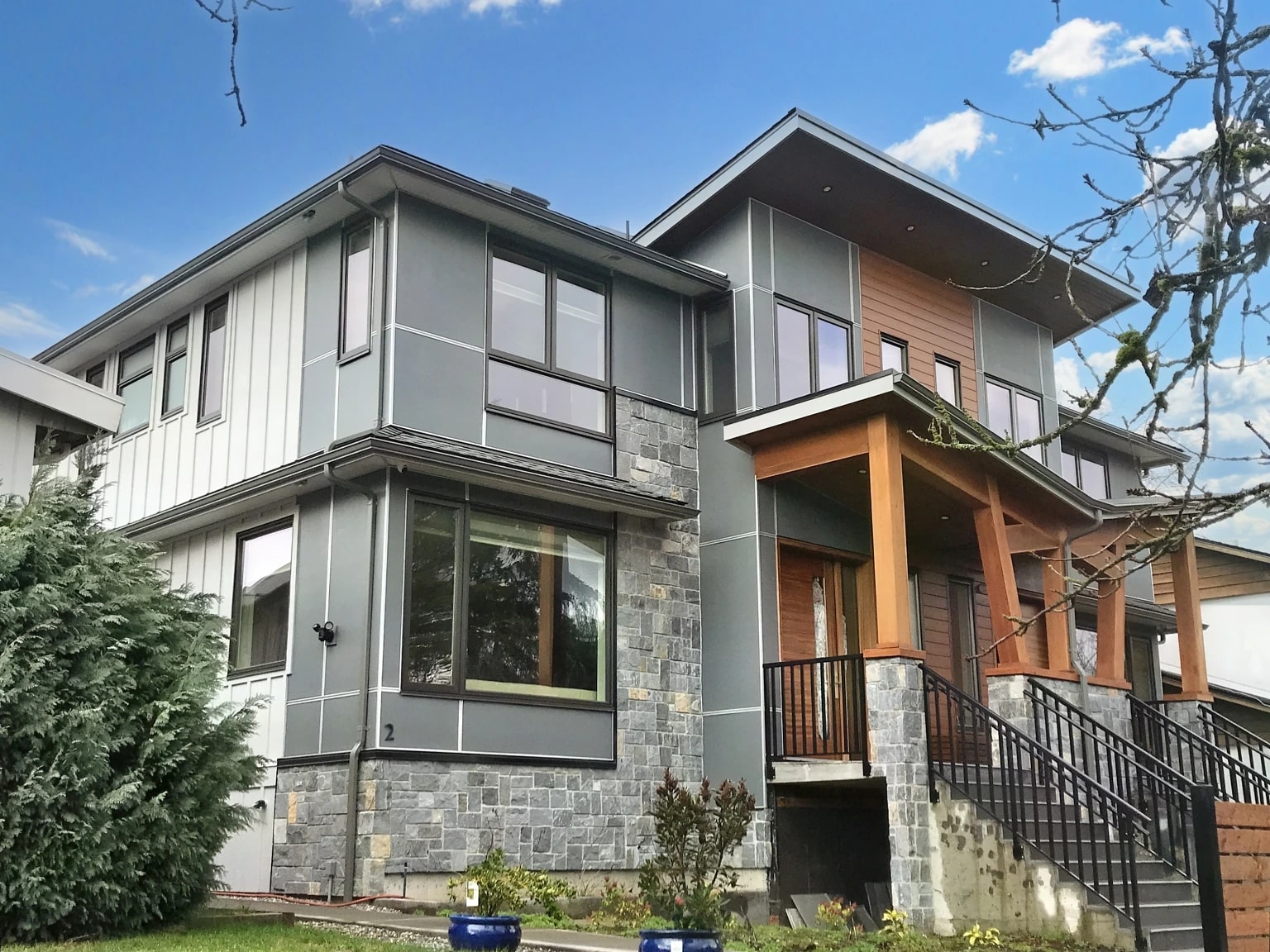
Curb appeal is not a soft metric here; it is the first decision point. Real estate agents throughout King County report homes with well-maintained exteriors sell faster and attract stronger opening offers. Visible siding damage signals deferred maintenance, prompting buyers to question what else has been neglected behind the walls.
In neighborhoods like Ballard, Queen Anne, Capitol Hill, and Wallingford where property values routinely exceed citywide medians, standards are higher. These are neighborhoods where homeowners invest in their properties. A house with damaged siding stands out negatively. Keeping pace with neighborhood standards directly affects appraised value.
How Damaged Siding Affects Inspections
Home inspectors do not treat damaged siding as cosmetic. They flag it as potential pathway for moisture intrusion, pest entry, and structural compromise. In Seattle’s damp climate where 155 annual rainy days accelerate moisture problems, these findings carry extra weight.
Common Inspection Red Flags
- Visible rot or soft spots in wood or composite siding
- Cracks or chips in fiber cement panels exposing substrate
- Gaps between siding and trim allowing water penetration
- Bubbling, peeling, or flaking paint indicating trapped moisture
- Mold or mildew staining, especially on north-facing walls
- Damaged or missing flashing around windows and corners
Any of these findings triggers repair demands during negotiations, price reductions, or causes buyers to walk away entirely. Appraisers may adjust home value downward if exterior condition is noticeably below neighborhood standards. In a market where every dollar of equity matters, that adjustment can cost tens of thousands.
Energy Efficiency and Operating Costs
Seattle’s mild climate still demands heating from October through April. Siding is a critical component of the building envelope, and when compromised, energy costs reflect it.
Properly installed and sealed siding prevents air infiltration. When panels are cracked, warped, or pulling away from walls, gaps form allowing conditioned air to escape and outside air to enter. Heating systems compensate by running longer and harder, driving up utility bills.
Replacing or repairing damaged siding with modern materials and proper sealing reduces heating costs. Fiber cement provides excellent dimensional stability and does not warp or shrink like older wood siding, maintaining tighter seams with fewer gaps over time. Adding or replacing house wrap during siding projects further improves the thermal envelope.
For Seattle homeowners this delivers double benefits: immediate monthly utility savings and a selling point resonating with value-conscious buyers. Annual savings of $150-400 translate to $4,500-12,000 over 30 years, a meaningful advantage Seattle buyers increasingly prioritize.
Cost of Neglect: The Escalation Pattern
Delaying siding repairs because damage seems minor is one of the costliest mistakes homeowners make. Seattle’s climate accelerates deterioration in ways homeowners from drier regions may not anticipate.
Typical Progression A small crack in fiber cement or split in cedar allows moisture to reach wall sheathing. In Seattle’s wet season, that moisture does not dry quickly. Over weeks and months it saturates sheathing, creating conditions for mold growth and wood rot. Once rot reaches structural framing, you are no longer dealing with siding repair; you face structural repair costing five to ten times as much.
Cost Comparison
- Targeted siding repair (few damaged panels or boards): $500-2,500
- Mold remediation after moisture penetration: $2,000-10,000+
- Structural framing repair due to prolonged rot: $5,000-20,000+
- Full siding replacement after years of neglect: $15,000-40,000+ for average Seattle homes
The math is straightforward: a $1,500 repair today prevents a $15,000 problem two to three years later. This is not speculation; it is a pattern siding contractors in the Pacific Northwest see repeatedly.
Repair vs. Replace: ROI Decision Framework
Full siding replacement gets attention in ROI studies, but targeted repair often delivers stronger return on investment because cost is dramatically lower while impact on home value and marketability is nearly as significant.
When Full Replacement Makes Sense
- Damage is widespread affecting more than 30 percent of total siding area
- Existing siding material has reached end of expected lifespan
- Updating from outdated material to more durable and attractive options
- Original cedar siding from 1970s failing in multiple areas
Replacing with fiber cement in these cases is likely the better long-term investment.
When Targeted Repair Wins
- Siding is generally in good condition with damage concentrated in specific areas
- Existing material is less than 15 years old
- Damage is localized to high-exposure walls, areas around leaking gutters, or specific trim sections showing early rot
- Selling within 12 months where lower repair cost yields higher percentage return
Targeted repair resolves functional and aesthetic issues, protects structure, and preserves home value without spending $25,000-plus on full replacement.
Decision Factors
- Age of existing siding: Less than 15 years old with localized damage favors repair
- Extent of damage: More than 30 percent of total area tips toward replacement
- Material availability: If existing profile is still available, repairs blend seamlessly at far lower cost
- Timeline to sale: Selling within a year often favors repair’s lower cost and higher percentage return
- Neighborhood expectations: High-value neighborhoods may require full replacement with premium materials to stay competitive
Material Selection Impact on Value
Seattle buyers have specific preferences shaped by local climate. Understanding which materials perform best helps make smarter investment decisions.
Fiber Cement (James Hardie, Similar) Top performer for ROI in Seattle market. Stands up to moisture without rotting, holds paint well, resists pests, and has clean modern appearance appealing to wide buyer range. Most commonly recommended by real estate agents preparing homes for sale.
Full replacement: $15,000-30,000 for typical home ROI at resale: 70-80 percent nationally, often 85-90 percent in competitive Seattle neighborhoods Maintenance: Minimal; repaint every 10-15 years
Cedar Siding Remains popular in neighborhoods like Ballard and Mount Baker where it is part of architectural character. Well-maintained cedar carries strong curb appeal, but buyers are aware of higher maintenance requirements.
Full replacement: $10,000-30,000 depending on grade and home size ROI at resale: 60-75 percent; higher when condition is excellent Maintenance: Restain or repaint every 3-7 years at $800-2,000 per cycle
Engineered Wood and Composite Occupy middle ground. Cost less than fiber cement, offer good durability, and present well when properly installed. Smart choice for mid-range price neighborhoods when budget is a factor.
Full replacement: $10,000-25,000 for typical home ROI at resale: 65-75 percent Maintenance: Moderate; inspect and maintain every 5-10 years
Vinyl Siding Less prevalent in Seattle and generally does not add same value. Buyers in this market tend to associate vinyl with lower-quality construction, working against you in higher-end neighborhoods.
Full replacement: $8,000-20,000 ROI at resale: 55-70 percent; lower in premium neighborhoods
Appraisal and Negotiation Impact
Appraisers adjust home values based on condition relative to comparable sales. Siding in poor condition compared to recently sold homes in your neighborhood results in downward adjustments.
Typical Appraisal Adjustments
- Minor siding issues (peeling paint, few cracks): $1,000-3,000 reduction
- Moderate damage (visible rot, multiple problem areas): $3,000-8,000 reduction
- Severe damage (widespread failure, structural concerns): $8,000-20,000+ reduction
These adjustments directly affect your sale price and equity position at closing.
During negotiations, inspection findings related to siding trigger buyer repair demands or price reduction requests. In competitive markets, well-maintained exteriors eliminate this negotiation leverage, protecting your asking price.
Protecting Your Investment
For most Seattle homeowners, their home is their largest financial asset. Siding is one of the most visible and functionally important components protecting that asset.
When siding is in good condition it protects structure, reduces energy costs, maintains curb appeal, and supports market value. When damaged or deteriorating, every benefit erodes and the cost of catching up grows with each passing season.
Whether you need targeted repairs to problem areas or you are considering full siding upgrade, the key is acting before small problems become expensive ones. In Seattle’s damp climate, the window between minor cosmetic damage and serious moisture intrusion is shorter than most homeowners expect.
Investment Protection Strategy
- Inspect siding twice yearly for damage
- Address small issues immediately before moisture reaches substrate
- Budget for preventive maintenance: $150-400 annually
- Plan major repairs or replacement based on condition, not emergency
- Choose materials and contractors experienced in Pacific Northwest moisture management
When to Invest in Siding Work
Before Listing Your Home If planning to sell within 12 months, assess siding condition early. Visible damage deters buyers and triggers low offers. Budget $500-2,500 for targeted repairs addressing obvious issues, or $15,000-30,000 for full replacement if damage is extensive and neighborhood standards demand it.
ROI on pre-sale siding work typically runs 80-150 percent for repairs and 70-90 percent for full replacement in Seattle’s competitive market.
As Preventive Maintenance If staying in your home 5-plus years, invest in preventive maintenance and timely repairs. This protects structure, maintains energy efficiency, and preserves equity. Annual maintenance costs $150-400. Targeted repairs every 5-10 years run $500-3,000. Full replacement at 25-40 years costs $15,000-40,000 depending on materials.
Spread over the siding’s lifespan, preventive investment is far less expensive than emergency repairs or full replacement driven by neglect.
Professional Assessment Value
For accurate ROI analysis specific to your home, professional assessment identifies:
- Extent of damage requiring attention
- Whether repair or replacement makes financial sense
- Material options balancing cost and neighborhood expectations
- Accurate project costs for budgeting
Free assessments from qualified contractors provide this information without obligation, helping you make informed decisions protecting your largest asset.
For expert siding assessment and repair throughout King County, contact Seattle Trim Repair at (425) 517-1751 for a free on-site evaluation and detailed project estimate.
Not sure how bad yours is?
Send a photo or describe the spot over the phone. We will tell you whether it is a patch, a section, or something structural before anyone comes out.
Mon–Fri, 7:00am – 5:00pm
Questions homeowners ask us about this
What return on investment can I expect from siding replacement in Seattle?
How does damaged siding affect home inspections and appraisals?
Should I repair or replace siding before selling my Seattle home?
How do energy efficiency improvements from new siding affect home value?
Read next
- Installation
Siding Replacement Cost Seattle 2026
How much does siding replacement cost in Seattle? 2026 pricing for cedar, James Hardie, vinyl, and engineered wood. Get accurate cost factors and estimates.
- Siding Repair
Top Factors Affecting Siding Repair Costs in Seattle
Explore the factors influencing siding repair costs in Seattle, including material choices, labor rates, and climate-specific moisture challenges.
- Siding Repair
Siding Repair vs. Replacement: How to Decide
Should you repair or replace your siding? Decision framework with Seattle cost ranges, the 30 percent rule, and material-specific guidance.
Get a straight answer on your siding, trim, or rot
Free estimate, no obligation, and usually a slot the same week. We cover Seattle, Bellevue, Redmond, Kirkland, Bothell, and Tacoma.
Mon–Fri, 7:00am – 5:00pm · Free estimates · Same-week scheduling