
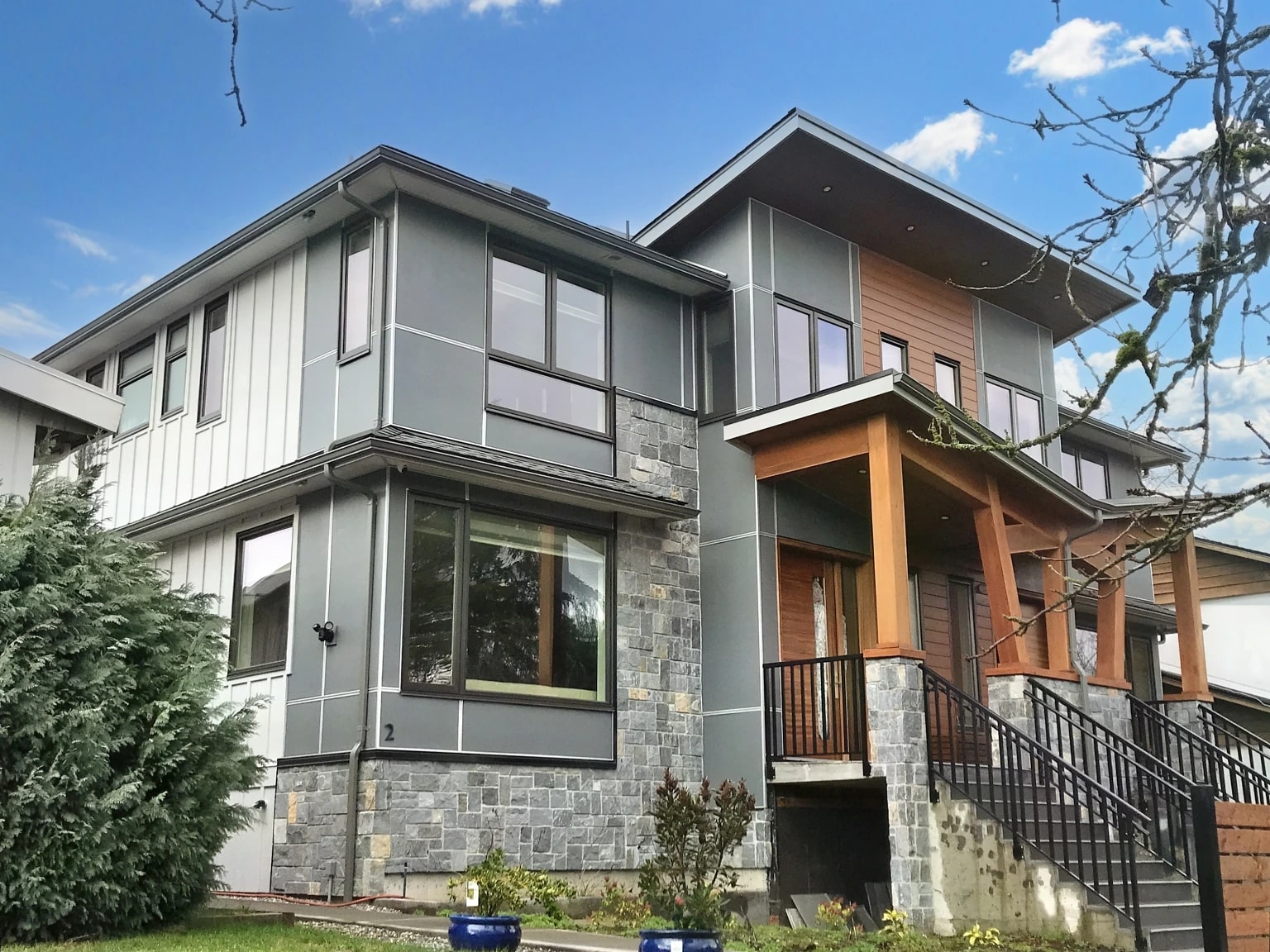
How Freeze-Thaw Damages Siding
How freeze-thaw cycles crack, warp, and rot siding—risks, Seattle climate effects, inspection steps, and repair or replacement options.
By Seattle Trim Repair · Published · Updated
Freeze-thaw cycles cause serious damage to siding, especially in climates like Seattle where moisture and fluctuating temperatures are constant challenges. Water seeps into cracks or porous siding, freezes, expands, and creates stress. When it thaws, the cycle repeats, gradually weakening the material.
Seattle’s frequent rain—156-plus days per year—high humidity (80 percent in December), and mild winters with temperatures near freezing amplify this damage. Cracks, warping, and dry rot develop, allowing water to infiltrate and damage your home’s structure.
Fiber cement, vinyl, and wood are particularly vulnerable. Engineered wood and rainscreen systems offer better resistance. Regular inspections, sealing gaps, maintaining caulking, and choosing durable siding materials protect your home from freeze-thaw damage.
How Freeze-Thaw Cycles Damage Siding
Water seeps into siding through small cracks, seams, or porous surfaces. When temperature dips below 32°F, that water freezes and expands, putting immense stress on the material. As temperatures rise and ice thaws, pressure eases temporarily—only for the cycle to repeat. Over time, this constant stress weakens the siding.
Water expands by nearly 10 percent as it freezes. If water gets trapped in siding material like fiber cement and temperature falls below 32°F, it creates extreme pressure on the material as it expands. Each cycle takes its toll, gradually wearing down the siding. This repeated mechanical stress is why different materials react differently to freeze-thaw conditions.
Why Siding Materials Are at Risk
Different siding materials face unique challenges when exposed to freeze-thaw cycles. Fiber cement is particularly brittle, making it prone to cracking under freezing and thawing stress. Vinyl siding, though it does not absorb water, can become brittle in the cold due to thermal expansion and contraction, causing it to crack.
Traditional wood siding readily absorbs moisture. Without regular upkeep—like sealing or painting—freeze-thaw cycles cause it to warp, split, or crack. Engineered wood offers a more durable alternative, treated with industrial-strength resins and binders that resist many issues plaguing traditional wood.
A material’s porosity plays a key role in how it handles freeze-thaw stress. Porous materials like fiber cement and wood tend to absorb and retain water, making them more prone to internal damage from freezing. Non-porous materials like metal are less affected. For wood specifically, when moisture content exceeds 26-30 percent, it reaches fiber saturation level—at this stage, decay and rot become serious concerns.
Types of Freeze-Thaw Damage to Siding
Freeze-thaw cycles wreak havoc on siding, often leading to distinct types of damage that compromise both appearance and functionality.
Cracking and Fracturing
When water seeps into siding and freezes, it exerts immense pressure, forcing the material to split apart. Over time, small hairline cracks grow larger as the freeze-thaw process repeats throughout colder months. Fiber cement siding, known for its rigidity, is especially vulnerable to visible cracks under repeated stress. Vinyl siding becomes brittle in low temperatures, increasing susceptibility to cracking during these cycles.
These cracks do more than diminish curb appeal—they create pathways for water to penetrate deeper into the structure, leading to rot and mold. Weakened siding is also more likely to be damaged during storms, with rotting around fasteners potentially causing entire boards to detach.
Warping and Buckling
Constant expansion and contraction caused by temperature changes lead to siding warping, buckling, or splitting. Wood siding is particularly at risk; without regular sealing or painting, it absorbs moisture, making it prone to distortion as temperatures fluctuate.
Signs of warping include siding pulling away from the wall or boards that no longer lie flat. While these issues may seem cosmetic at first, they escalate. Warped siding catches wind, invites pests, or allows water intrusion. It also shortens paint and stain lifespan, requiring more frequent upkeep.
Water Intrusion and Dry Rot
As ice melts during warmer periods, water seeps beneath siding panels and into the home’s structure. With every freeze-thaw cycle, moisture is driven deeper, eventually reaching wood substrates where it fosters mold, fungus, and dry rot.
Dry rot often develops out of sight, with telltale signs like peeling paint, discoloration, or soft spots revealing damage. Wood decay becomes serious when moisture levels consistently exceed 26-30 percent during warmer months. Siding that comes into contact with snow piles is particularly vulnerable, as snowmelt increases moisture penetration risk.
| Siding Material | Primary Freeze-Thaw Risk | Vulnerability Level |
|---|---|---|
| Fiber Cement | Cracking and breaking due to brittleness | Moderate to High |
| Vinyl | Cracking in cold; buckling from temperature shifts | Moderate |
| Traditional Wood | Warping, splitting, and rot from moisture | High (requires frequent maintenance) |
| Engineered Wood | Designed to resist splitting and cracking | Low |
Freeze-Thaw Risks in Seattle
Temperature Shifts Around Freezing
Seattle winters are known for temperatures teetering around the freezing point, setting the stage for frequent freeze-thaw cycles. During December and January, daily lows average between 37.1°F and 37.7°F, but monthly minimums dip as low as 25-26°F.
These fluctuations wreak havoc on siding. Moisture trapped in or behind siding freezes at night and thaws during the day. This constant cycle of expansion and contraction gradually weakens siding, leading to issues like cracking, warping, or buckling over time.
High Moisture Levels
Seattle’s famously wet climate adds another complexity layer. The city receives about 39.34 inches of precipitation annually, spread across roughly 156.2 days, making it one of the rainiest major cities by sheer number of wet days. However, it is not total rainfall that is the main concern—it is the near-constant drizzle that keeps surfaces perpetually damp.
This continuous moisture exposure means siding rarely gets a chance to fully dry. In December, relative humidity peaks at 80.1 percent, and with about 201 cloudy days annually, sunlight—a natural drying agent—is in short supply. Water that seeps into small cracks or gaps in siding can freeze when temperatures drop, causing damage over time.
Areas influenced by the Puget Sound Convergence Zone experience localized bursts of moisture and wind-driven rain, further stressing siding materials.
| Climate Factor | Seattle Average | Impact on Freeze-Thaw Damage |
|---|---|---|
| Annual Precipitation | 39.34 inches | Provides constant moisture supply for freezing |
| Precipitation Days | 156.2 days/year | Limits drying time between freeze-thaw cycles |
| December Humidity | 80.1% | Keeps siding saturated longer |
| Cloudy Days | 201 days/year | Reduces opportunities for solar drying |
| Jan/Dec Min Temps | 37.1°F – 37.7°F | Frequent crossing of freeze-thaw threshold |
Given these conditions, regular siding maintenance and effective weatherproofing are essential to minimize damage and extend siding lifespan in Seattle’s challenging climate.
How to Prevent Freeze-Thaw Damage
Regular Inspections and Maintenance
Inspect your siding twice a year—ideally in spring and fall—before extreme weather of summer or winter sets in. Look for signs like soft spots, discoloration, flaking paint, or gaps in seams that could let water seep in. Pay special attention to areas where roof meets siding, around windows and doors, and along lower sections where water splashes or snow gathers.
To further protect siding, maintain a 6-inch gap between it and soil or mulch. Adjust sprinklers so they do not spray directly on your house, keep trees and shrubs at least 1-2 feet away from siding, and clean gutters twice a year to avoid moisture buildup.
Caulking and Sealing
Reapply caulk to joints and seams to keep moisture out and reduce freeze-thaw damage risk. Before winter arrives, carefully check seams around windows, doors, and areas where different siding materials meet. Replace any cracked or deteriorating caulk immediately.
For wood siding, regular upkeep is crucial. Repaint every 5 years or restain every 2-3 years to maintain its protective moisture barrier. When installing or repairing wood siding, prime all six sides of boards, including cut edges, to enhance rot resistance.
In snowy regions, consider adding kickout diverter flashings where roof meets a wall. These channel water into gutters instead of letting it flow down siding.
Selecting Freeze-Thaw Resistant Materials
Choosing the right siding material from the start saves you from expensive repairs. Fiber cement and engineered wood products are designed to handle freeze-thaw cycles more effectively, thanks to industrial-grade binders and resins that minimize cracking.
In areas like the Pacific Northwest, fiber cement paired with a rainscreen system—which creates a small air gap for moisture to drain and dry—provides excellent durability.
For homes in regions with heavy snowfall, consider adding wainscoting made from stone, metal, or vertical board and batten along the bottom 4-6 feet of the house. This extra layer shields siding from damage caused by snow and ice.
While traditional wood siding requires more frequent maintenance, it can still perform well if consistently painted and sealed.
Professional Repair and Replacement Options
Dry Rot Inspection and Repair
Once you understand freeze-thaw damage impact, the next step is proper inspection to stop further deterioration. Professionals typically search for soft or spongy wood—telltale signs of fungal decay. This issue often arises when moisture levels exceed 20 percent. Key areas for inspection include spots where roof meets walls, around windows, and near doors—places prone to flashing failures.
Water trapped behind siding creates a damp environment perfect for wood rot to take hold. This fungal menace weakens wood structure, causing it to become soft, spongy, and lose integrity. A detailed inspection helps determine whether damage is limited to siding’s surface or has penetrated deeper into sheathing, framing, or insulation.
Catching these issues early prevents more extensive damage. To further protect against moisture, many experts recommend installing rainscreens with drainage gaps.
Siding Replacement Options
When repairs are not enough, replacing damaged siding with durable materials provides a long-term solution. Options like fiber cement and engineered wood are designed to withstand freeze-thaw cycles, reducing warping, cracking, or splitting risk. James Hardie HZ5 products, for instance, are specifically built to handle wet, freezing conditions often found in the Pacific Northwest.
In snowy climates, adding wainscoting made from stone or metal along the lower 4-6 feet of the home provides extra protection where snow tends to accumulate.
Repair Cost Considerations
Knowing your repair options helps you plan for costs involved. The price of fixing freeze-thaw damage depends on problem extent. Minor fixes, such as patching trim or sealing small cracks, generally cost between $120 and $400. Moderate repairs, like replacing siding sections, typically range from $1,500 to $2,800. For more extensive damage, costs can climb to $4,500-$12,000 or higher.
While fiber cement may have a higher upfront cost than vinyl, its durability and minimal maintenance can make it more economical over time. A professional evaluation helps you decide whether localized repairs suffice or if full siding replacement is necessary. Investing in proper installation techniques, like rainscreens and flashing, may increase initial costs but saves much larger expenses in the future.
Protecting Your Home from Freeze-Thaw Damage
Freeze-thaw damage might begin as a minor issue, but it can quickly spiral out of control. When water freezes and expands, it cracks, distorts, and weakens siding materials, leaving your home vulnerable.
In Seattle, where the climate delivers about 37 inches of annual rainfall and near-constant drizzle that keeps surfaces damp, this risk becomes significant. Regular inspections—especially after storms—are key to spotting small cracks or loose siding early, before they turn into costly structural repairs.
Choosing the right materials is another critical step. Opt for siding materials designed to handle freeze-thaw cycle pressures. Options like fiber cement or engineered wood may have higher upfront costs, but they are built to endure Seattle’s wet and freezing conditions with less maintenance.
Professional installation methods, such as rainscreens and proper flashing, further safeguard your home by ensuring water drains away rather than getting trapped behind siding. Protective coatings also play a vital role—wood siding typically needs repainting or resealing every 5-7 years to stay shielded from the elements.
Routine maintenance tasks like clearing debris, inspecting caulking, and walking around your home after storms help prevent water from seeping in.
If damage seems extensive or uncertain, call in a professional for a thorough dry rot inspection to uncover hidden problems before they escalate. Whether your home needs minor fixes, partial siding replacements, or a complete exterior overhaul, expert advice ensures your property stays protected against the Pacific Northwest’s challenging weather.
Need help protecting your home from freeze-thaw damage? Explore our siding repair services or call (425) 517-1751 for a free estimate.
Not sure how bad yours is?
Send a photo or describe the spot over the phone. We will tell you whether it is a patch, a section, or something structural before anyone comes out.
Mon–Fri, 7:00am – 5:00pm
Questions homeowners ask us about this
What are the early signs of freeze-thaw damage on siding, and how can I spot them?
What are the best siding materials for areas with freeze-thaw cycles?
How often should I check my siding to prevent freeze-thaw damage?
Can freeze-thaw damage happen even in Seattle's mild winters?
Read next
- Siding Repair
Seattle Winters: Protecting Exterior Materials
Learn how Seattle's rainy, freeze-thaw winters damage siding, trim, and roofs, and which inspections, repairs, and materials prevent dry rot and leaks.
- Installation
How Fiber Cement Siding Handles Seattle's Rain
Fiber cement siding resists Seattle's moisture, lasting 30-50+ years. Learn proper installation, maintenance, and why it outperforms wood and vinyl in wet climates.
- Siding Repair
How Seattle Weather Impacts Siding Durability
Seattle's rainy, windy climate accelerates siding deterioration. Learn which materials last longest and how proper installation prevents costly damage.
Get a straight answer on your siding, trim, or rot
Free estimate, no obligation, and usually a slot the same week. We cover Seattle, Bellevue, Redmond, Kirkland, Bothell, and Tacoma.
Mon–Fri, 7:00am – 5:00pm · Free estimates · Same-week scheduling